 Français
 Deutsch
 English
 Español
 Italiano
Multicolor Sapphire


Browse all our Multicolour Sapphire jewellery
Sapphire
As a rule, when sapphire is mentioned, people immediately think of a blue sapphire. But there are all kinds of sapphires, because sapphire is a gem variety of corundum that can come in many colours except red. Indeed, a red sapphire does not exist; it is actually a ruby.
The name sapphire is a commercial name and comes from the Hebrew “sapir”, the Greek “sappheiros”, the Latin “sapphirus”, and broadly translates as blue stone. Like all corundums, coloured sapphire is an aluminium oxide with a very wide range of shades.
Coloured sapphires are also called fancy sapphire or sapphire followed by its colour, such as “yellow sapphire”. The presence of elements such as chromium, iron and titanium is behind the appearance of blue, green, orange, purple and yellow tones, or even a combination of all these colours. The presence of titanium and iron produces blue, vanadium produces purple, chromium produces pink, and iron produces yellow and green.
When sapphire is mentioned in legends and myths, it is always blue sapphire or a blue stone such as lapis lazuli. There are very few legends relating to sapphire in colours other than blue.
Good to know: A grades are a stone grading system. We speak of “A” gem quality for a good-quality stone, “AA” quality for a higher-quality stone, and “AAA” quality when the stone is exceptional.
As a general rule, the quality of the stone is based on the beauty and intensity of the colour, its transparency and the quality of its cut. Thus, a stone of exceptional quality that is poorly cut by the lapidary will lose a great deal of its value.
Blue sapphires (light, night, dark, green, grey)
-
AAA-grade Ceylon sapphires are among the most sought-after sapphires. They have one of the most balanced shades of blue of all varieties. When a Ceylon sapphire is AAA quality, it becomes one of the most coveted sapphires among collectors. This means that this sapphire has an intense colour and no visible inclusions to the naked eye.
-
Laotian sapphires are also very beautiful types of sapphire. They have a soft, enchanting blue colour. This quality mineral pairs perfectly with a beautiful gold setting.
-
Mambila sapphires have a unique, intense blue. Many collectors seek out this incredible stone, a gem that is extremely rare on the market.
-
Blue star sapphires are the classic sapphire. They display a very desirable asterism. As a reminder, this is a light phenomenon observed on the stone when exposed to bright light. It diffuses the light by forming a 6-rayed star called asterism. This sapphire is often mentioned in many legends. Today, it is highly regarded in lithotherapy for its benefits.
-
AAA-quality Tanzanian blue sapphires have a colour similar to some tanzanites. These stones can be confused. However, they do not have the same chemical composition at all.
-
Star Ceylon sapphires show asterism when cut en cabochon and have a soft, light blue colour.
-
Burmese sapphires have a deep blue close to midnight blue. Burma is a country that supplies many gems and minerals of all kinds.
Coloured sapphires
-
Purple sapphires are an ideal choice for lovers of sapphires and purple stones.
-
Pink sapphires are stones especially suited to women and symbolise love. They can perfectly well be given as engagement rings.
-
Padparadscha sapphires have a colour similar to that of a lotus flower. They have a special soft orange hue. This variety of sapphire is increasingly renowned in the jewellery world. Demand and, as a result, the price, are rising considerably.
-
AAA-type imperial sapphires shine like the sun. This stone has a dazzling yellow-orange colour, especially when it is AAA quality. This variety of sapphire is among the gems highly prized by sapphire lovers.
-
Chanthaburi sapphires offer a beautiful green colour that is particularly deep and darker than green sapphire.
-
Green sapphires are corundums with beautiful green colours, generally light green.
-
White star sapphires are sapphires that show asterism if the stone is cut in cabochon form.
-
Golden star sapphires are sapphires with golden reflections and also display asterism when cut in cabochon form. Many specimens are displayed in the world's most prestigious natural history museums.
-
Bicolour sapphires display two clearly separated colours on the same stone. Ametrine and tourmaline have the same feature.
-
Yellow sapphires are highly prized in jewellery. They have a yellow colour very close to that of citrine.
-
Orange sapphires are very common; they offer reflections reminiscent of a sunset.
-
Peacock blue sapphires refer to the magnificent colours of the peacock, meaning a blend of blue and green.
-
Colourless sapphires, also called leucosapphires, are surprising and rarely offered. As a rule, they are precious collector's pieces and sometimes high-end jewellery stones.
-
Opaque dark brown sapphires are the least sought-after sapphires because they are very common and lack the brilliance of the other varieties.
The different sapphire varieties mentioned above have natural, untreated colours. The most sought-after colours in coloured sapphires (that is, sapphires other than blue) are intense, even colours such as orangey pink, tangerine orange, candy pink, canary yellow, clear green or intense purple. But some multi-coloured stones are also appreciated, such as blue/yellow, green/yellow, orange/blue, etc.
All these types of sapphire make it possible to create jewellery with multiple colours, in harmony, in gradients or in contrast.
These natural coloured sapphires are rare and expensive, especially when they are clear and weigh more than one carat (1 carat = 0.2 g). At the same time, there are all kinds of treated corundums with considerable differences in value.
Be careful with the different treatments applied to sapphires and other corundums:
-
Gently heating the sapphire: this very old practice consists of slightly heating the mineral in order to lighten or alter the colour of the stone. This technique is perfectly accepted in the trade.
-
Heating at very high temperature: heating a corundum at very high temperature will change its original colour to a completely different one, causing alterations and inclusions that are clearly visible under a loupe. This technique leads to a sharp drop in the sapphire's value.
-
Heating at very high temperature with a chemical additive such as beryllium; the original colour is intensified to the point of obtaining absolutely unnatural colours: a flashy red-orange, an overly bright yellow. The colour remains stable over time, but the jeweller must disclose this treatment to the buyer, because this technique significantly lowers the price of the sapphire.
In short, there are still many ways to alter the visual appearance of a sapphire, such as dye impregnation, the introduction of a polymer resin or lead oxide-enriched glass, coating or diffusion. Each of these treatments drastically reduces the price of the stone.
Furthermore, it is important to note the presence of many synthetic coloured sapphires on the global jewellery market. These synthetic stones are a perfect imitation of natural sapphire, except that they were created by humans in a laboratory. The technique was developed by Auguste Verneuil at the beginning of the 20th century.
What to remember: many sapphires have very significant price differences. A magnificent sapphire with intense colour, large size, and good transparency at an affordable price does not exist. It is a heavily treated corundum or a synthetic coloured sapphire. Buy your sapphire from a trusted dealer who can explain the reasons for the price differences between sapphires.
Raw sapphire deposits
The main deposits of natural coloured sapphires are located in India, Mozambique, Sri Lanka, etc.

The benefits of sapphires in lithotherapy
Whether on a psychological or physical level, refer to the description of gem sapphire.
Sapphires and associated zodiac signs

Sapphire, whatever its colour, has many benefits and virtues that act on all zodiac natives. Some sapphires have affinities with particular astrological signs. All you need to do is refer to the colours associated with the astrological signs.
Sapphires and chakras
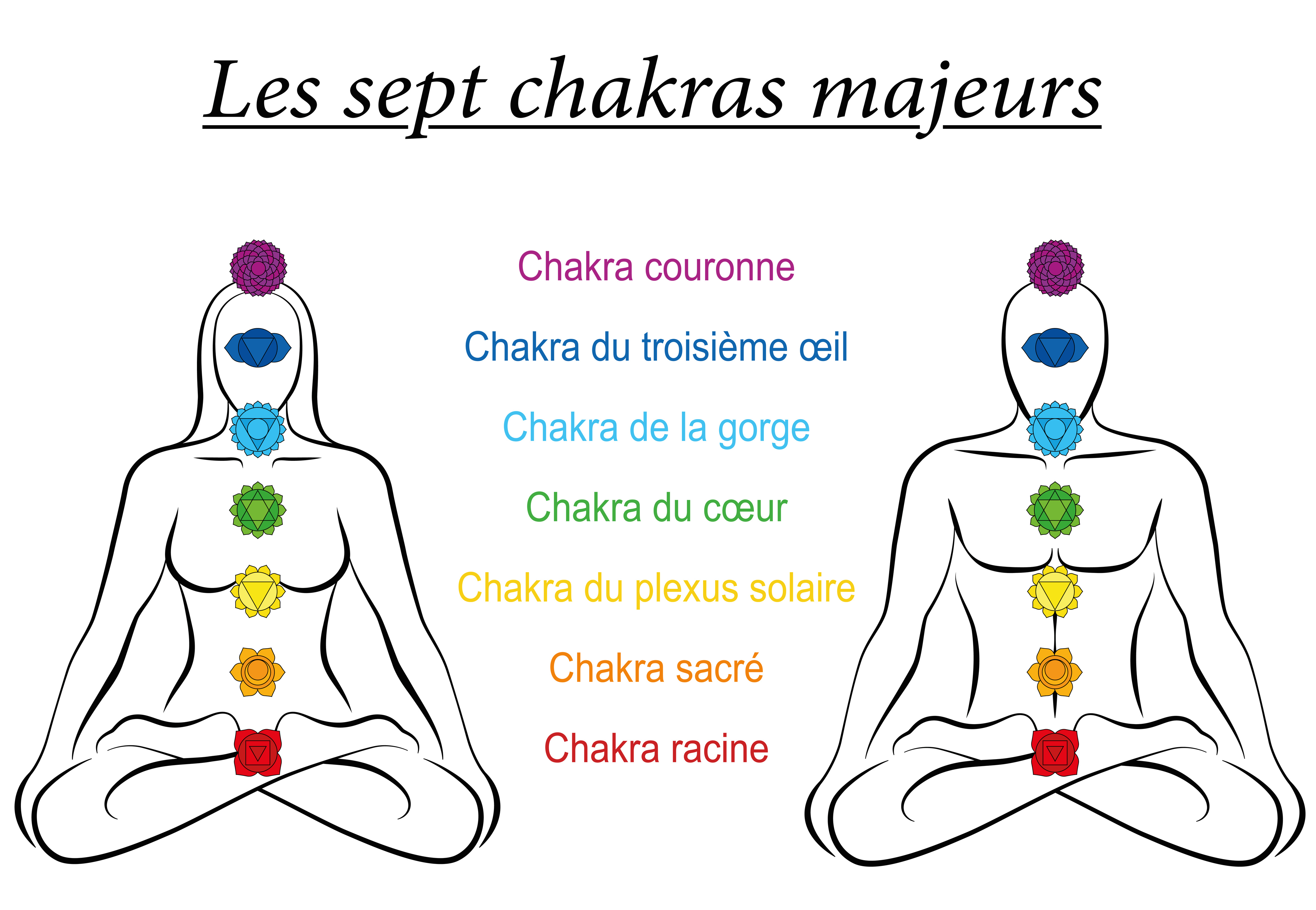
Sapphires, depending on their colour, help balance the different chakras. Refer to the colours associated with the chakras.
Care, cleansing and recharging of natural sapphires in different colours
From extraction to their new home, sapphires have not been able to be cleansed or recharged with the elements of nature such as earth, water and sun. Moreover, they have been in contact with all kinds of influences, both negative and positive.
So, as soon as the sapphire enters your home, it is essential to cleanse and recharge it. The following steps should be carried out for maintenance at least once a month or after a lithotherapy session.
Place your sapphire in a glass of spring water for 2 hours. Avoid contact with salt so as not to alter its colour. For a gentler cleansing, you can use white sage smudging, a flower of life or a Tibetan singing bowl.
Recharge your sapphire in the rays of the morning sun for 2 hours or place it in an amethyst geode or on a quartz cluster for 24 hours.