 Français
 Deutsch
 English
 Español
 Italiano
Blue Sapphire


Find all our Blue Sapphire jewellery
The Blue Sapphire Stone
Sapphire, from the Latin sapphirus, derived from the Greek sappheiros, means “blue”. In Hebrew, sappir translates as “the most beautiful thing”. However, it has other translations in other languages such as Hebrew, Chaldean or Sanskrit. In the latter language, sapphire is understood as “sacred for Saturn”. The origin of this name seems plausible, given that in Indian astrology, sapphire is the gemstone assigned to Saturn.
Blue sapphire is mentioned in many mythological and religious accounts. The Persians were convinced that the blue of the sky came from sapphire. In the Bible, God’s throne is a famously clear blue thanks to the presence of sapphires. In addition, sapphire is one of the twelve stones set in Aaron’s breastplate. It is also found in the foundations of Jerusalem.
The French form of sapphire dates back to the 12th century in one of the manuscripts of the monk and poet Philippe de Thaon, then later, during the Renaissance, in the dictionary of Jean Nicot, a French diplomat renowned for introducing tobacco to France.
In Antiquity, sapphire was associated with the Gods, Jupiter among the Romans, Zeus among the Greeks, Indra in India. However, the descriptions made by Theophrastus (371 BC - 288 BC) and Pliny the Elder (23 AD - 79 AD) suggest that it was more likely lapis lazuli. Nevertheless, rare engraved sapphires have been found during archaeological excavations. An Egyptian intaglio, depicting a princess or queen dating from the 2nd century BC, is kept at the National Library.
In the 4th century, the Franks and the Visigoths possessed a unique expertise in goldsmithing known as cloisonné. Artisans inlaid coloured stones into fine compartments using copper or gold. This process, also used in Merovingian and Carolingian art, was applied to the Teudéric reliquary casket, the so-called Saint Martin vase or Charlemagne’s ewer. All these magnificent creations are set with sapphires.
In the Middle Ages, sapphires adorned various objects and pieces of jewellery. Many vases and chests have been found decorated with gemstones such as garnets and sapphires. A sublime 135-carat sapphire is currently on display at the Natural History Museum. This is the Great Sapphire of Louis XIV.
The largest sapphire in the world is a black star sapphire from Queensland, Australia. A young boy brought it home and used it as a doorstop. His father, a miner, identified it as a gemstone and decided to sell it. Jeweller Harry Kazanjian was the first buyer for the sum of 18,000 dollars and cut this magnificent stone. Today, it is known as the Black Star of Queensland; it weighs 733 carats, nearly 150 g, and is estimated at 100 million dollars.
Like ruby, sapphire belongs to the corundum family and to the family of precious stones, on the same level as diamond or emerald. It has this incredible blue colour because of its iron and titanium content. Its hardness is 9 on the Mohs scale. Only diamond can scratch it, as it has a hardness of 10 on this same scale. Sapphire forms in small rivers running through mountains, then is extracted from deposits.
Raw Blue Sapphire Deposits
The main deposits are located in Sri Lanka, Burma, Thailand, etc.

Blue sapphire in lithotherapy
Its properties on the psychological level
Sapphire has a huge impact on the mind. It improves memory, strengthens concentration and develops intuition. It is recommended for students, especially during exam periods, and for people undergoing retraining. It encourages spiritual elevation and meditation.
It also stimulates creativity and inspiration. This fabulous blue mineral boosts imagination and is perfectly suited to all artists, writers, sculptors, etc.
It symbolises grounding, stability, solidity and faithfulness. As such, it is the stone of engagement. It helps overcome the difficulties and trials of life alone or as a couple. Wearing a sapphire strengthens courage and willpower in order to achieve one’s goals.
A stone of patience, tenacity and loyalty, sapphire is ideal for people who are too rushed or too stressed. Sapphire soothes anger, jealousy and resentment. It calms worries and regulates nervousness. At the same time, it fosters perseverance, self-confidence and assurance.
This stone is perfect for hyperactive people thanks to its calming action. It brings serenity and restores joy of life and enthusiasm. It releases buried fears and anxieties. It lifts blockages caused by childhood trauma.
Its physical benefits
Sapphire is a stone that promotes restful nights. It soothes a mind overwhelmed by racing thoughts. It brings restorative, high-quality sleep and keeps nightmares away. It helps combat intense states of sadness.
This mineral stimulates vitality and energy and creates the desire to do things, whether returning to physical activity, renovating one’s home, etc. It gives its wearer a sense of dynamism.
Sapphire helps the body’s fluids circulate properly. It acts as an overall tonic for good health and well-being.
Blue sapphire symbols in astrology
Sapphire is a stone with virtues and benefits that act on all zodiac natives. Sometimes, certain stones develop special affinities with specific astrological signs. This is the case for the following signs:

-
Gemini: symbol of communication, exchange and curiosity. This sign represents studies, the mind and adolescence. Wearing a sapphire calms its worries and anxiety and regulates nervousness. It gives it self-confidence and assurance. Highly spiritual, this sign is pleasant and charming. It is always on the move and often has anecdotes to tell. Its company is enjoyable and sought after. It gives the impression of retaining eternal youth. It hates routine and is extremely curious. It constantly needs to learn new things and behaves like an eternal student. This sign always moves forward and is focused on the future. It loves new technologies. It has great adaptability, whatever the situation. However, beneath a carefree exterior, it hides a great deal of anxiety. It masks this through irony. A lover of change, it enjoys travelling widely and discovering new places. In love, it is seductive, charming and full of humour. It likes to discover new conquests. It is very afraid of losing its freedom. However, it is a great romantic who dreams of true love. With the years, it becomes more mature and finally finds its other half;
-
Cancer: symbol of family, home and origins. This sign represents imagination, sensitivity and nostalgia. Wearing a sapphire brings it serenity, joy of life and enthusiasm. This sign tends to be constantly worried, fragile and in need of gentleness around it. It must be reassured constantly. It is highly sensitive and very afraid of being abandoned. When it feels safe, it shows great creativity. This sign has a lot of imagination and enjoys creating. This allows it to escape and free its mind. It also loves taking care of others and knows how to become indispensable. Sometimes it can be unpleasant and aggressive; this is its way of hiding its shyness and anxiety. It can easily become a workaholic and takes on the responsibilities entrusted to it. It can be very resentful and does not forgive easily. It has a narcissistic personality and then becomes arrogant. In love, it is gentle, sentimental and affectionate. It often belongs to those known as emotionally dependent people. It is possessive and jealous. Then, when it feels confident, it becomes an excellent partner;
-
Sagittarius: symbol of philosophy, religion and higher education. This sign represents intellectual development, foreign lands and optimism. Wearing a sapphire helps it overcome life’s difficulties and strengthens the courage and willpower to achieve its goals. This sign is cheerful, enthusiastic and lucky. It has a great deal of positivity and independence. It loves travelling the world and cannot work in a profession that confines it to an office. It hates routine and tends to juggle many activities. However, it does not finish them all. It can sometimes be hypocritical, especially if it may serve its interests in the workplace. Warm-hearted, it is always at 100% and constantly on the move. It does not hesitate to give advice, but on the other hand, it hates receiving it. Tolerant, it likes helping its friends and is often very generous. It has a dual personality that makes it very unstable in love and friendship. In love, it is idealistic, seductive and charming. It enjoys sensual experiences while still seeking true love. It can be two-faced and paradoxical. As it grows older, it finds serenity and can finally build a lasting relationship.
Blue sapphire and chakras
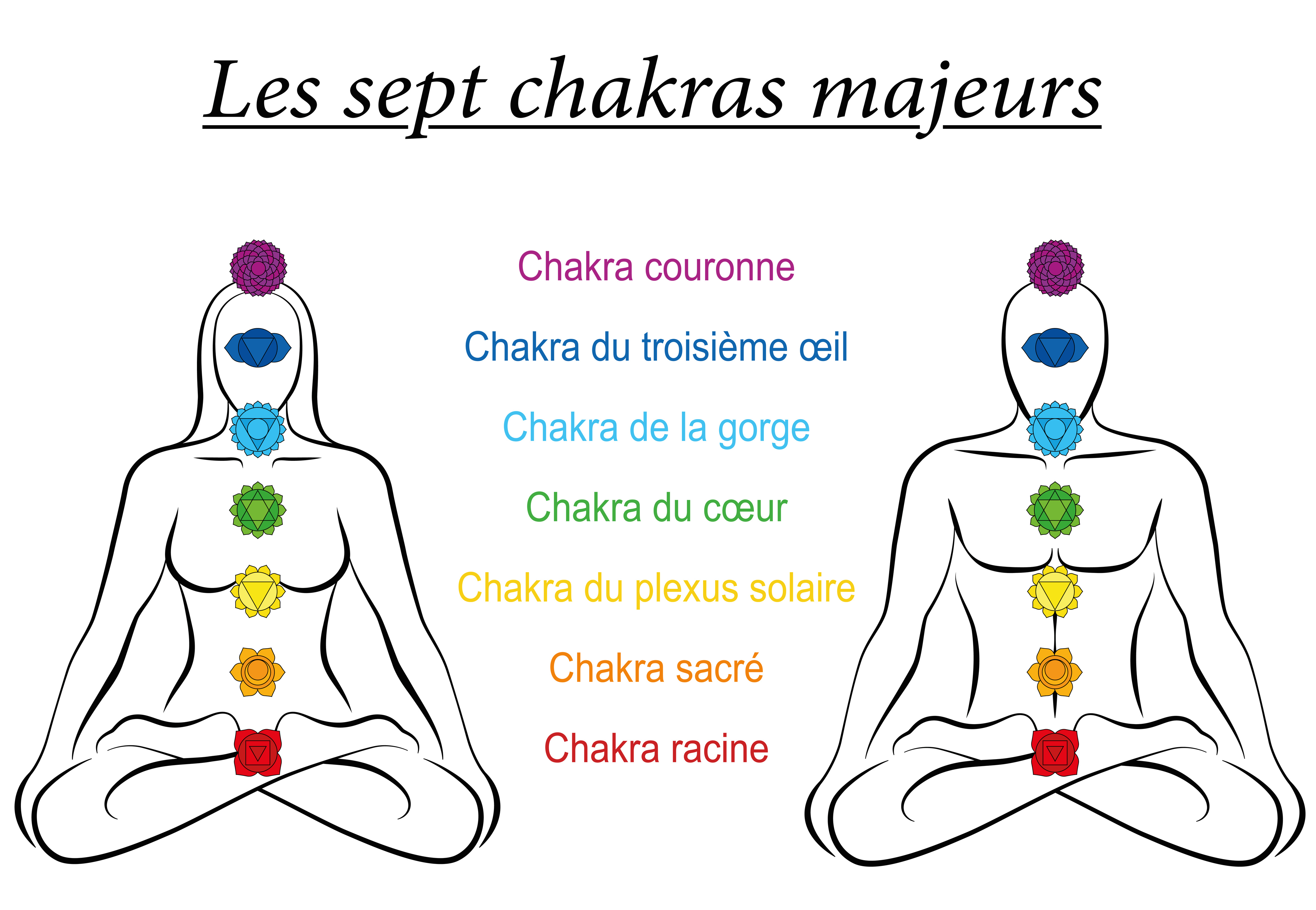
Sapphire is a mineral that contributes to balancing the throat chakra. It is located on the seventh cervical vertebra. Its symbol is a blue lotus with 24 petals. The throat chakra gives the person the ability to say what they feel.
When the throat chakra is balanced and harmonised, it allows the person to express themselves freely. Their voice is clear and harmonious, and the message gets across well. The person listens to others with their heart. They are combative, sincere, zen and very strong. They can be creative and channel their emotions into their creations.
When the throat chakra is unbalanced and too open, it creates a great lack of confidence in the person. They have very little self-assurance. They draw attention with vulgar language and ironic remarks. They are manipulative, aggressive and mean. They often resort to bad faith.
When the throat chakra is unbalanced and blocked, it causes the person’s emotions to be repressed. They have difficulty expressing themselves. Their speech is cold, inaudible and sometimes crude. The person tends to stammer; they are stressed, nervous and hugely lacking in self-confidence.
Sapphire care, cleansing and recharging
From the moment it is extracted until it reaches your home, your sapphire could not be cleansed or recharged with the elements of nature such as the sun, water and earth. This stone has been handled many times and has very likely come into contact with negative energies.
So, as soon as it arrives in your home, it is essential to cleanse and recharge it. The following steps should be repeated as part of regular care at least once a month and after any use in lithotherapy.
Submerge your sapphire in a clear glass filled with spring water for 2 hours. Gently dry your sapphire using a soft cloth. For a gentler cleansing, use white sage fumigation, a flower of life or a Tibetan singing bowl.
Recharge your sapphire by placing it in the morning sunlight for 2 hours. You can also place it in an amethyst geode or on a quartz cluster for 24 hours.