 Français
 Deutsch
 English
 Español
 Italiano
Yellow Opal


Discover our rough Yellow Opals and our Yellow Opal bracelets
Yellow Opal
An opal is composed of hydrated silica, with traces of uranium, magnesium, calcium, aluminium, iron, arsenic, sodium and potassium. It also has a high water content that can reach up to 20% depending on the variety.
Opal forms through alternating periods of wet and dry conditions. Rainwater carrying various elements seeps into the substrate. Then during dry periods, evaporation allows the upper layers of chalcedony and quartz to form.
The etymology of the word opal comes from the Sanskrit upala meaning precious stone. It should be noted that opal is the only gem that is splendid without any prior cutting.
For decades, the origin of the magnificent colours of precious opals remained unexplained until 1965, when the scanning electron microscope appeared. Scientists were then able to reveal the structure of opals. Made up of spheres of varying sizes, opals have a milky appearance; these are common opals. In precious opals, the spheres are all the same size and light then interferes, producing this incredible multi-coloured effect.
It should be emphasised that water plays a major role in the appearance and integrity of opal. It is not uncommon to see rough opals displayed to the public in containers filled with water.
Opal has a hardness of 5.5 to 6 on the Mohs scale. By comparison, diamond has the highest hardness, 10 on the same scale.
Stories and legends
According to Greek mythology, opal was associated with Zeus’s tears of joy after his victory over the Titans. When his tears touched the ground, they turned into opals. This legend mainly concerns blue opal, a common opal with various shades of blue. It was even believed that opal granted its wearer powers of clairvoyance and divination.
Among the Romans, opal was a stone of hope. Pliny the Elder tells the story of Nonius, a senator deposed by Mark Antony (83–30 BC), because he would not give him an opal. Mark Antony absolutely wanted to give it to Cleopatra. Nonius preferred to flee with only his precious opal and his collection of stones. According to an 18th-century legend, Nonius’s opal was found in the ruins of Alexandria.
In antiquity, opal was considered a precious stone. In the Middle Ages, blonde women wore opal necklaces to preserve the colour of their hair. Opal was also called “ophtalmios”, which literally translates as “eye stone”. Indeed, it was believed to have protective virtues for the eyes.
Many writers describe this stone by comparing it to fireworks, volcanoes, galaxies, and so on. Bedouins explained that this stone fell during thunderstorms, trapping lightning inside it.
In India, a legend tells that the Goddess of the rainbow was so beautiful that she was constantly courted, even harassed. She then chose to turn into opal.
However, opal was considered a stone of bad luck. A myth stemming from a novel by Sir Walter Scott entitled Anne of Geierstein or The Maiden of the Mist, published in 1829, harmed the stone’s reputation. Indeed, the heroine Lady Hermione died after her opal was sprinkled with holy water. She was accused of witchcraft. In a few months, the opal market fell by 50%.
But a more reasonable explanation emerged: lapidaries and setters in the 19th century had difficulty working this stone without damaging it. The frequent breakage associated with this stone gave opal a bad-luck connotation.
The main opal deposits are in Australia, the United States, Spain, Mexico, and so on.
The properties of yellow opal
Yellow opal has many characteristics identical to those of other opals. However, these properties differ because of its luminous colour. Composed mainly of hydrated silica and inclusions of various other metals, yellow opal is extremely hydrated, as it contains around 20% water.
Its colour is due to the significant presence of iron. It does not show fire or, in other words, iridescence. The transparency of yellow opal ranges from translucent to opaque. Its lustre can be vitreous, dull, or sometimes pearly. The hardness of opal is the same as that of all opals, namely 5.5 to 6 on the Mohs scale.
Yellow opal is one of the common opals. Traces of it can be found among the Greeks, who attributed to it the gift of mediumship. Legend says that the future could be read in a common opal. Among the Romans, yellow opal was an indicator of social status. Owning an opal showed a certain rank and recognised power in society. In the Middle Ages and up to the end of the Renaissance in Europe, yellow opal was a lucky stone and a stone of good health.
Rough yellow opal deposits
The main deposits of yellow opal are in Mexico.

The virtues of yellow opal in lithotherapy
Its benefits on the mental and emotional level
Yellow opal brings wholeness and balance to the mind. It keeps negative energies and emotional excesses at bay. This balance helps overcome blocks linked to the past and move forward in life. It encourages projects and their completion.
The person gains confidence in themselves and in others. They open up to feelings such as compassion and empathy. They are no longer focused only on themselves and show a genuine interest in others.
This luminous stone brings joy and good cheer. It dispels sadness and makes its wearer decidedly optimistic and happy. This cheerful and enthusiastic nature is contagious and passes from one person to another.
Yellow opal radiates and fights anxiety, worry and excessive shyness. It gives assurance and self-confidence. The person doubts themselves much less. They are less demanding of themselves and those around them. They become more relaxed and much less stressed.
Yellow opal is renowned for combating the pride of its wearer. It brings humility and loyalty by overcoming the harm caused by an oversized ego. The person remains humble whatever their area of success. This stone stimulates inner energy and enables its wearer to invest in new experiences.
Its properties on the physical level
This yellow stone gives vitality to its wearer. It diffuses energy that helps relieve stress. It effectively combats tension. A stone of optimism and joy, it provides beautiful energy.
The wearer wants to channel this energy into physical activity. Physical activity is excellent for the body in general.
Moreover, yellow opal is a water stone. It encourages its wearer to drink the recommended amount of water per day, namely 1.5 litres outside meals. This water intake is excellent for the proper functioning of the solar plexus chakra. It promotes elimination.
This stone promotes good circulation of bodily fluids.
Yellow opal and associated zodiac signs
Yellow opal is a revitalising stone, full of positive energy and benefits. It works on all zodiac signs. It seems that some signs are even more receptive to this beautiful energy. This is the case for the following zodiac signs:

-
Aries: symbol of action, dynamism and ardour. This sign represents boldness, energy and impulsiveness. Wearing yellow opal strengthens its optimism and joy. This sign can sometimes seem immature. In fact, it tends to get angry if things do not go as planned. It can even sulk. It is also very spendthrift, so it needs to succeed professionally. By nature a leader, it likes to be in charge, whether of a work team or the people around it. It is a go-getter, bold and unafraid to take on challenges. It is highly competitive and regularly comes first. Luck often works in its favour. It enjoys physical or verbal confrontation. It never lacks arguments. Very frank, it can be hurtful, as it seriously lacks diplomacy. It likes to make money because it likes to spend. In love, it has a real soft heart. It falls in love quickly and very often. It enjoys discovering and conquering new prey. It hates routine and its partner will need imagination to stimulate it;
-
Aquarius: symbol of modernity, friendship and freedom. This sign represents the future, science and new technologies. Wearing yellow opal gives it assurance and self-confidence. This sign dreams of a fairer world where everyone would be on an equal footing. It wants everyone to have access to knowledge. Its wishes border on utopia. It values freedom and cannot work in an office. It needs to travel and discover new places. It often lives in its dreams and is very creative. It has remarkable instinct and intuition. Highly drawn to novelty, it loves all the gadgets of new technologies. The Internet is its friend. It has many ideas for revolutionising the world around it, but its projects do not often come to fruition. However, it can be very intolerant and rarely questions itself. In love, it is guarded and shows little passion. It prefers to maintain a relationship based on loving friendship. It cares too much about its freedom, so it will choose someone independent who will not hold it back;
-
Pisces: symbol of infinity, religion and faith. This sign represents clairvoyance, intuition and mystery. Wearing yellow opal allows it to develop empathy and compassion towards others. It is often endowed with artistic gifts, especially in music. It is very sensitive and finds it hard to tolerate criticism. It is incredibly extravagant, especially in its clothes. Sometimes it suffers from anxiety attacks and then retreats to bed. It is not suited to positions of responsibility. Idealistic and naive, it is very easily influenced and may even fall into addictions. It likes to live at night and can quickly become marginalised. Very generous, it enjoys sharing with those around it. It has a great deal of intuition and an incredible flair for striking good deals. In love, this sign is paradoxical. It dreams of true love and yet loves multiplying conquests. It enjoys all kinds of sexual experiences. It can behave like a libertine while dreaming of marriage. With the years, it calms down and may start a family.
Yellow opal and chakras
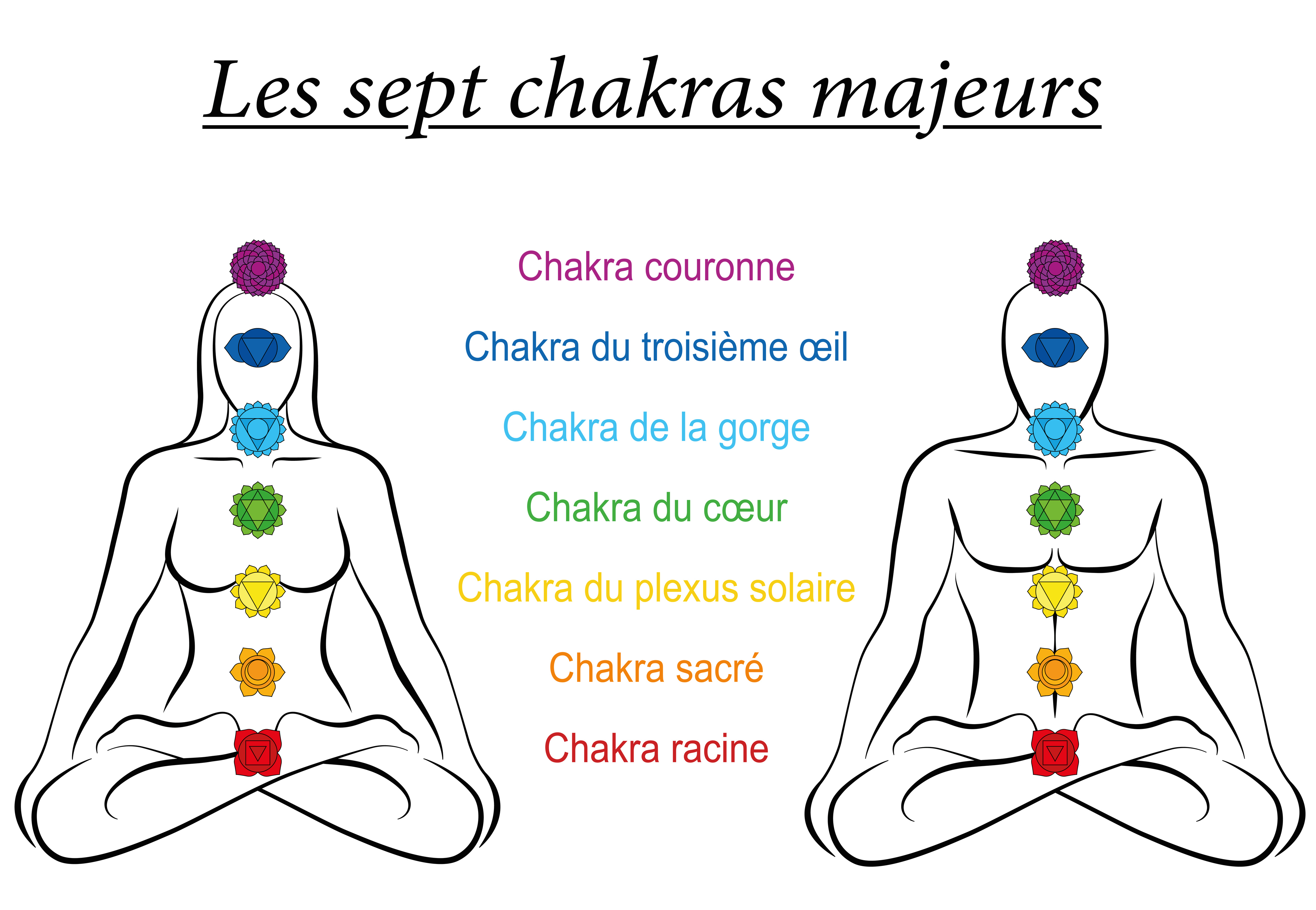
Yellow opal helps balance the solar plexus chakra. This chakra is represented by a 10-petalled yellow lotus. It is located slightly above the navel at the front and at the level of the D11 and D12 dorsal vertebrae. It brings balance to thoughts and emotions. This balanced chakra generates self-confidence and plenty of willpower to achieve one’s goals. The person is joyful, zen and spontaneous. They have a great deal of altruism, respect themselves and respect others enormously.
An imbalanced solar plexus chakra, when too open, develops feelings of pride and vanity. The person is rigid, harsh and hateful. They are obsessed with work, diets and food. They are authoritarian, never satisfied and very critical. Others matter little, as long as everyone does what they want. They have neither compassion nor understanding towards others.
An imbalanced, closed solar plexus chakra leads to a lack of self-confidence and excessive shyness. The person has difficulty saying no and is often taken advantage of. They do not know how to value themselves and cannot find their place in society. They are nervous, stressed and suspicious. They are terribly afraid of other people’s judgement and do everything they can to go unnoticed. They have no personality.
Care, cleansing and recharging of yellow opal
From the moment it is extracted until it arrives in your home, your yellow opal has undergone many influences. It can no longer cleanse or recharge itself with the elements around it, such as water, earth or sunlight. It must absolutely be cleansed and recharged as soon as you buy it. Indeed, it may even have lost some of its effectiveness. The following steps should also be carried out for maintenance at least once a month or after a lithotherapy session.
Soak your yellow opal in a glass of spring water for 3 hours. Never put your opal in direct contact with salt. Dry it gently with a soft cloth and remove any remaining impurities. Alternatively, you can also cleanse it using white sage smudging or in a Tibetan singing bowl.
Place your yellow opal in moonlight during the full moon. Never expose your opal to sunlight. This could cause cracking. You can also place it in an amethyst geode or on a quartz cluster for 24 hours.