 Français
 Deutsch
 English
 Español
 Italiano
Magnesite

Discover our Magnesite stones
Magnesite
In 1808, magnesite was identified by the German mathematician Dietrich Ludwig Gustav Karsten (1768 - 1810). It was given this name because of its magnesium-rich composition and its place of discovery, namely Magnesia in Greece.
Earlier, in 1785, the name magnesite had been coined by Jean-Claude Delamétherie (1743 - 1817), a French naturalist, geologist and mineralogist. But at that time, this name covered several magnesium minerals. It was indeed Karsten who narrowed this name down to this magnesium carbonate mineral.
Magnesite is one of those stones whose origins remain vague. Today, no myth, no legend and no historical record mention this mineral. Its trace only appears at the beginning of the 19th century.
Magnesite belongs to the large family of minerals, particularly calcites. It is mainly composed of magnesium carbonate, may contain inclusions and the presence of organic compounds. These crystal inclusions, such as manganese, cobalt, iron, calcium and nickel, give it its colour.
Thus, magnesite can be colourless or translucent, with a vitreous or dull lustre. It comes in various shades, from white to brown, from grey to yellow and more rarely green. It can easily be mistaken for howlite, which has similar properties. Its appearance is porous, generally white with grey streaks.
Magnesite has a trigonal and rhombohedral crystal system. Its hardness is 4 on the Mohs scale. By comparison, diamond, which has the highest hardness, is 10 on this same scale. Magnesite is therefore a fragile stone.
Today, the pharmaceutical industry still uses magnesite as a food additive, anti-caking agent or pH regulator. When completely burned, it is used in the manufacture of refractory bricks or magnesia cement. It can also be applied to the hands to prevent climbers or gymnasts from slipping: it absorbs perspiration.
It is increasingly used in the making of jewellery and various objects in lithotherapy. Magnesite is mainly found in sedimentary rocks. This porous mineral is relatively rare and takes hundreds of thousands of years to form. This mineral is the result of the alteration of magnesium-rich rocks by carbonated waters.
Magnesite deposits
The main deposits are located in Brazil, South Africa and Europe (France and Germany).

The virtues of magnesite in lithotherapy
The powers of magnesite on the psychological level
Magnesite allows for better emotional management. It helps stabilise feelings. It helps clear irrational fears, childhood trauma and anxiety. It makes it easier to understand certain reactions.
This stone effectively fights stress, calms overly agitated thoughts and brings soothing relief and serenity. It is particularly recommended for very nervous and very shy people. It fosters confidence and self-esteem.
Magnesite is renowned for slowing down thoughts, stimulating concentration and memory. It is highly recommended for students, people in training or certain professionals. Thoughts then become structured, orderly and clear.
This is a stone that helps fight states of deep sadness. It diffuses a gentle, soothing and warm energy. It restores the desire of people who no longer have any willpower. Thus, it makes it possible to set life goals and achieve them. It helps overcome life's difficulties.
This stone is recommended during difficult times, such as separation, the loss of a loved one or sudden dismissal. It gives the courage to face them and the strength to overcome the pain they cause.
The properties of magnesite on the physical level
Magnesite promotes the absorption of magnesium. It helps fight fatigue. Indeed, a lack of magnesium causes a general state of tiredness. This results in poor-quality sleep and significant stress. Magnesium intake provides restorative sleep and restores vitality.
Magnesite is known for promoting elimination.
Magnesite and the associated astrological signs
Magnesite has many virtues for all zodiac natives. However, some signs have a stronger affinity with this stone. These are the following signs:

-
Gemini : symbol of communication, exchange and adolescence. This sign represents movement, curiosity and siblings. Wearing magnesite helps soothe it and calm its overly agitated thoughts. The company of this sign is sought after because it is pleasant, charming and witty. It is naturally curious and always moves forward. It is always on the move and often needs stimulation. It is a perpetual student. However, it tends to develop many projects that never come to fruition. It has enormous talent and skills in many fields. Beneath its light and superficial appearance, it hides its anxiety and worries. Thus, it always seems happy and its company is highly appreciated. In love, it does not seek a stable and serious relationship. It is more into no-strings-attached relationships. It values freedom enormously. However, if it meets its soulmate, it calms down and starts a family;
-
Cancer : symbol of family, imagination and sensitivity. This sign represents origins, nostalgia and melancholy. Wearing magnesite brings it confidence and self-assurance. It also helps it overcome its shyness. This sign is often anxious and fragile. It needs reassurance and to be surrounded by its family, where it feels safe. It is creative and needs gentleness to develop its imagination. It is very altruistic and likes to take care of others. It knows how to make itself indispensable and thus overcomes its fear of abandonment. Highly sensitive, it is very cautious and does not feel tempted by adventure. It is resentful, does not forgive easily and can sulk for a long time. It is up to the other person to make the first move. It works enormously hard and is highly loyal. In love, it is romantic and sentimental. It seeks a partner who will reassure and protect it. It is tender and attentive. But it can be extremely jealous and very possessive. Be careful, as it can be very violent in order to protect its family.
-
Virgo : symbol of analysis, method and perfection. This sign represents medicine, logic and cleanliness. Wearing magnesite soothes its worries and anxiety. This sign is very demanding of itself and others. It is critical and detail-oriented. Very organised, this sign always aims for perfection. It is very discreet and often highly self-conscious. It then withdraws and takes a back seat. It is a neat freak obsessed with household chores. Very helpful, it puts its skills at the service of others. It works a great deal and may sacrifice itself for those close to it. It is very kind, but care should be taken not to offend it, as it is highly sensitive. In love, it does not easily give its trust. It hates public displays of affection. It is very modest and not very sentimental. If it chooses to marry or enter into a civil partnership, it is for practical reasons and not for love.
Magnesite and chakras
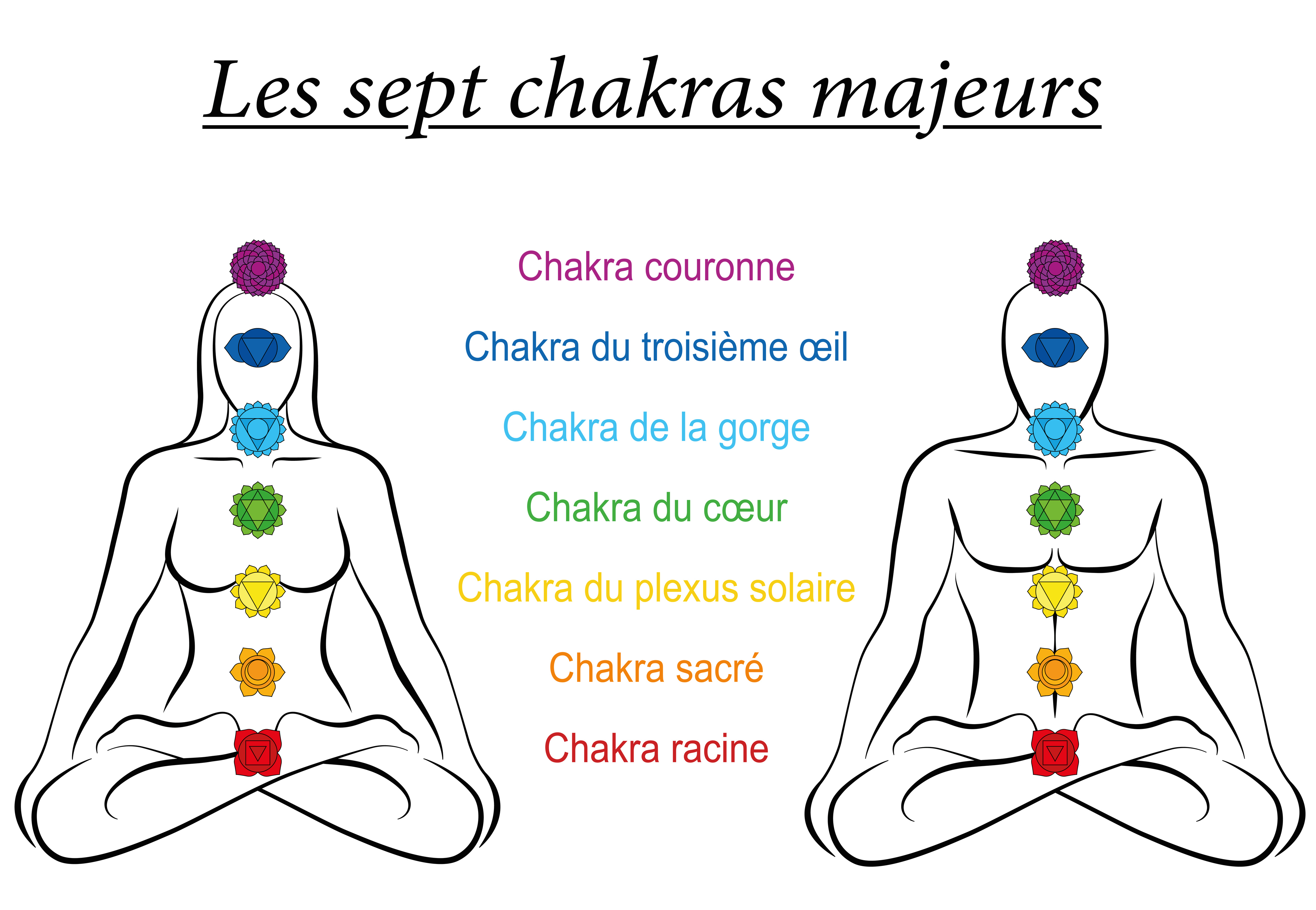
Magnesite helps balance the sacral chakra. It is located on the abdomen, about 5 cm below the navel. A balanced sacral chakra brings peace and harmony. The person can be self-sufficient and has good self-esteem. This allows them to bounce back after all kinds of difficulties. They have a fulfilling sex life and feel at ease with their body. They show great altruism and trust in themselves and others.
An imbalanced chakra that is too open causes physical problems, especially gynaecological disorders. The person is too greedy and has an unrestrained sex life. They are manipulative and immature.
An imbalanced or blocked chakra stems from an overly strict upbringing. Sexuality is taboo and the person develops many insecurities. They lack self-confidence and trust in others. They have lost their zest for life.
Care, cleansing and recharging of magnesite
Since being extracted, your magnesite has not been able to cleanse or recharge itself using the elements around it (water, earth, air). In addition, it has been in contact with various influences, negative or positive. It may even have lost some of its effectiveness. It must therefore be cleansed and recharged. The following operations should be carried out for maintenance at least once a month or after a lithotherapy session.
You can cleanse it using white sage smudging or with a Tibetan singing bowl.
WARNING: Magnesite must never come into contact with water!
Recharge it in the morning sunlight for about 2 hours. You can also place it on a quartz cluster or on an amethyst geode for 24 hours.
Camille Ambiance Nature: Magnesite wholesaler for professionals
Camille Ambiance Nature, wholesaler of natural stones, is your preferred partner for professional purchase of Magnesite, a soothing and purifying stone sought after for its aesthetic and energetic qualities. We offer professionals exclusive access to a wide selection of top-quality natural stones, including Magnesite, selected for its purity and unique vibrational energy. Our commitment to excellence ensures that every stone offered meets the highest standards, designed to enhance your commercial offering. As partners to retailers, therapists and lithotherapy specialists, we guarantee an optimal purchasing experience. Choose Camille Ambiance Nature for a professional and rewarding collaboration.