 Français
 Deutsch
 English
 Español
 Italiano
Lepidolite


Discover all our Lepidolite jewellery
Lepidolite
Stones receive their names based on their colour, the place where they were discovered, the legends associated with them or even the name of the person who discovered them.
Lepidolite comes from the Greek word “lepis”, meaning “scale”, in reference to the structure of the stone. This stone was first called “lilahite” by the Austrian naturalist geologist Nicolaus Von Neuhaus (1723 - 1798) because of its lilac colour.
It was then described in 1792 by the German chemist Martin Heinrich Klaproth (1743 - 1817), who gave it its final name, Lepidolite. It is a rare stone whose friability is due to its light lithium fragments. It is also composed of silicon, aluminium and manganese. It has this flaky appearance due to the presence of lithium. Manganese gives it its beautiful lilac colour.
However, lepidolite is a mineral that can be colourless or white. But it can be found in many colours, more rarely pale yellow, green or red, or more commonly pink, purple or violet. It appears in the form of tabular, prismatic or pseudo-hexagonal crystals.
This mineral forms only in geochemical environments where there are strong concentrations of lithium. Lepidolite is therefore a rare mineral, as it requires a very specific geochemical setting. The lithium ion is the smallest and one of the last ions to form during magma crystallisation in the subsurface.
The highly concentrated presence of lithium allows the formation of minerals such as spodumene, petalite, tourmaline and lepidolite. The latter can sometimes be confused with muscovite. However, the colours set them apart, as muscovite does not have lepidolite’s beautiful colours.
Lithium is a highly valued chemical element, especially in electrochemistry, for the manufacture of rechargeable batteries and other mobile phone components. This means that lepidolite is commonly used.
Lepidolite is a mineral most often pinkish-purple, found near hydrothermal veins where it crystallises. It has a hardness of 3 on the Mohs scale, which makes it a very soft mineral. For reference, diamond has the highest hardness, at 10 on the Mohs scale. Lepidolite belongs to the large mica family.
There are no particular legends or myths about this stone with powerful virtues, especially in lithotherapy.
Raw lepidolite deposits
The main deposits are located in Brazil, Madagascar, India, the United States and Zimbabwe.

Lepidolite and its virtues in lithotherapy
Its benefits on a psychological level
Lepidolite is renowned for the well-being it brings. It is a stone of peace and serenity. It effectively fights negative thoughts. It is a true shield against sadness and anxiety. It keeps dark thoughts at bay and promotes quality sleep.
This violet mineral stimulates concentration, imagination and creativity. It sharpens analytical abilities and helps make the right decisions in times of doubt. It makes it possible to decide clearly and without regret. It gives the ability to reach set goals.
Lepidolite contains lithium. This trace element stabilises people whose thoughts are too agitated. This stone brings inner peace and self-confidence. It removes blocks linked to childhood trauma. It is a liberating stone.
This stone stabilises mood and suits people who tend to change their minds often. Its soothing side helps fight certain behavioural disorders, including agoraphobia. Holding this stone in your hands or wearing it promotes self-confidence.
Like many purple minerals, lepidolite develops spirituality and encourages meditation. It promotes introspection and allows you to connect with your inner self.
Its benefits on a physical level
With its powerful soothing virtues, lepidolite promotes restful, high-quality sleep. As a result, it restores vitality and energy to its wearer. It encourages a return to physical activity, which is excellent for the body.
Lepidolite is known for absorbing electromagnetic waves from mobile phones, computers, etc.
Lepidolite and the associated zodiac signs
Lepidolite has powerful virtues that act on all zodiac natives. However, certain astrological signs feel a special affinity with this purple stone. This is the case for the following signs:

-
Libra: symbol of justice, peace and harmony. This sign represents elegance, partnerships and marriage. Wearing lepidolite gives it confidence and self-assurance. This sign hates conflict and proves to be an excellent mediator. It likes to thrive in social circles. It loves dancing and has a natural grace. On the other hand, this sign cannot stand vulgarity or dirt. It dreams of a fairer and more equitable world. It loves being surrounded and admired. Moreover, it is known for its indecision; it has great difficulty choosing one side over the other. This sign’s company is often sought after, as it is pleasant. It can be very generous. It has a lot of kindness and compassion. In love, this sign shows great romanticism. It is pro-marriage and quickly looks for a partner. It does everything to make its relationship work well;
-
Sagittarius: symbol of spiritual evolution, religion and philosophy. This sign represents esotericism, higher education and foreign countries. Wearing lepidolite sharpens analytical abilities and makes it possible to make the right decisions. This sign is a fan of long-distance travel. It loves discovering new places and travelling the world. It has an extremely persuasive side and gets those around it to follow. It is said to naturally bring people together. It is very optimistic and very lucky. Often enthusiastic, it multiplies projects, but rarely completes them. It hates routine. Very generous, it nevertheless tends to be hypocritical. It is very ambitious and does everything to achieve its goal of professional success. In love, it idealises its partner. It likes to charm and conquer. It multiplies conquests while dreaming of true love. It is very family-oriented and loves the idea of sharing its life with someone who will follow it on its travels;
-
Capricorn: symbol of ambition, solitude and maturity. This sign represents perseverance, patience and organisation. Wearing lepidolite frees it from anxiety and worry. This sign is known for its hypersensitivity and sense of duty. Very early on, it gives up games to focus on what it really wants in life. It does not really open up and has a lot of difficulty trusting. It likes solitude and has very few friends in its circle. It hides its anxiety behind a rigid mindset and can sometimes seem very harsh. It achieves professional success because it is a hard worker who does not count the hours. It is organised, serious and helpful. You can count on it. In love, it is shy and self-conscious. It has a very hard time trusting. It does not know how to let go and is always in self-control. When it finds its soulmate, it proves to be loyal and opens up a little more. It can then start a family.
Lepidolite: a stone of protection
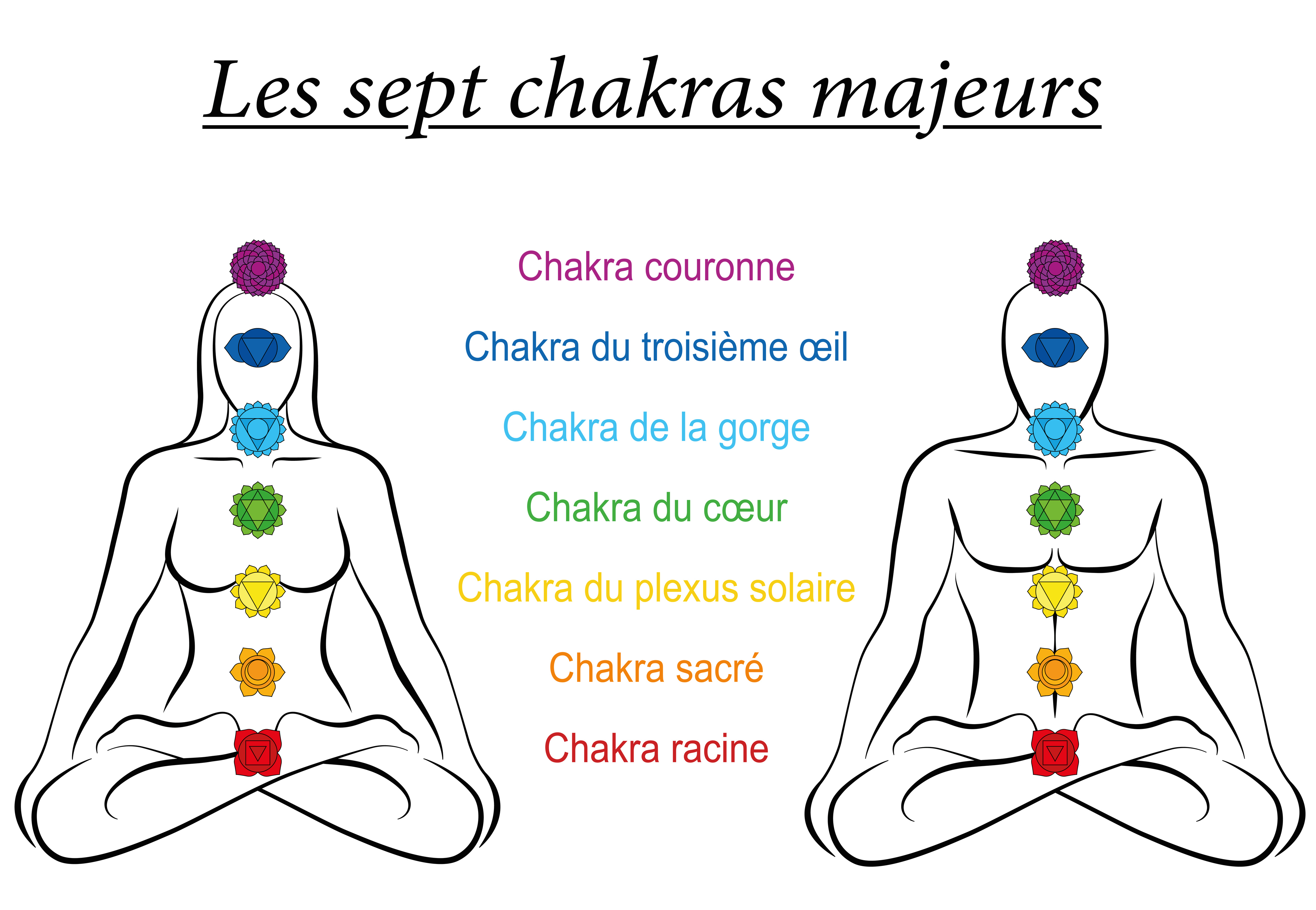
Lepidolite is a perfect stone to help balance the heart chakra. It is located at the sternum at the front and between the two shoulder blades at the back. A balanced heart chakra leads to self-acceptance and acceptance of others. It brings compassion, empathy and understanding. It is detached from material possessions and has a beautiful zest for life.
An imbalanced heart chakra, too open, gives rise to selfish behaviour. The person is falsely helpful, as they always expect something in return. They show a great deal of selfishness. They become critical, jealous, possessive and demanding.
A blocked heart chakra is completely closed off to others. It is the source of hatred, resentment and intolerance. The person sinks into loneliness and clings too strongly to the people still around them.
Purification and cleansing of lepidolite
From the moment it is extracted until it reaches your home, your lepidolite has encountered many influences. Separated from its natural environment, it can no longer cleanse or recharge itself. As soon as it arrives, you will therefore need to cleanse and recharge your stone to restore all of its positive energy. The following steps should be carried out as maintenance at least once a month.
Quickly run your stone under running water and dry it gently with a soft cloth. You can also cleanse it using the white sage fumigation technique or by placing it in a Tibetan singing bowl. It is also possible to bury it in the ground for a week.
Recharge it under the rays of the full moon for one night. You can also place it on a quartz cluster or on an amethyst geode for 24 hours.