 Français
 Deutsch
 English
 Español
 Italiano
Nephrite Jade


Discover our Nephrite Jade stones and products
Nephrite Jade
Jade is not a precious stone, but it has been adored, used and carved by many civilizations for about eight millennia.
For many years, jade was considered a single stone. However, in 1863, Alexis Damour (1808-1902), a French mineralogist, identified three types of minerals under the name jade and distinguished them from one another. These three minerals have very distinct characteristics.
The first of these minerals is jadeite. It belongs to the silicate family and more specifically to the pyroxene group (minerals from the inosilicate group, components of igneous and metamorphic rocks). It is the most precious, densest and rarest jade.
As a rule, its colour is white or grey. It has rather a transparent appearance. Its shades and opacity vary according to the inclusions it contains. The most common colour is green, more or less dark. It varies according to its titanium, manganese or chromium content. However, jadeite can also be pink, orange or purple. It has the highest hardness of the jades, as it ranks between 6 and 7 on the Mohs scale.
The second of these minerals is nephrite. Nephrite is found in greater quantities than jadeite. It is mainly composed of basic magnesium and calcium silicate with the presence of ferric iron. Nephrite can be translucent, white or very slightly yellow, opaque, brown or grey through to green, and display every shade of green.
More precisely, nephrite is a rock made up of amphibole (an iron and magnesium silicate) that is green, black or brown, or actinolite (an iron-magnesium silicate mineral from the silicate family). It has a hardness of 6 to 6.5 on the Mohs scale. It is less hard than jadeite, but it is still suitable for making tools, jewellery or decorative objects.
The third of these minerals is kosmochlor, the rarest of the jades. It has a composition close to jadeite and belongs to the silicate family and the pyroxene group. Depending on its impurity content and their nature, it has an emerald green hue of varying intensity. It may contain traces of titanium, aluminium, iron, manganese, calcium, potassium and phosphorus.
Kosmochlor comes from the place where a meteorite fell in Toluca, Mexico. This jade comes from space. Its name comes from the German "kosmische", meaning cosmic. "Chlor" comes from the Greek "khlôros", which refers to the colour green.
It was the Portuguese who brought back jade at the end of the 15th century. They had settled in Canton, China. This mineral was then called "piedra de ijada", meaning stone of the flank. This name illustrates the healing power of this stone for kidney pain, or nephritic pain.
In certain Latin texts, the name lapis nephreticus is used to refer to jade. The French discovered this stone in the 17th century and called it "éjade". Later, the "e" disappeared and the mineral became jade.
Jade objects dating back around 5,000 years have been found. Jade then became a sacred stone during Chinese prehistory. Deceased members of the elite were buried with jade. Jade represented absolute power, and Chinese emperors carried a jade sceptre during important ceremonies.
The Greeks had jade from birth to death. They also used it to soothe and heal their wounds. In New Zealand, the Māori made tools, weapons and jewellery from jade.
Deposits
The main jade deposits are located in Canada, Thailand, China, Russia and the United States.

The virtues of nephrite jade in lithotherapy
Its benefits on the mental level
Nephrite jade is a stone of balance and energy. It balances our emotions by helping us free ourselves from anxieties buried deep within. This brings soothing relief, calm and a feeling of lightness.
Indeed, it inspires confidence and a certain kindness towards oneself. It helps to let go of accumulated trauma and makes room for the positive emotions around us. It helps to find inner peace. Once the mind is freed, tranquillity sets in.
Nephrite jade is strongly recommended for people who are weakened, too nervous and easily exhausted. It is an energising stone that restores vitality. It frees the mind from guilt and helps distance us from the judgement of others. It brings wisdom and makes it easier to open up to others without preconceptions.
This mineral improves the body's stamina and radiates serenity. It is ideal for meditation and encourages introspection. Nephrite jade is said to be a stone of honesty towards oneself and towards others. It helps you know yourself better and achieve a deeper understanding of who you are.
In the event of a breakup or the loss of a loved one, wearing nephrite jade gives you the strength to overcome emotional wounds and suffering. It stabilises emotions and eases pain. Nephrite jade helps you move forward after difficult trials.
Its benefits on the physical level
Nephrite jade is known for promoting the proper functioning of the root chakra.
In addition, wearing nephrite jade encourages you to drink water regularly throughout the day. The body, which is made up of 60% to 70% water, needs this water, which is essential for the proper functioning of vital processes.
Nephrite jade helps people who are too stressed and too tense to regain more flexibility and more kindness in their lives.
The associations between nephrite jade and astrology
Nephrite jade has virtues that have been recognised for thousands of years. Its properties are effective for all zodiac signs. However, it is true that stones are more particularly associated with certain astrological signs.
Nephrite jade has a stronger effect on the following signs: 
-
Cancer: symbol of family, origins and imagination. This sign represents nostalgia, sensitivity and fertility. Wearing nephrite jade helps Cancer feel more self-confident and fight shyness. It gives this sign the strength to overcome certain traumas from the past and move forward. Cancer always needs to feel safe and wrapped in gentleness. In return, it cares for the people it loves and is generous. It is not made for adventure and prefers the warmth of home. Very nostalgic about childhood, Cancer is highly sensitive. Be careful not to hurt it, because this sign is extremely resentful. In love, it is very cautious, as it fears suffering. It is deeply sentimental and absolutely loyal. It can show great strength if its family is threatened;
-
Libra: symbol of peace, justice and harmony. This sign represents elegance, marriage and artistic gifts. It is very sociable and enjoys social life. It loves being the centre of attention. Wearing nephrite jade removes this narcissistic side, giving it compassion and empathy towards others. It hates being alone and is extremely sociable. This sign has artistic gifts, especially for dance and music. It avoids conflict because it struggles to thrive in a tense environment. It is an excellent mediator, although it has great difficulty deciding. In fact, it hates having to choose one side over the other. Its presence is sought after and it is very kind. In love, this sign is romantic and tender. It likes the idea of marriage and does everything it can to make the relationship work. It is very loyal and has plenty of charm;
-
Leo: symbol of power, royalty and pride. This sign represents glory, vanity and flattery. It likes to be admired and to be at the centre of all attention. It even tends to go over the top. Wearing nephrite jade brings it wisdom and helps balance its emotions. This sign lives in a world of pleasure and social life. It cannot stand criticism. It is very proud and leaves no one indifferent. It has a lot of charm and knows it. It is very generous and aims for professional success. It loves spending. However, it can turn out to be tyrannical and overly authoritative. In love, it likes to control its partner. It is fiery and passionate. It is in search of a soulmate, yet it multiplies conquests. Over the years, it becomes calmer and can then start a family.
Nephrite jade and chakras
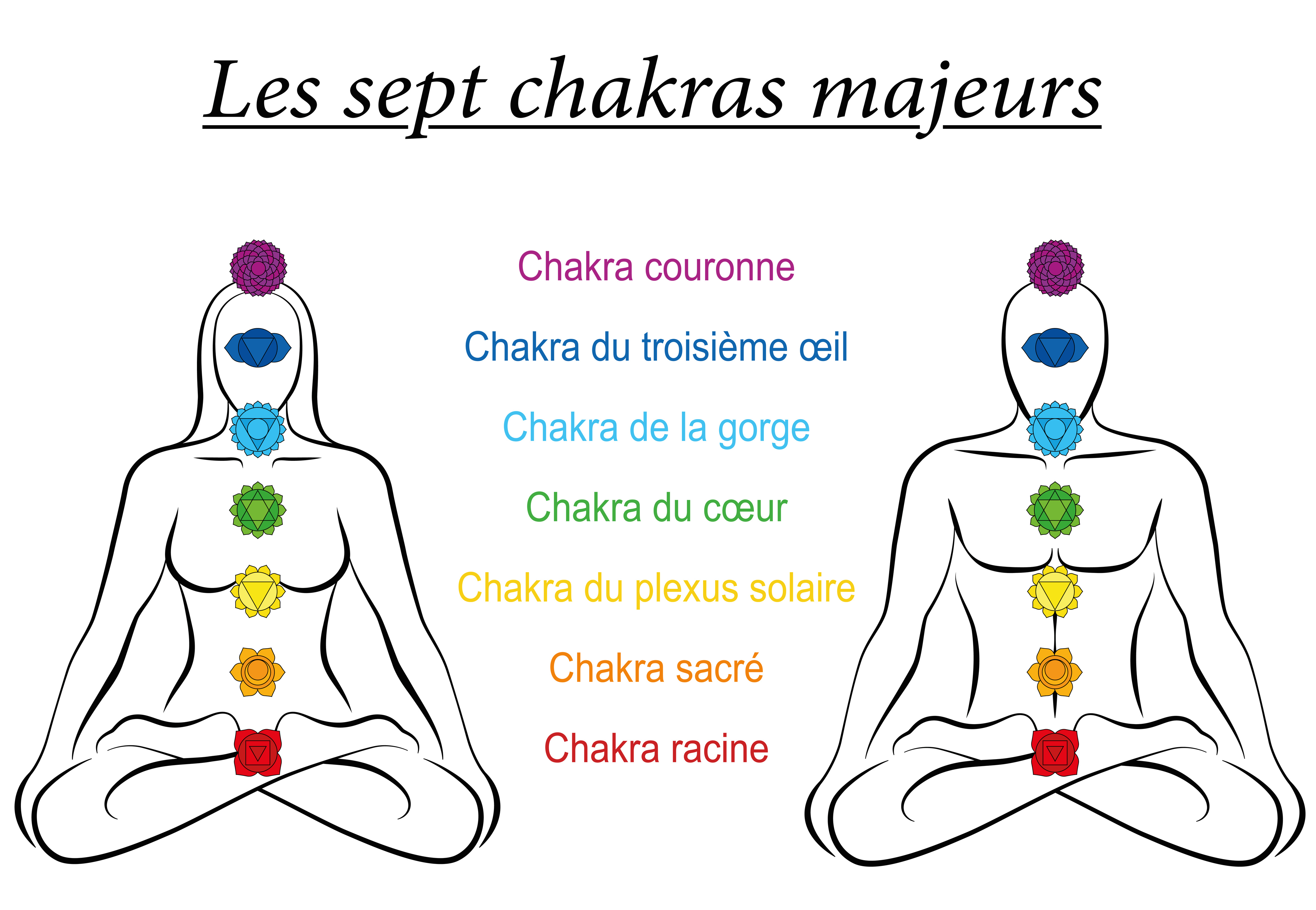
Nephrite jade balances the heart chakra, located at the level of the sternum. A harmonised heart chakra encourages self-acceptance and acceptance of others. It creates a feeling of peace, serenity and fulfilment. It generates compassion and empathy towards others. It inspires the desire to care for others and share one's zest for life with them.
An overactive heart chakra can lead to two types of behaviour: either excessive devotion or, on the contrary, narcissism. It then triggers negative energies such as jealousy, criticism and demanding behaviour.
Care, cleansing and recharging nephrite jade
When you buy or receive nephrite jade, it is essential to cleanse it of the emotions it has encountered since extraction. The following steps should be carried out at least once a month or after use in lithotherapy.
Immerse your stone in a glass filled with spring water for about 2 or 3 hours. Place your glass on a plate filled with salt. Be careful not to let your stone come into direct contact with the salt. You can also cleanse it using the buried-in-earth method, white sage fumigation or a Tibetan singing bowl.
Recharge it by placing it in the light of the full moon or on an amethyst druse or a quartz cluster for 24 hours.