 Français
 Deutsch
 English
 Español
 Italiano
Hematite


Find our Hematite products
Hematite
Hematite is essentially composed of oxygen, iron, titanium, aluminium, manganese and a large quantity of water. It belongs to the oxide family and is in fact the most widespread iron oxide on Earth. It has also been found on Mars. Its iron content, lower than that of magnetite, can reach 70%.
This mineral ranges in colour from black to silvery grey, brown to red, or completely red. When exposed to water and ground, this very friable stone is easily reduced to a blood-red powder. This characteristic gave it its name “haematites” in Latin, derived from “haima” in Greek, meaning blood. The finer-grained the hematite varieties are, the more pronounced the red colour.
This mineral is found in metamorphic rocks, sedimentary rocks, hydrothermal environments, igneous rocks, and also following the release of gases by volcanoes. Hematite has a hardness of 5 to 6 on the Mohs scale.
Thus, hematite’s appearance varies depending on its composition, location and the temperature during its crystallisation. It may therefore occur in the form of lamellae, granular masses, columns, short crystals, etc. Hematite inclusions in various minerals give them a magnificent effect and are highly sought after.
Since prehistoric times, hematite has been used by humans, especially Homo sapiens. They used it as body paint. Then hematite, in its red form, was ground and diluted in water. Traces of it can be found in the prehistoric frescoes of Chauvet Cave dating back 30,000 years, then in those of Lascaux Cave, dating from around 20,000 years ago. The first hematite mines have been exploited for about 10,000 years.
Persian and Babylonian civilisations made many hematite cylinders. They wore them around their necks to benefit from their magical and protective powers. A number of these cylinders have been found dating back 4,000 years.
The Egyptians engraved hematite, then considered a precious stone. Mirrors belonging to wealthy Egyptian women were made and carved in hematite. They also painted their lips with ochre-coloured hematite reduced to powder. Hematite powder was believed to ward off evil and disease.
The Greeks and Romans attributed many virtues to ground hematite, including healing the eyes and even restoring sight. It is said that it was also used to heal wounds and burns and to stop bleeding on battlefields. It was apparently also very effective against animal bites and poison in general.
In the Middle Ages, hematite powder was one of the main components of grisaille, a rather special paint. This kind of glass paint adorns many stained-glass windows and other masterpieces in cathedrals and churches.
From the 15th century onwards, hematite-based paint was used for facial colours in portrait painting. Then, in the Renaissance, Leonardo da Vinci used hematite chalk sticks.
Today, hematite is still used in iron production and in the manufacture of cosmetics. It is found in metallurgy or in the form of aggregates in the composition of heavy concrete. Many specimens are frequently used in jewellery or simply collected by lovers of beautiful stones.
Deposits of rough hematite stones
The main deposits are found in China, Brazil, Argentina, France, etc.

The virtues of hematite in lithotherapy
Its benefits on the mental level
Hematite is a grounding and harmonising stone. It brings overly dreamy people back to reality. This stone develops the ability to listen, both to others and to oneself. It also teaches patience and compassion. It thus fosters high-quality relationships.
This mineral gives strength and courage, helping one face life’s difficulties calmly. It helps overcome shyness, doubts and lack of self-confidence. Hematite generates confidence, energy and optimism.
It helps people assert themselves and strengthen their willpower. It is therefore also recommended for fighting addictions and compulsive behaviours (smoking, alcoholism, binge eating, anorexia).
Hematite is known to stimulate concentration and memory. It is ideal for students and for people undergoing career changes or vocational training. It is especially helpful for studying technical and scientific subjects.
It is said that hematite helps people who are overly angry or nervous find calm. It teaches them to analyse events with composure and perspective. It helps overcome all kinds of fears and phobias. It also promotes quality sleep by keeping anxiety at bay.
Its powers on the physical level
Hematite is a stone that helps the body absorb the iron contained in a balanced diet and strengthens the body in general.
This mineral promotes good circulation of bodily fluids.
Hematite supports the proper functioning of the third eye chakra.
Hematite and the associated zodiac signs
Hematite has virtues and properties that act on all zodiac natives. However, its effects and benefits are strengthened for the following signs: 
-
Aries: symbol of action, enthusiasm and impulsiveness. This sign represents ambition, competition and boldness. Wearing hematite helps calm its ardour and anger. This sign is made to lead and commands respect. It therefore likes to take charge and sometimes shows too much authority. It always seeks first place, because it loves competition. By nature stubborn, it will do everything to get what it wants. It is also often too direct in its frankness. It tends to say out loud what it thinks and can sometimes be hurtful. It does not give in to adversity. On the contrary, it seems to be stimulated by it. If it fails, it gets back up even more determined. In love, it enjoys flirting games. It has a lot of charm and is hugely appealing. It always needs to be pursued, as it hates routine. It appreciates fiery passions;
-
Aquarius: symbol of the future, technology and science. This sign represents freedom, equality between people and utopia. It dreams of a world where everyone would be equal in rights, with the same access to knowledge. Differences would be accepted and everyone would be free. Wearing hematite gives it more self-confidence, because it tends to have a very shy and self-conscious nature. It hates hierarchy and can sometimes become anarchist and revolutionary. It loves its freedom and is not ready to give it up. This sign loves to be admired and has a distinctive clothing style. It is creative and always needs projects. However, these projects rarely come to fruition. It can also be intolerant and often thinks it is the only one who is right. In love, it cannot stand routine and loves adventure. However, it is wary of overly passionate relationships. Its partner must be surprising. They must be both its friend and lover. Above all, they must not encroach on its freedom;
-
Pisces: symbol of infinity, faith and artistic gifts. This sign represents the unconscious, mystery and sacrifice. It is highly susceptible to influence and can quickly fall into various addictions. Wearing hematite gives it the willpower to resist various temptations. It is an idealist who lives in a world of dreams and creates a virtual world for itself. It can even become marginalised. It often lacks perspective and lets its emotions take over. It has an incredible instinct for good deals and can become an excellent financier. It has a creative mind and thrives fully in artistic activities. This sign tends to be very anxious and stressed. It refuses all positions of responsibility. In love, it can be either completely devoted or very libertine. It shows a great deal of eroticism and abandons itself to excess. With maturity, it aspires to start a family and becomes more serene.
Hematite and chakras
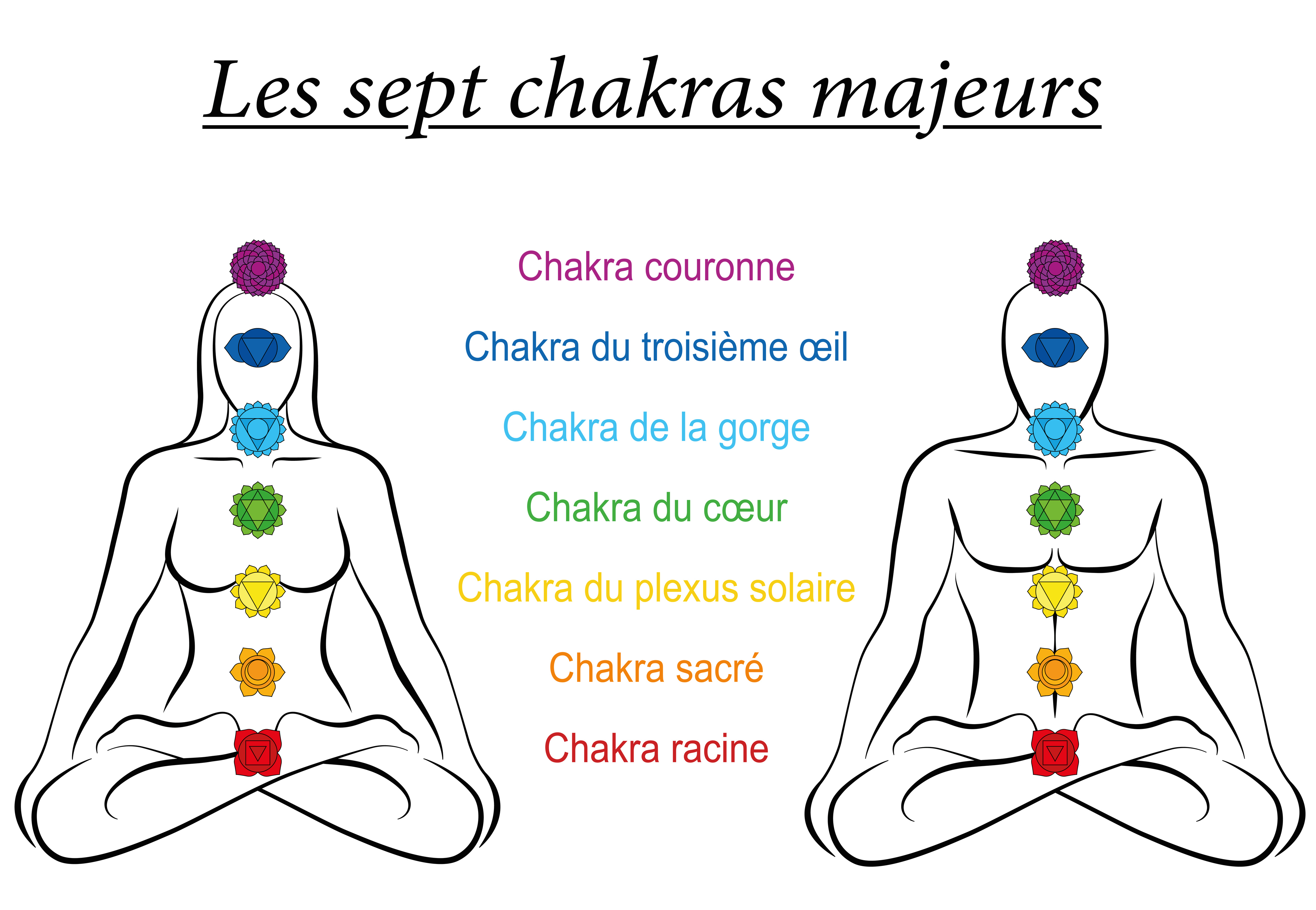
Hematite perfectly balances the root chakra. The root chakra is the first chakra located at the perineum. It is at the base of the spine. When this chakra is harmonised, energy flows properly without excess or lack. The wearer of hematite then feels a certain sense of security and stability. A feeling of well-being and vitality takes over.
Recharge and use hematite
As soon as hematite arrives in your home, it should be purified and recharged. Indeed, your stone has been in contact with all kinds of influences since it was extracted.
You can purify it using techniques such as fumigation with white sage or in a Tibetan singing bowl.
WARNING: Hematite should never come into contact with water!
Recharge your stone by exposing it to sunlight or moonlight for several hours. You can recharge it by placing it in an amethyst geode or on a quartz cluster for a minimum of 24 hours.