 Français
 Deutsch
 English
 Español
 Italiano
Brown Hessonite Garnet
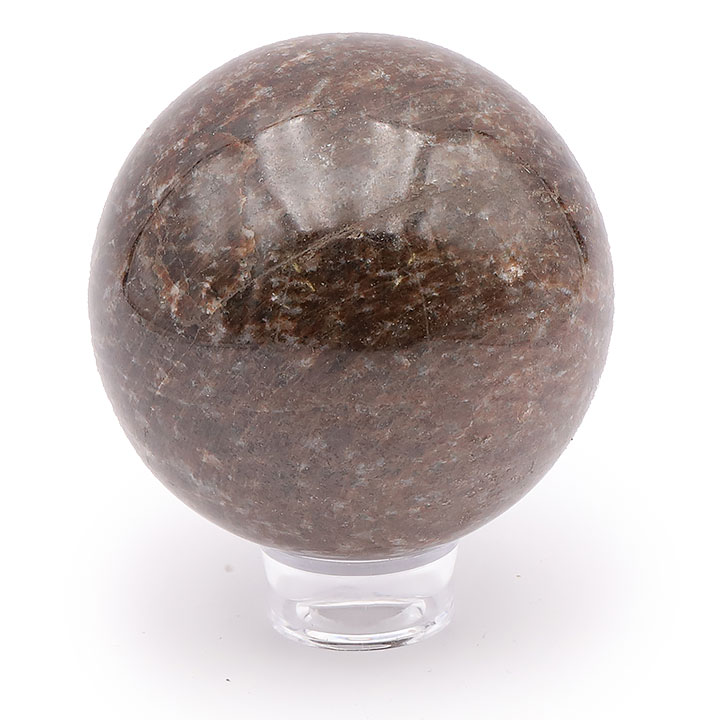
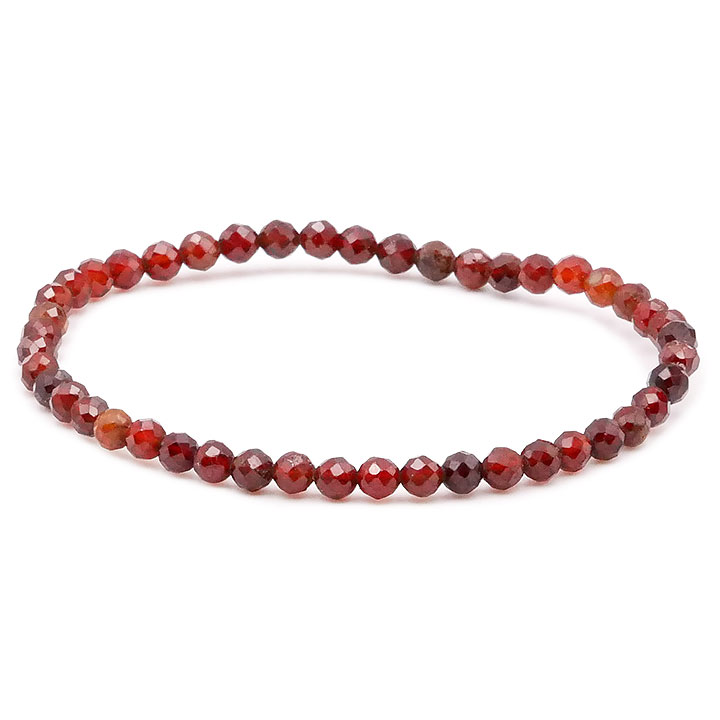
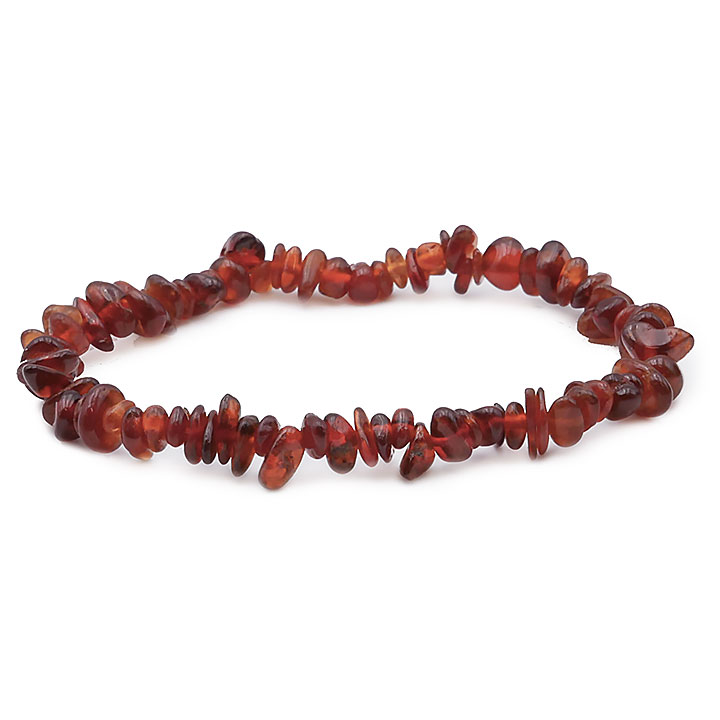
Find our Brown Hessonite Garnet products
Brown Garnet (Hessonite)
Garnet brings together a large number of minerals belonging to the silicate family. Silicates are among the main elements of the Earth’s crust: garnets belong to the silicates of metamorphism (a set of mineralogical and structural transformations undergone by rocks during changes in pressure and/or temperature). However, it should be noted that some garnets are found in pegmatite rocks (rocks whose minerals are of granitic composition and that develop in large crystals).
Although garnets have a similar crystalline structure and chemical composition, they come in a very wide variety of colours. This richness of colour is due to the different elements contained in garnets, such as iron, manganese, magnesium, chromium, etc.
Thus, garnet can range in colour from violet to chocolate, from green to yellow, from orange to pink and especially red. However, no blue garnet has been recorded. The large garnet family also includes various types such as rhodolite, hessonite, tsavorite, red pyrope, etc. In total, nearly forty garnets are recognised. They have a translucent to non-transparent appearance with a vitreous to resinous, greasy, silky lustre. They have a cubic crystal system and a hardness of 6 to 7.5 on the Mohs scale.
Hessonite garnet is a grossular garnet with a beautiful orange colour, with shades ranging from yellow to brown or honey-coloured. It is sometimes called the “cinnamon stone” in reference to this caramel colour caused by the presence of iron. The more iron the stone contains, the lighter it is. Its name comes from “hesson”, which in Ancient Greek means “inferior”, because it is less hard and less dense than other garnets.
The different legends
The name “garnet” comes from the Latin “malum granatum”, translated as “fruit with grains”, referring to the pomegranate. The seeds of this fruit are reminiscent of the red colour of garnet.
Garnets have been known for a long time. Indeed, Theophrastus, a philosopher of Ancient Greece (-372 BC / -287 BC), had given it the name “anthrax”, translated as “charcoal”.
At the time of Pliny the Elder, the Roman naturalist (23 AD / 79 AD), dark red garnets were nicknamed carbuncles.
In ancient civilisations, in Rome, Greece or ancient Egypt, garnets were carved into the shape of faces or animals. The Bible tells that Noah steered his ark through the darkness of the flood with garnet lanterns.
During funeral ceremonies, the Vikings used garnets, as they believed they had the power to guide their dead to paradise.
More recently, in the 19th century, warriors in Pakistan fired red garnet bullets at their enemies, because they attributed a more deadly power to them.
Brown garnet deposits
The main deposits are located in the United States, Madagascar, Australia, Canada, etc.

Brown hessonite garnet and its benefits in lithotherapy
Its virtues on the psychological level
Garnet is a stone that provides energy and vitality. Red garnet is relatively not recommended for people with a very angry, jealous and high-blood-pressure-prone temperament. Brown hessonite garnet is better suited to these people. It brings soothing and helps you quickly put things into perspective.
Brown hessonite garnet provides enough discernment to take on new projects. It makes decision-making easier without rushing. It gives the ability to study all the options in order to choose the right one. In the case of professional projects, it gives the strength to make radical changes and begin new experiences.
This stone is a great comfort for people in distress. It calms anxiety, worries and reduces stress. It helps you overcome the difficulties encountered and learn all the lessons from them.
Brown hessonite garnet has the ability to dispel insecurities, bring self-confidence and reassurance. It makes it easier to approach others and makes relationships easier. It develops communication, compassion and empathy. It is a gentle stone that fosters tenderness and understanding.
Its virtues on the physical level
By providing energy and vitality, brown hessonite garnet makes it easier to resume physical activities. It helps release stress and reduce its effects on the body.
Brown hessonite garnet does not irritate its wearer, as it has a gentler action than red garnet. It supports the proper functioning of the heart chakra.
This stone fights fatigue and apathy. It restores the mental strength needed to take on new things.
Brown hessonite garnet and astrology
Brown hessonite garnet is perfectly suited to all zodiac natives. However, it is known as the birthstone of the January astrological signs, namely the following signs:

-
Capricorn: symbol of ambition, organisation and patience. This sign represents professional success, whether fast or gradual. It likes solitude, is very persistent and does not mind working hard. Wearing brown hessonite garnet brings it confidence and help in overcoming its insecurities. This sign suffers from great shyness. It often feels frustrated and is very restrained. At times, it can be seen as too cold and too strict. It does not hesitate to make sacrifices to achieve social success. It loves acquiring real estate or movable property. It likes the idea of working hard to have a lot. It is a sign of great reliability, on which one can count. It is often associated with knowledge and expertise. It tends to be self-sufficient, concerned only with its professional career. With time, once recognition has been achieved, it can become more flexible and open up more to others. In love, it is very afraid of commitment. It fears suffering in a relationship and therefore prefers to remain alone. If it does decide to place its trust in someone, then its potential partner will be judged very strictly. With maturity, it becomes less demanding and can then consider a deeper relationship. It has a strong sense of family;
-
Aquarius: symbol of technology, the future and modernity. This sign also represents brotherhood, equality and friendship. It is always on the lookout for technological advances, loves science and new discoveries. It even tends to be very utopian. Indeed, it dreams of a better world where everyone would be equal. Wearing brown hessonite garnet helps to calm it, because this sign is sometimes on the verge of anarchy. It is often in rebellion against the system that governs it. It starts creating projects to abolish differences, but the problem is that it has many ideas. Yet these ideas rarely lead to anything concrete. It often proves highly intolerant and can even be very proud. It has an urgent need to feel useful. But it has a major flaw, because it considers itself superior to others. It always imagines itself to be the only one who holds the truth. In love, it does not give in to passionate feelings. It avoids bonds that could make it lose its freedom. It would rather live a love-friendship relationship than a fused romantic relationship. It will choose a relatively independent partner who does not ask it questions. It is a sign that prefers civil partnerships and avoids marriage. Indeed, marriage gives it the feeling of being imprisoned. In general, it has a very uninhibited sexuality.
Brown hessonite garnet and chakras
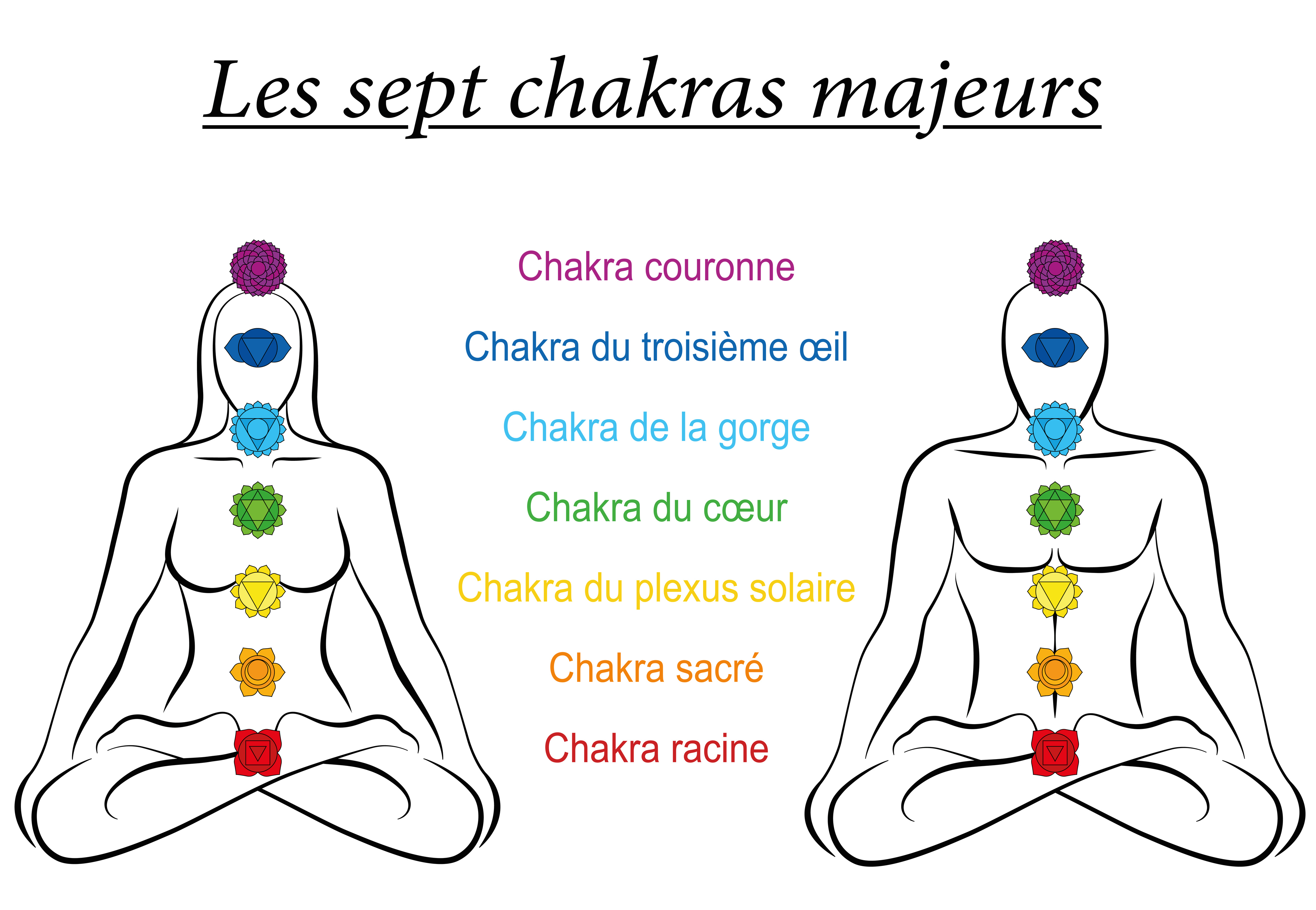
Brown hessonite garnet harmonises the root chakra. This is located at the base of the spine and faces downward. A harmonised root chakra gives a feeling of security. In this way, it spreads well-being, comfort and beautiful physical vitality. It is the basis of all work on the body and mind.
Care, cleansing and recharging of brown hessonite garnet
As soon as your brown hessonite garnet arrives, it is important to purify it and release it from negative energies. Indeed, since its extraction, you do not know the journey of your stone. It may even have lost some of its effectiveness. The following operations should be carried out for maintenance at least once a month or after intensive use in lithotherapy.
Place your stone in a glass of spring water for 2 or 3 hours. You can also cleanse it using the fumigation technique or in a Tibetan singing bowl.
Recharge it in the sun for 3 hours or place it on a quartz cluster or on an amethyst geode for 24 hours.