 Français
 Deutsch
 English
 Español
 Italiano
Lemon Chrysoprase


Find our Lemon Chrysoprase bracelets
Lemon Chrysoprase
Lemon chrysoprase is a variety of chalcedony (a fibrous form of quartz), translucent and ranging from rather pale yellow to very light anise green. Its color is determined by the amount of nickel oxide and hydrated silicates it contains. Its main difference from chrysoprase is its paler color, as chrysoprase is an intense green. Lemon chrysoprase can be transparent to opaque.
However, its etymology and the legends surrounding it remain the same as those of chrysoprase. Its name comes from two Greek terms, “chrysos” and “praso,” meaning “golden leek.” It was given this name because of its beautiful colors ranging from very pale yellow to intense green. Some people sometimes call it the “stone of Venus.” The largest chrysoprase in the world was discovered in Australia and weighs 16,400 kg.
This chrysoprase stone is one of the semi-precious stones whose traces are found in many ancient civilizations such as the Greeks, Romans and Egyptians. During archaeological excavations, jewellery, ornamental objects and seals were discovered in chrysoprase. The distinction between chrysoprase and lemon chrysoprase is not clearly made in the writings referring to this stone.
In the Bible, the city of New Jerusalem is described in detail. The construction of the wall is explained, and it seems that it was built with precious stones and semi-precious stones including chrysoprase.
Pliny the Elder (23 - 79 AD), Roman naturalist writer, mentions this stone in his famous encyclopedia entitled Natural History.
Albertus Magnus (1200 - 1280), Dominican friar, philosopher, naturalist and chemist, tells how Alexander the Great (356 - 323 BC) never parted with his chrysoprase when he went into battle. This stone brought him luck, because he never lost a fight. It enabled him to devise extremely strategic plans and make the right attacking choices. One day, a snake ripped the chrysoprase from his belt and fled into a river. Alexander the Great never found his favourite stone again and never won another battle after that.
In the Middle Ages, it was claimed that this stone had the power of invisibility. All you had to do was put it in your mouth and the person became invisible! Another belief said that when chrysoprase was in the presence of poison, it changed color and then alerted its owner.
Frederick II of Prussia (1712 - 1786) liked this stone so much that he put it everywhere as decoration in his palace and even on his furniture.
In the Victorian era, many pieces of jewellery were made with this stone, including cameos, rings, beads and cabochons.
Nowadays, this stone is mainly used in jewellery. Indeed, it has a hardness of 6.5 to 7 on the Mohs scale and is used to make many pieces of jewellery. It should be noted that if jewellery repair has to be carried out with this stone, it must absolutely not be heated. In fact, this stone is very sensitive to heat and sunlight.
Lemon chrysoprase deposits
The main deposits are in Australia.

The virtues of lemon chrysoprase in lithotherapy
Its properties on the mental level
As a general rule, lemon chrysoprase has the same virtues as chrysoprase. However, it seems to be more about optimism, encouraging hope and intuition. It promotes positive thinking and drives away dark thoughts.
It is a comforting stone that helps some people socialise and open up to others. It helps overcome inhibitions and complexes and boosts self-confidence. It encourages self-acceptance and acceptance of others. It brings forgiveness, compassion and harmonises relationships between people.
Lemon chrysoprase guides its wearer in decision-making and helps them face complicated situations. It instils wisdom and gives confidence when choices need to be made. In fact, it improves perception and enables frank, decisive action. It generates a sharp mind, which is very useful in the business world. As such, it can bring fortune and prosperity. It is also said to stimulate creativity and imagination.
It also promotes loyalty and sincerity, whether in family or professional life. In fact, it encourages trust and honesty. It makes public speaking easier and produces beautiful eloquence.
This stone relieves stress, soothes and reduces negative thoughts and emotions. It relaxes and promotes restful nights free from nightmares. It brings restorative and peaceful sleep. It is even reputed to relieve claustrophobia.
Its physical properties
Lemon chrysoprase is both a soothing and energising stone. It helps combat states of intense sadness. It provides restorative sleep, which restores vitality.
It is a revitalising stone that helps bring back the desire to exercise or resume a sporting activity.
Lemon chrysoprase promotes the proper functioning of the heart chakra as well as the solar plexus chakra.
Associations between lemon chrysoprase and zodiac signs
Lemon chrysoprase has many virtues for all zodiac natives, but it is particularly recommended for the following signs:

-
Pisces: symbol of infinity, limitlessness and mysticism. This sign represents sacrifice, mystery and betrayal. Wearing lemon chrysoprase gives it self-confidence and assurance. Indeed, it tends to put itself down and can suffer terribly from it. It also has a very developed artistic streak, especially in music. It is highly sentimental and tends to idealise things and people a great deal. It is easily influenced and can sometimes fall into certain addictions. This sign is lucky in life and has a great deal of intuition. It can therefore succeed professionally in the financial world, because it has an incredible instinct. In love, it is paradoxical: it can be either totally devoted or very unfaithful. It needs to idealise the other person, otherwise it can get bored very quickly;
-
Capricorn: symbol of ambition, simplicity and perseverance. This sign represents maturity, patience and coldness. Wearing lemon chrysoprase gives it optimism and helps it open up to others. Indeed, this sign tends to close itself off, to be reserved and distrustful. It is a tireless worker, often associated with knowledge and expertise. Of great wisdom, it is said to be old before its time. It develops a sense of responsibility very early on. It likes solitude and has very few friends. It is obsessed with professional success and buying material goods. In love, it turns out to be very shy and has many insecurities. It will choose solitude for fear of being betrayed. With maturity, it gains confidence and can then start a family;
-
Aquarius: symbol of the future, modernity and utopia. This sign represents science, new technologies and anarchy. Wearing lemon chrysoprase helps bring about self-acceptance and acceptance of others. A sign of intelligence and the future, this sign seeks to change hierarchical and state-controlled systems. It wants everyone to be equal. It will develop totally utopian ideas to reform the world. But its ideas do not amount to much. So it takes refuge in its thoughts, which are often too fast. It needs to be useful or it withers and can even become completely marginalised. In love, it avoids overly passionate feelings and prefers a friendship-based romantic relationship. It needs to find a completely independent partner, because it wants to retain a certain freedom. It will choose civil partnership rather than marriage.
Lemon chrysoprase and the associated chakras
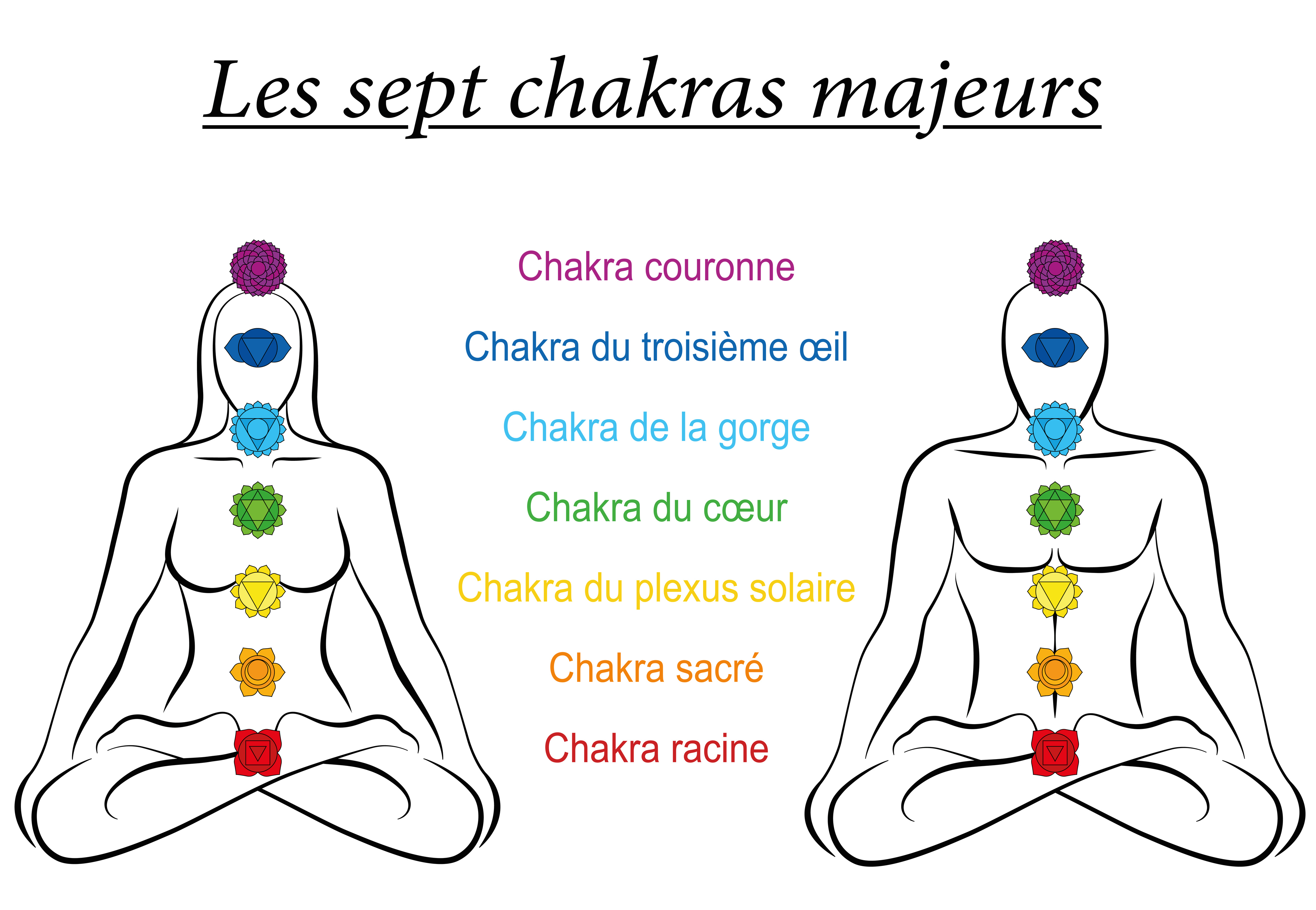
Lemon chrysoprase energises the solar plexus while bringing energy to the body. It encourages openness to others and to new situations. It makes decision-making easier. It also regulates emotional stress.
Lemon chrysoprase is also used on the heart chakra. It inspires generosity and allows self-acceptance, promotes forgiveness and develops a sense of compassion.
Lemon chrysoprase: purification
When you acquire your lemon chrysoprase, you must purify and recharge it. Indeed, in its natural environment, the stone recharges itself automatically with the elements around it. But since it has been extracted, it may lose some of its effectiveness and come into contact with negative energies.
The following steps should be carried out at least once a month or after intensive use.
Purification is done by immersing the stone in spring water, low in limestone, with a little salt. Gently wipe it with a soft cloth. You can also use incense or a Tibetan singing bowl.
Recharge it in moonlight outside the full moon. Be careful not to expose it to sunlight, as this could alter its color. For extra precaution, the ideal solution is to place your stone on an amethyst druse or on a quartz cluster for 24 hours.