 Français
 Deutsch
 English
 Español
 Italiano
Chrysocolla


Discover our Chrysocolla products
The stone Chrysocolla
Chrysocolla has been known since ancient times. Hippocrates, the founding father of medicine (-460 -377 BC), highlighted the medicinal virtues of this stone. He recommended it for eye problems or for healing certain wounds.
In 315 BC, the famous Greek philosopher Theophrastus described it precisely in his work entitled Treatise on Stones. This stone owes its name to two Greek words, “chrysos” and “kola,” meaning respectively “gold” and “glue.”
Indeed, during antiquity, Theophrastus explains that chrysocolla was used in jewelry making. It made it possible to solder gold jewelry using the copper present in chrysocolla.
In ancient Egypt, Cleopatra regularly carried chrysocolla on her person. The Egyptians referred to this stone as the “stone of wisdom.” They attributed soothing virtues to it, very useful during negotiations. This stone also had a protective function. They also made chrysocolla amulets, which they buried with mummified children to protect them.
Ground into powder, this stone was used by Roman doctors as an eye lotion and as an antiseptic to apply to wounds to promote healing.
Around 200 BC, during the pre-Inca civilization, chrysocolla was used in jewelry, to make ornaments or decorative objects. Thus, various ornaments made from this stone were discovered in pre-Inca mummies.
At almost the same time, the indigenous peoples of South America considered chrysocolla a calming stone, soothing overly intense emotions. It also represents the symbol of the forest’s nourishing water.
According to Pliny the Elder, born in 23 AD, it seems that this green pigment from chrysocolla can be found on certain royal tombs in Macedonia. It was also used to accentuate certain architectural details, either pure or mixed with gold.
In the Middle Ages, doctors still used it for its disinfecting and healing qualities. They also believed that it could relieve heartburn and even certain eye-related problems.
Later, during the Renaissance (15th and 16th centuries), chrysocolla was ground into powder. It was then used as a pigment in mural fresco painting or in the paints used by artists for their works.
In 1800, South American peoples made small works of art and gold jewelry, in which they set chrysocolla. Likewise, they considered this stone a symbol of water and communion with nature. They were even convinced that owning this stone strengthened physical endurance and brought peace to its wearer.
Today, this chrysocolla stone is mainly used in jewelry making for all kinds of jewelry. Its many colors (brown, blue or green) are highly appreciated. Sculptures are made from this beautiful green ore.
This stone is made up of many chemical elements, such as oxygen, silica, copper, aluminum and hydrogen. The amount of these various elements is what gives the stone its color and inclusions. This mineral is a copper hydroxide silicate, or a hydrated copper silicate. It is relatively fragile because of its water and copper content, with a hardness between 2 and 4 on the Mohs scale.
The deposits of raw chrysocolla
Its main deposits are located in Peru, Congo, Australia, the United States, Russia, Brazil, France, etc.

The virtues of chrysocolla in lithotherapy
Its psychological properties
Chrysocolla has many positive energies. It helps its wearer avoid negative feelings such as jealousy, anxiety, anguish, distrust and sadness. This stone brings serenity, self-control and inner peace.
It is a soothing stone that encourages positive emotions such as tolerance, friendship and attentive listening to others. It provides a certain balance, especially for people suffering from mood disorders.
Within its sphere of action, this stone keeps disputes and conflicts away in order to bring calm and open exchange. It encourages quality communication, without aggressiveness, and improves relationships.
In fact, it gives you the ability to express yourself clearly and to voice your desires and expectations, whether in the family or professional environment. As a result, it helps its wearer feel lighter and have greater self-confidence.
It strengthens positive attitudes in life while warding off the harmful influences of certain people. In fact, it helps maintain self-control while fostering emotional stability. It encourages acceptance of difficult situations.
This stone is also said to increase creativity and intuition in its wearer. It is also renowned for healing heartbreak and giving the strength to start over from scratch.
Its physical properties
This chrysocolla stone is known for its soothing virtues.
It calms tension and relieves states of intense sadness. It frees you from stress and brings benefits to both body and mind.
The body, freed from stress, functions better and feels good.
It is even said that chrysocolla strengthens the body and gives it more vitality. This mineral is excellent for people with a manual or physically demanding job or for high-level athletes.
Chrysocolla and astrological signs
Chrysocolla is a mineral with very powerful energetic properties for all zodiac signs. But it is particularly effective for the following signs:

-
Gemini: symbol of communication, exchange and intelligence. This sign represents writing, mail and the mind. It is spiritual, light and fun. Its company is often sought after. Wearing chrysocolla gives it confidence and encourages its interest in others. It relieves it of its anguish and anxiety. Indeed, beneath its pleasant and carefree appearance, it hides great shyness and many negative emotions. Be careful, because it can turn out to be a big liar and a fabricator. In love, it is absolutely charming and seductive. It loves to go and discover the other person, or rather the others. It matures with age and can finally experience a real love story;
-
Scorpio: symbol of death, the end of things and transformations. This sign represents instinct, sexuality and sometimes what is destructive in human beings. It can show great magnetism and want to control the other person. It is very insightful and quickly detects the weaknesses of those around it. However, this sign is loyal and wholehearted. It can devote itself entirely to one person, but beware of betraying it. Wearing chrysocolla helps it find peace and maintain sincere relationships with others. It is very difficult to understand and is highly sensitive. In love, it is passionate and fascinating. It likes to dominate the other person, and has a strong need for possession and a fusion relationship. More sentimental than it would like to be, it can grow attached over time and find peace. It has a sense of family and loves children;
-
Pisces: symbol of infinity, boundlessness and faith. This sign often has artistic talents. Wearing chrysocolla encourages its creativity and intuition. It often represents sacrifice, trials and mystery. Rather than that, it seeks to escape the real world and retreat into its own world made of dreams and gentleness. It is highly suggestible and can quickly become involved in all kinds of addictions. It is very difficult to pin down, because it is highly paradoxical. Often on the fringes, it likes to live at night. It needs to show compassion and turns toward the most disadvantaged. But it merely pities them without really being able to help them. In love, this sign can be either very romantic or, on the contrary, a great seducer. It constantly needs to idealize the other person, otherwise it runs away.
Chakras and chrysocolla
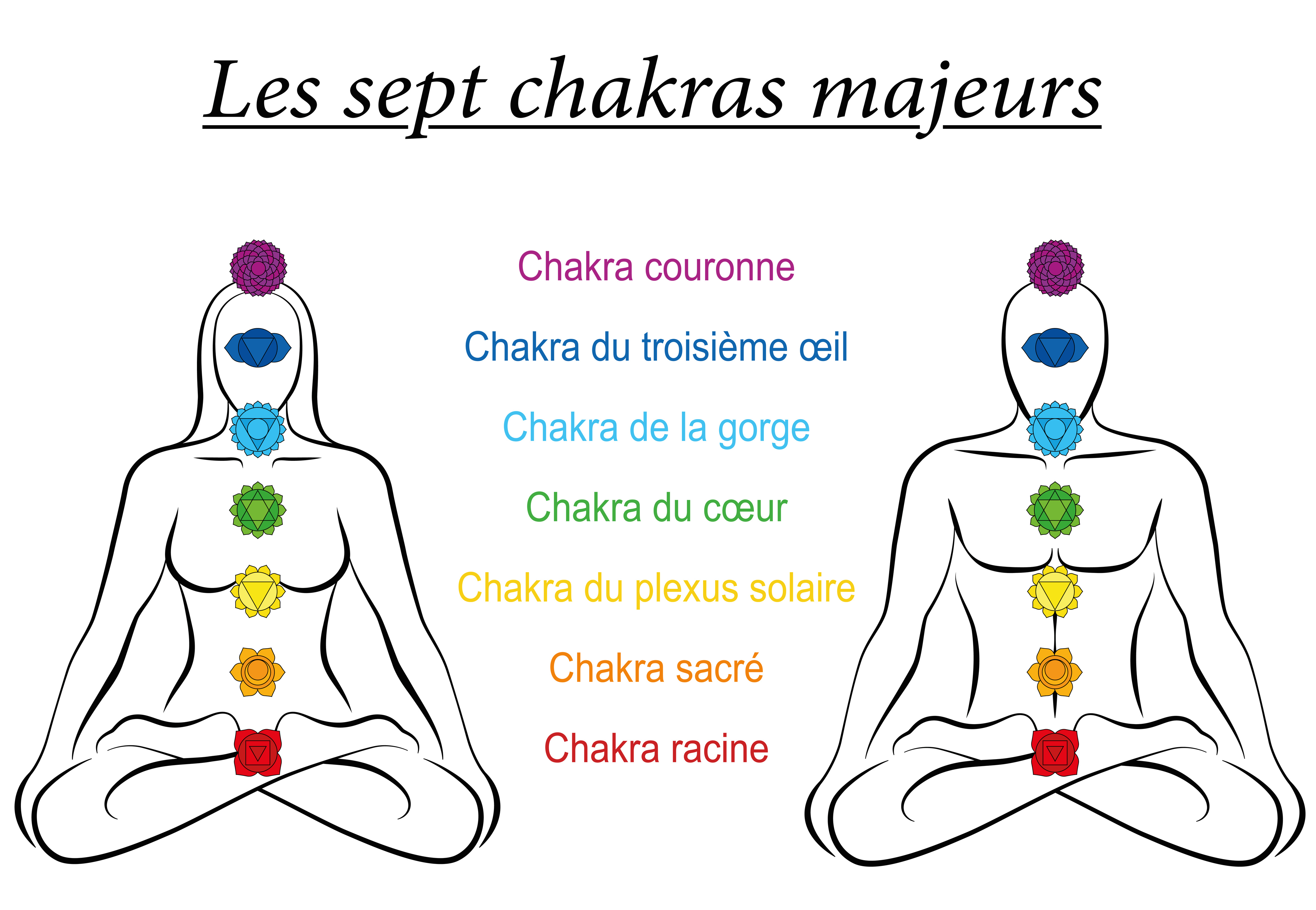
Placed on the throat chakra, chrysocolla facilitates understanding, communication and dialogue. It helps you express yourself clearly.
Placed on the solar plexus chakra, chrysocolla absorbs certain negative emotions such as remorse, guilt and shame.
Placed on the heart chakra, chrysocolla soothes sorrow mainly caused by breakups and rekindles the desire to love.
Chrysocolla: recharging, purification and cleansing
As soon as you buy your chrysocolla, you should purify and recharge your stone. In fact, in its natural state, chrysocolla purifies and recharges itself.
But as soon as it is extracted, it is essential to purify and recharge it in order to preserve its positive energy. These operations should be repeated at least once a month.
You can rinse it briefly in clear water, without salt, and dry it gently with a soft cloth. You can also purify it using incense or a Tibetan singing bowl.
You can recharge it by exposing it to moonlight for a whole night or by placing it on a quartz cluster or an amethyst geode for at least 24 hours.