 Français
 Deutsch
 English
 Español
 Italiano
Chalcocite
Find all our Chalcocite products for lithotherapy
Chalcocite
Chalcocite is a very little-known stone. There are no legends or myths associated with this stone. It generally comes from the Congo. It is defined as a copper sulfide. However, it should not be confused with chalcopyrite, which contains iron.
In 1868, this mineral was identified and named by James Dwight Dana, an American geologist, mineralogist and zoologist. His discoveries helped explain mountain formation and volcanic activity.
Chalcocite gets its name from the Greek word “chalkos”, meaning copper. Indeed, it is a copper ore, almost 80% pure. Chalcocite is a vein mineral found in hydrothermal veins.
However, chalcocite is found mainly in supergene-enriched areas (a formation resulting from surface geological processes). In the oxidation zones of copper deposits, copper sulfides can, in the presence of oxygen, change into sulfates. As a result, they form secondary alteration products such as chalcanthite.
For the record, chalcanthite is a secondary alteration mineral of copper sulfides. It is a mineral species containing copper sulfate with traces of iron, magnesium and cobalt. This stone is a deep blue color, sometimes with green.
We also find chalcocite in sedimentary rocks. It has been mined for centuries because it is one of the most profitable ores. Indeed, its high copper content is one of the reasons for its intensive mining, but moreover, copper separates easily from sulfur.
Chalcocite, a secondary mineral, forms from changes in the properties of rocks and takes pseudomorphic forms (having taken on the crystalline form of another mineral) of many minerals. For example, chalcocite creates pseudomorphs such as bornite, chalcopyrite, covellite, pyrite, enargite, etc.
Chalcocite has a massive form ranging in color from gray to blackish brown depending on copper alteration. It has a very distinctive metallic luster and a sectile property (it can be cut easily with a knife). Its rare crystals appear as elongated, striated prisms.
Chalcocite deposits
There are many deposits: it can be found in Russia, Australia, the United States and France.

The virtues of chalcocite in lithotherapy
Its psychic virtues
This chalcocite stone is a soothing stone. It provides quality sleep and reduces restless nights. It fights stress and brings serenity. It makes it possible to approach life more calmly and to set goals and have plans.
It releases emotions, especially negative ones. It helps overcome mistakes from the past and move forward. It manages to remove blockages buried for years and gives more self-confidence. Freed from the chains of the past, the wearer of this stone can look to the future and move forward in life.
This stone frees you from worries and fears while providing a sense of security. It is a protective stone against energies or people with negative influence. It stimulates creativity while expressing each person's potential. It encourages letting go and facilitates important decision-making.
It is a stone that brings happiness, peace and joy. It also brings abundance.
Its physical properties
This chalcocite stone releases stress and related tension. It soothes the body.
It protects against external pollutants.
It promotes the proper functioning of the heart chakra and the solar plexus chakra.
It supports good circulation of bodily fluids.
Chalcocite and astrological signs
Chalcocite has virtues for all zodiac signs, but it is more effective on the following signs: 
-
Scorpio: symbol of endings, death and sexuality. This sign represents animal desire, instinct and passion. It is a sign of power, mystery and reincarnation. It can be violent, tyrannical and possessive. It is very resentful, so wearing chalcocite can bring it serenity and help it move forward in life. At the same time, this sign can be loyal and wholehearted. When it likes someone, it can be very devoted. It is extremely idealistic and can devote itself entirely to achieving its goals. In love, it is capable of loving passionately and can prove to be very jealous. It has a reputation for being an extraordinary lover. It will build a family as the years go by. This sign is protective and loves children;
-
Libra: symbol of balance, peace and justice. This sign represents union, contracts and partnerships. It is endowed with elegance and charisma. It has a lot of artistic creativity. Thus, wearing chalcocite strengthens its inspiration and sparks its motivation. It has a taste for beauty and refinement. It is renowned for its kindness; in fact, it has a hard time taking sides for one cause over another. It loves order and organization. It hates being alone and likes to be admired. Beware, because it is capable of using its charm solely to manipulate others. In love, this sign is highly romantic. It likes to live in peace and harmony. It will seek to marry relatively early, because it hates being alone;
-
Leo: symbol of power and royalty. This sign is very generous and highly noble. It is also said to love flattery and to be very vain. It likes luxury, pleasure and parties. This sign is very well surrounded, because it always seeks to be admired. It always needs to feel loved, and wearing chalcocite allows it to let go, bringing happiness and well-being. Beware, because this sign can be very tyrannical with those around it. However, it likes to share and can even be very generous. In love, it is passionate and full of burning desire. It is extremely seductive and will have to wait for maturity before considering starting a family.
Chakras associated with chalcocite
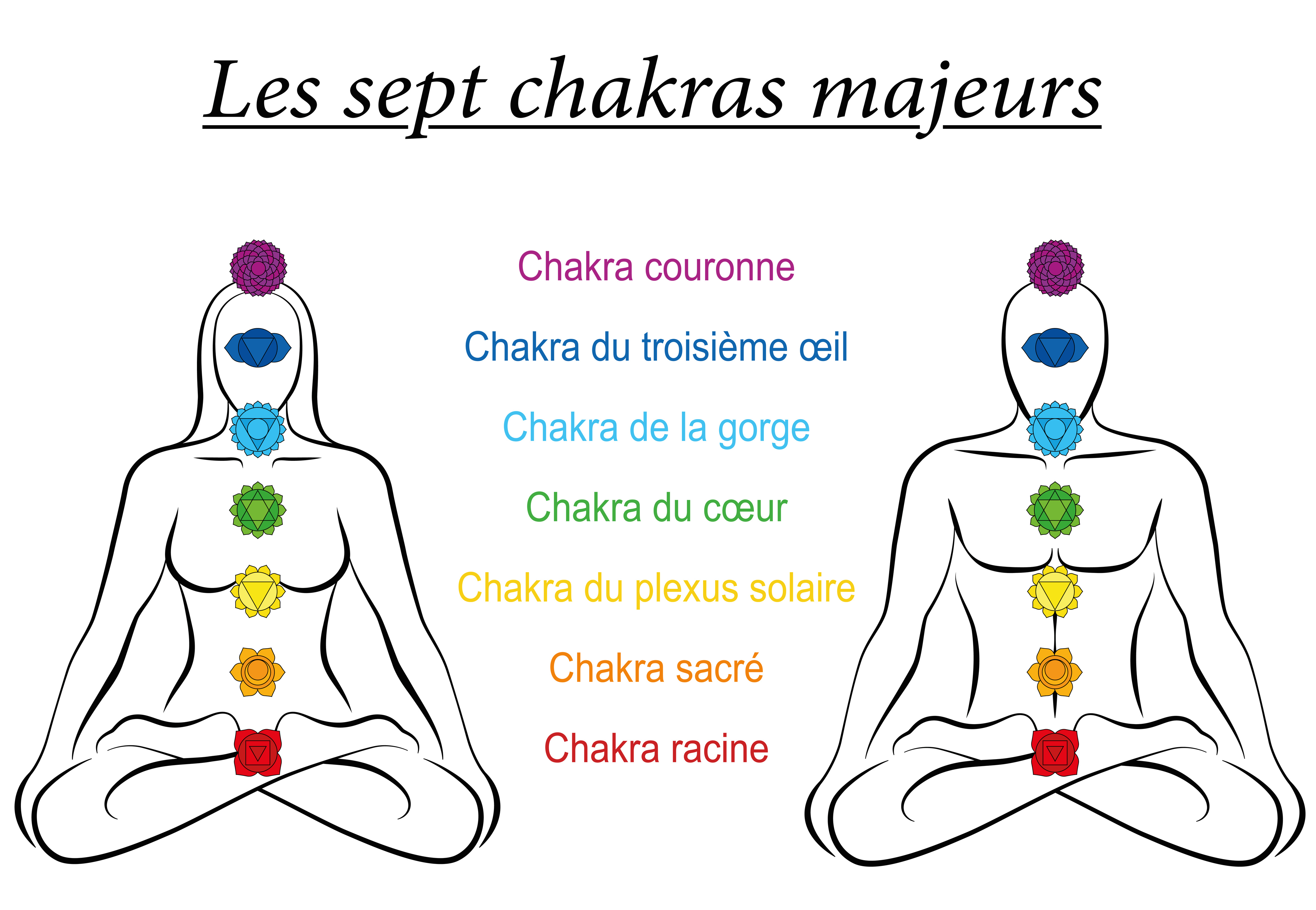
Placed on the solar plexus, located below the chest and above the stomach, chalcocite is one of the chakras that is most often out of balance. Chalcocite helps control emotional stress. This balanced chakra symbolizes the positive transformation of emotions.
Chalcocite associated with the heart chakra allows acceptance of others and self-love. It brings peace, compassion and even forgiveness. Its role is strengthened and brings a life in harmony and balance.
Care, cleansing and recharging of chalcocite
When a chalcocite stone arrives in your home, it needs to be cleansed and recharged with positive energy. From the time it is extracted until it reaches your home, your stone has been in contact with all kinds of energies. Cleansing and recharging should be carried out for the care of your stone about once a month.
Cleansing is done either by smudging or by burying it in the earth. It is better to avoid cleansing your stone with water, as it remains a relatively fragile stone. You can also cleanse it in a Tibetan singing bowl.
Place your stone in moonlight, away from the full moon, to recharge it, or set it on an amethyst druse or a quartz cluster for about 24 hours.