 Français
 Deutsch
 English
 Español
 Italiano
Beryls


Discover all our jewellery in Beryls
Beryl: a stone with many benefits
Beryl, a mineral in the silicate group, comes from granitic pegmatites (igneous rock with large crystals). It has a variable size, can sometimes reach very large sizes, and formed at the end of crystallisation of granite massifs. Beryl is a beryllium aluminosilicate that includes aquamarine, emerald, heliodor, morganite and goshenite.
Beryl stone has been known for centuries. It was first mentioned in 77 AD by Pliny the Elder, a Roman writer and naturalist of the 1st century, author of the encyclopedia entitled Natural History.
The name beryl comes either from the Latin "beryllos" meaning "sea-water coloured", or from the Greek "bêrullos" meaning "crystal". At the time, beryl was associated with a bright colourless stone. It was used to make magnifying glasses. In fact, Nero’s famous emerald magnifying glass was most likely a clear beryl.
Thus, beryl, first synonymous with aquamarine, became synonymous with lens. It was only in the 19th century that beryl was divided into 6 major varieties:
-
aquamarine: pale green to blue;
-
bixbite: intense red colour (very rare stone);
-
emerald: intense green colour;
-
heliodor: pale yellow to yellow-orange;
-
morganite: pale pink to salmon pink;
-
goshenite: colourless.
All beryls of another colour are named according to their colour, such as yellow beryl.
Emerald
The most sought-after stone in this beryl family is emerald, with its intense green colour. Its name comes from a very ancient Semitic word meaning "to shine". It contains chromium and vanadium inclusions. The stronger and more transparent the green, the more expensive the stone. Its colour is mainly due to the presence of chromium and/or vanadium.
The main deposits are in Brazil, Afghanistan, Madagascar and Russia.
Aquamarine
It is the second most sought-after beryl stone. Its name comes from the Latin "aqua marina" meaning "sea water". The most prized aquamarine colour remains the deep blue of the sea. Aquamarines are often found as highly transparent crystals. Their colouring is due to the presence of iron.
The main deposits are in Brazil and in Africa, especially Mozambique.
Morganite
It is the third most sought-after variety of beryl. It owes its name to a famous banker, JP Morgan, a collector of precious stones. Its pink colour is due to the presence of manganese. Inclusions are rather rare in this beryl stone.
The main deposits are in Afghanistan.
Heliodor or yellow beryl
Yellow beryl ranges in colour from lemon yellow to yellow-orange. Its name comes from two Greek words meaning "gift of the sun". It has very few inclusions and owes its colour to the presence of iron.
The main deposits are in Brazil, Madagascar, Namibia and Sri Lanka.
Goshenite
This beryl is colourless, transparent and brilliantly lustrous. It owes its name to the place where it was first discovered: Goshen (Massachusetts, United States).
The main deposits are in Brazil, Afghanistan, Madagascar, China and Russia.
Bixbite
Bixbite is the rarest variety of beryl. It has a raspberry/red colour due to the presence of manganese and is not very transparent. It is extremely rare and most often reserved for collectors.
The only known deposit is in Utah, United States.

The benefits of beryl in lithotherapy
Its benefits on the mental level
The benefits of beryl stone are extremely significant on the mental and spiritual levels. The different varieties of beryl each have specific virtues.
Indeed, morganite, with its soft pink to salmon pink colour, brings soothing relief in emotional disorders. This colour is often associated with love, and morganite is known to encourage feelings of love and seduction. It is even said to be a stone that amplifies sexual orgasm.
Heliodor is an energising stone. Its yellow colour gives wonderful energy and frees you from stress and anxiety. It brings strong vitality. It is said to maintain the good health of green plants, animals and people around it. It simply needs to be exposed to the rising sun so that it can restore all its energy during the day.
Goshenite has almost the same properties as diamond or quartz. It helps you to be very objective, to forget the past and move towards the future. It offers a different view of reality and encourages reflection. In fact, it promotes good decision-making.
As a general rule, beryl stone has great powers in lithotherapy. It helps channel overly nervous people and encourages them to achieve their goals. At the same time, this stone encourages meditation and introspection. It is decidedly forward-looking and overcomes emotional shocks linked to the past.
Its benefits on the physical level
This beryl stone releases tension. It reduces anxiety and inner fears.
Its red colour in the form of bixbite promotes good circulation of bodily fluids.
Those who wear this beryl stone achieve better stress management and benefit from greater self-esteem. This helps them move forward and bring their projects to life.
Beryl and the associated astrological signs
Beryl is a family of stones, so it is perfectly suited to all zodiac signs. However, its action is even stronger for people born under the following signs:
-
Cancer: symbol of family, origins, the past and the mother. This sign has a great deal of imagination and sensitivity. However, it often appears worried and fragile. Wearing a beryl stone gives it great self-confidence and allows it to free itself from the constraints of the past. It has a huge need to feel reassured at all times. Indeed, it is always afraid of being abandoned and needs to feel loved. It is always seeking gentleness and security. It cannot stand conflict. It has a natural affinity with artistic activities. In love, it is very tender and deeply sentimental. It needs to build a home very early, and when it becomes a parent, it is very protective;
-
Leo: symbol of royalty and power. This sign is very generous, but also very vain. It loves flattery, while also showing great authority. It represents luxury, pleasures and parties. When it wears a beryl stone called heliodor, it overflows with energy and vitality. It succeeds in bringing its projects to fruition. It proves to be very narcissistic and needs the attention of others. Be careful: it can even become despotic with those around it. In love, it is passionate, ardent and fiery. It bubbles with energy and loves to conquer new prey. As soon as it finds its soulmate, it proves to be a serious and faithful partner;
-
Pisces: symbol of infinity and the limitless. This sign represents sacrifice, trial and betrayal. Wearing a beryl stone helps it manage its anxieties and move forward. It succeeds in reaching its goals. However, it tends to flee reality and take refuge in a softer world of dreams. It is highly suggestible and can quickly fall into all kinds of addictions. It can be very difficult to understand and often shows indecision. It can very well live at night in a kind of marginal existence. In love, it has a paradoxical behaviour: it can show sacrifice or, on the contrary, start fluttering from one place to another. Over the years, it learns to stabilise itself and can thus start a family.
The three chakras linked to beryl stone
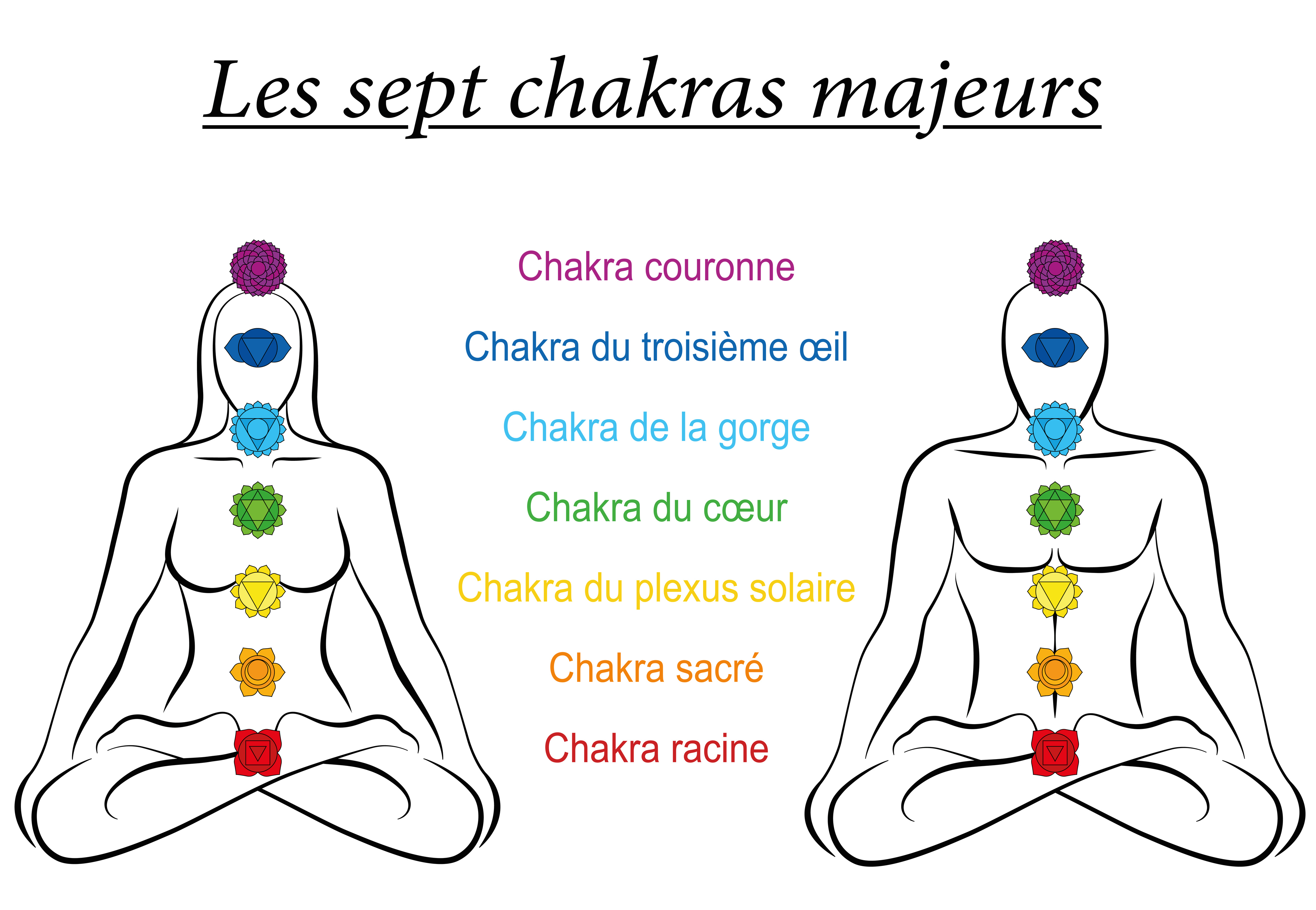
The preferred chakras of beryl stone are mainly the solar plexus chakra, the heart chakra and the crown chakra.
The solar plexus chakra is associated with control, freedom and power. When it is well balanced, it allows for a good self-image. Wearing a beryl stone causes this rebalancing.
The heart chakra defines our ability to love: to love ourselves and to love others. It enables us to create harmonious relationships, and wearing a beryl stone helps encourage this propensity for harmony.
The crown chakra represents wisdom and altruism, and wearing beryl helps balance emotions.
Maintenance, purification and recharging of beryl stone
As soon as a beryl stone arrives in your home, it must be purified and recharged with positive energy. From the moment it is extracted until it reaches your home, this stone has been exposed to all kinds of energies, often negative ones. The following operations should be carried out at least once a month or after intensive use.
Immerse your beryl in spring water for a few hours to purify it. You can also use sandalwood smoke, sage smoke, or a Tibetan singing bowl.
Place your beryl in the light of the rising sun for 1 hour or place it on a quartz cluster or on an amethyst geode for 24 hours.