 Français
 Deutsch
 English
 Español
 Italiano
Yellow Aventurine
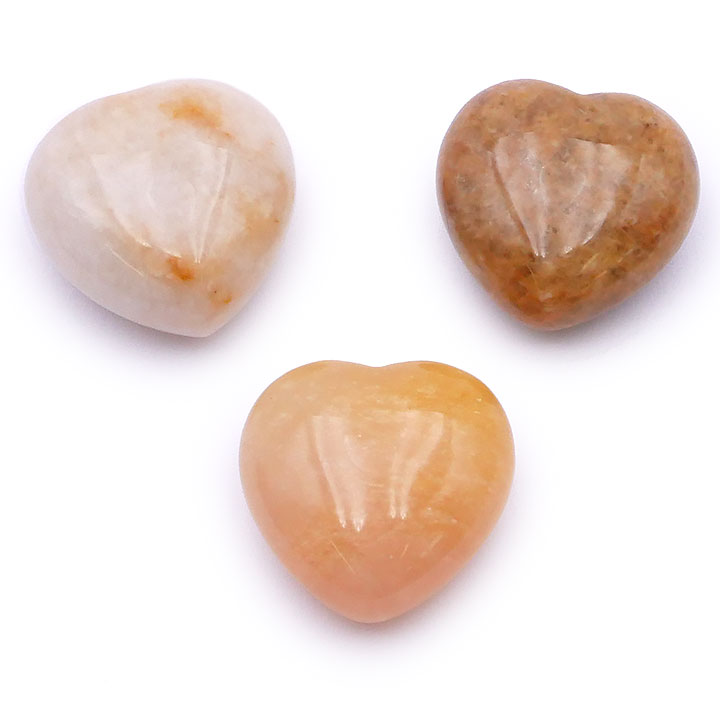
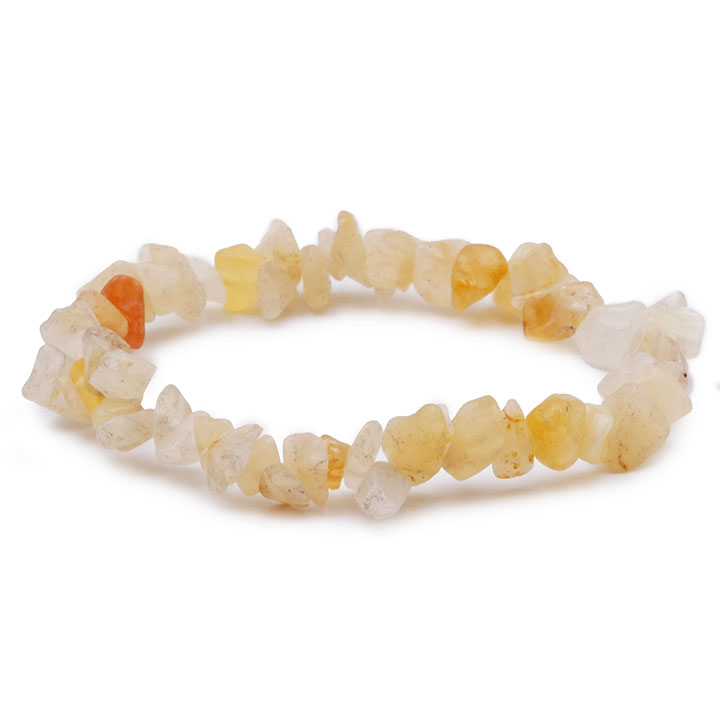
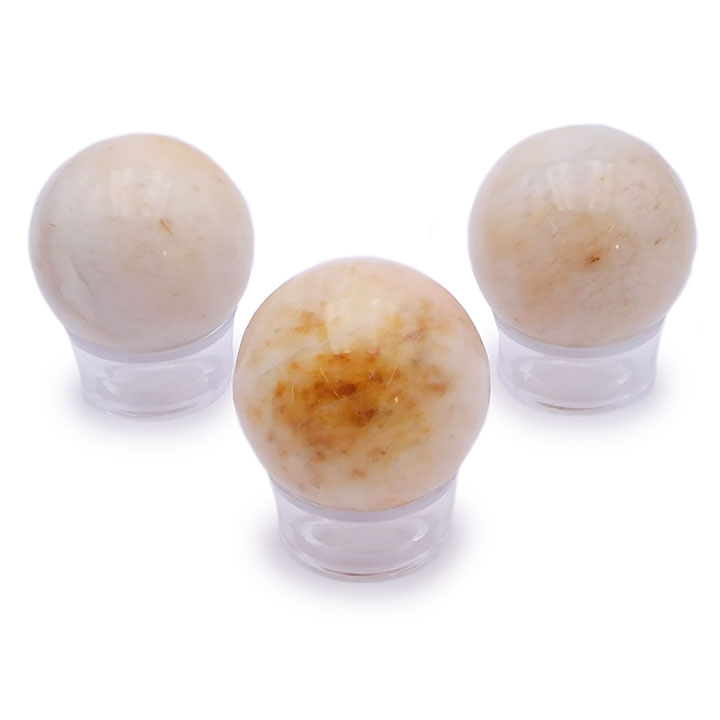
Discover all our products Yellow Aventurine
Yellow Aventurine and lithotherapy
There are not really any legends or stories about Yellow Aventurine. However, we do know that for certain civilizations, it was used to bring good luck and serve as a talisman. Among the Celts, it is a stone of spiritual knowledge and magic. Among the Chinese, it is considered an imperial stone. Then, in the Middle Ages, it was the stone worn by gamblers and therefore a luck stone.
In fact, many beliefs associate this natural stone with good fortune, mental powers or magic.
Like all aventurines, it owes its name to an Italian glassmaker. In the 17th century, glassmakers based in Venice had to leave their workshop because of potential fires caused by the making of glass objects. They settled on the island of Murano. This also allowed them to keep their manufacturing methods secret.
A glassmaker accidentally spilled copper flakes into molten glass. The effect was spectacular, and the glass seemed to shine brilliantly. Thus, the circumstances of this chance discovery gave its name to aventurine stone, derived from the Italian word “per aventura” (by chance).
But be careful not to confuse natural aventurine stone with aventurine glass, made in Murano and flecked with copper, because both exist.
Like rock crystal, aventurine stone is a variety of quartz, with different colors and metallic reflections due to different inclusions. The intense shades of aventurine come from pyrite (a mineral nicknamed “fool’s gold”) or muscovite.
This stone is mainly made up of crystalline granules invisible to the naked eye. This composition is the reason for its varying degree of opacity. Unlike other stones in the quartz family, aventurine has a lower hardness but a higher density. These differences are explained by the presence of mineral or metallic inclusions.
Aventurine is a stone found very often in igneous and metamorphic rocks in all sorts of forms (pebbles, nodules or stalactites).
Yellow Aventurine deposits
The main aventurine deposits are found in Brazil, the United States and China.

The properties of Yellow Aventurine in lithotherapy
Its benefits on the psychological level
Yellow Aventurine, like all aventurines, is a soothing and calming stone. It eases stress, anxiety and worry. It makes relaxation easier, and even meditation.
It brings cheerfulness, enthusiasm, good mood and spontaneity. So, keeping Yellow Aventurine with you gives us daily joy. This stone makes us more patient and calmer.
It is also a protective stone that keeps away negative influences from certain people around us. It encourages us to get through and face difficult moments in our lives. When bad news arrives or during a rough patch, wearing Yellow Aventurine helps us bounce back and react.
Yellow Aventurine gives confidence to the wearer and helps them assert themselves. It gives self-confidence. This stone is recommended for people who have difficulty asserting themselves and making decisions.
It helps people transform their anxiety and negativity into serenity. It is an anti-stress stone that stimulates romantic and professional relationships.
This stone brings optimism and a positive outlook on life, which brings joy of living.
Its benefits on the physical level
Yellow Aventurine promotes the proper functioning of the heart chakra.
Aventurine promotes proper fluid circulation and protects against external pollutants.
It is particularly recommended for athletes.
Yellow Aventurine is a mineral of fertility.
Yellow Aventurine and astrology
Yellow Aventurine is a stone that can be worn by all zodiac signs, but its benefits are heightened for people born under the following signs:
-
Cancer: symbol of family, roots and the mother. This sign has a great imagination and great sensitivity. Wearing Yellow Aventurine helps manage emotions and gives them self-confidence. They are very shy and need to be close to their loved ones to feel truly comfortable. They cannot stand conflict, which prevents them from expressing their creativity. They are very protective and are very caring parents toward their children. In love, they are tender and sentimental. They are looking for a protective partner. Be careful, because they can be very jealous and possessive;
-
Libra: symbol of balance, peace and justice. It represents union, contracts and partnerships. This sign hates loneliness and likes to be admired. It appreciates beautiful things. On the other hand, it tends to always be indecisive, because it hates choosing one side over another. It is known for its kindness and altruism. Wearing Yellow Aventurine gives it this feeling of peace and harmony. It has a very strong sense of justice. In love, this native is highly romantic, always looking for harmony and peace. They hate being alone and choose to marry very early;
-
Taurus: symbol of stability, stubbornness and loyalty. It is a reliable sign, with great patience. It has a very balanced personality, “with its hooves on the ground.” It always takes a long time to think before acting. It likes to build on solid foundations. It hates change and can be very stubborn. Wearing Yellow Aventurine helps develop the ability to overcome life’s challenges. In love, it is constantly looking for tenderness and cuddles. It starts a family relatively early, and can be very jealous. Be careful not to betray it, because it bears grudges for a long time.
Yellow Aventurine and the heart chakra
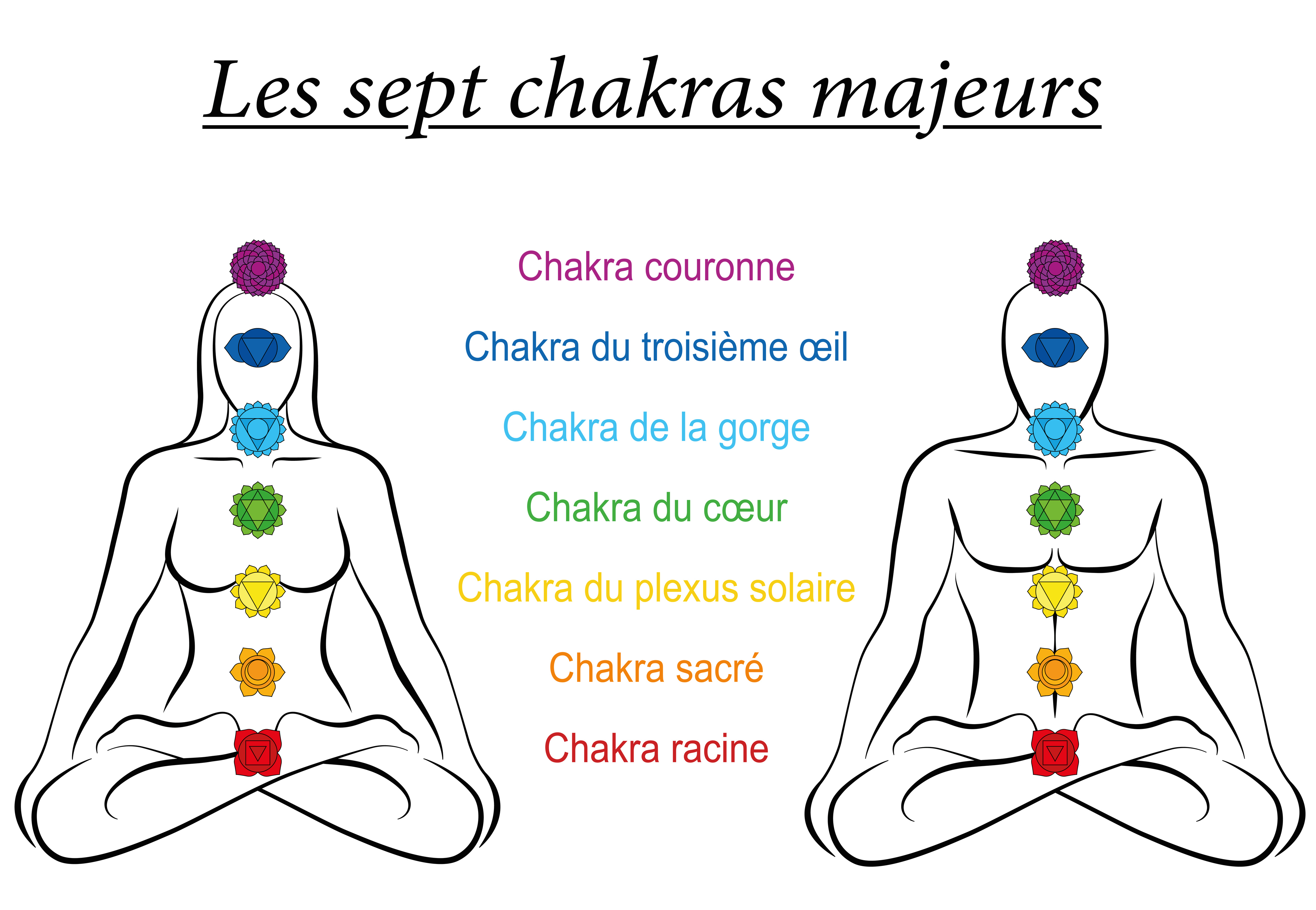
Yellow Aventurine is a stone aligned with the heart chakra. It soothes the mind and gives absolute control over one’s emotions. This heart chakra allows self-acceptance and self-love. It opens our compassion and brings about forgiveness.
Care, cleansing and recharging Yellow Aventurine
When introducing Yellow Aventurine into your living space, it is important to cleanse it. Indeed, during transport to your home, it may have released its positive waves and absorbed negative ones. These actions should be carried out once a month or after an intense session.
Place your stone in spring water to cleanse it for 2 or 3 hours. You can also cleanse it by fumigation or with a Tibetan singing bowl.
Then, you need to recharge it: expose it to the rays of the rising sun for 1 or 2 hours. Be careful not to expose it to the full afternoon sun, as you could damage its color. You can also place it on a quartz cluster or an amethyst geode for 24 hours.