 Français
 Deutsch
 English
 Español
 Italiano
Vesuvianite


Discover our Vesuvianite products
History and legends
Vesuvianite owes its name to the fact that it is found in abundance on the slopes of Mount Vesuvius in Italy. This mineral is a hydroxylated fluorinated silicate of calcium, aluminium, magnesium and iron. It comes in different colours: green, yellow-orange and even violet. It has a tetragonal crystal system.
Vesuvianite can take the form of short or elongated tetragonal prismatic crystals, beautifully formed and sometimes doubly terminated (with two ends, two points on each side of the crystal). Vesuvianite may also be known as idocrase. However, gemmologists prefer to use the name vesuvianite.
As an anecdote, the name “idocrase” comes from the Greek words “eidos” and “krausis”, meaning “form” and “mixture”. This is a reference to its crystals, which are often a mixture of other mineral forms. In 1795, the famous German gemmologist Abraham Gottlob Werner (1749-1817) identified this mineral for the first time. Note: Werner was the mentor of Friedrich Mohs, creator of the hardness scale still used today.
Structurally and chemically, this stone is close to grossular garnet, but its faces are striated. It is therefore sometimes confused with, and even mixed with and associated with, it. It has a hardness of 6.5 on the Mohs scale. For comparison, diamond has the highest hardness, namely 10 on the same scale.
This gives it a fairly high hardness, making it suitable for use in jewellery and for faceting. Its green or yellow shades and its brilliance after polishing make it exceptional jewellery. In addition, it has a translucent or transparent appearance: its brilliance and hardness allow it to rival many gems. Although it may contain some inclusions, its beauty is not diminished.
Sometimes vesuvianite is opaque: it will then be cut into a pear shape, cabochon, egg, sphere, etc. Vesuvianite is not treated in any way apart from cutting and polishing. It is of great interest to collectors looking for its different colours in the best possible quality.
The main deposits are located in the United States, China, Japan, Italy, etc.

The benefits of vesuvianite in lithotherapy
Its benefits on the mental level
Vesuvianite is a stone of balance. It restores balance between the self and others, the ego and the outside world. It allows you to assert yourself without crushing others, to manage your emotions better and to reduce excessive outbursts. It naturally brings people together and is recommended for team leaders and teachers. It helps them gain obedience and respect without having to raise their voice. It develops leadership.
This stone is a powerful shield against harmful energies from those around you, such as jealousy, envy, bitterness and resentment. In addition, it helps combat negative feelings such as excessive shyness, distrust of others, anger and fear. It is an opening stone that facilitates human relationships. It encourages its wearer to reach out to others with confidence. They then show understanding, compassion and empathy.
Vesuvianite brings inner calm, which encourages introspection and reflection and helps in making important decisions. This stone helps you be rather than seem. It encourages loyalty towards those around you, your family and your friends. Its energy brings love and helps overcome life’s difficulties. It can be used to identify certain blockages caused by buried traumas, often linked to childhood.
Its benefits on the physical level
Vesuvianite is a protective stone, particularly against pollution caused by electromagnetic waves.
Placed in a bedroom, it promotes quality sleep. Upon waking, the wearer is full of energy and vitality.
This stone promotes the proper functioning of the solar plexus chakra. It encourages good circulation of bodily fluids.
It is also an anti-stress stone that eases tension.
Vesuvianite and astrological signs

Vesuvianite offers many benefits and virtues, effective for all zodiac natives. However, affinities sometimes develop with certain astrological signs. This is the case for the following signs:
- Taurus: symbol of fertility, stubbornness and loyalty. This sign represents stability, perseverance and abundance. Wearing vesuvianite allows it to assert itself without crushing others, to manage its emotions better and to reduce excessive outbursts. An earth sign, it is connected to nature and food. It carefully weighs each decision and never decides anything on a whim. It has a very balanced personality and enjoys routine. Greatly generous, it likes to share with those around it. Acquiring real estate and land gives it immense pleasure. It is a hard worker who likes to invest. It finds it hard to trust, but when it does, it devotes itself body and soul. However, beware of betraying it, otherwise its anger will be terrible. It does not forgive and becomes very resentful. Stubborn, it is impossible to change its mind. In love, it is possessive, sensual and indulgent. It loves caresses and is very tactile. A seducer, it loves to multiply conquests. However, it aspires to start a family and proves to be very faithful. In the event of betrayal, it will not forgive;
- Sagittarius: symbol of the higher mind, philosophy and religion. This sign represents spiritual evolution, esotericism and optimism. Wearing vesuvianite allows it to naturally bring people together, to gain obedience without having to raise its voice, and to develop its leadership. This sign is naturally optimistic, cheerful and full of humour. It is the sign of long journeys abroad. It loves adventure, is always enthusiastic and knows how to adapt wherever it goes. It has a contagious energy. Straightforward, determined and serious, it knows how to give direction to its life and does not hesitate to work hard. However, it likes a professional activity that leaves it free to move. It is the most independent sign of the zodiac. It hates routine and multiplies its activities. It tends to know everything, to know it all and feels superior to others. Often provocative and insolent, it lacks diplomacy and hates being given advice. It becomes touchy and angry. In love, it is seductive, optimistic and likes to multiply conquests. It sometimes has a very libertine attitude, in search of a thousand pleasures. Then, paradoxically, it seeks true love. On the other hand, it is not ready to sacrifice its freedom. With the years, it becomes more serene and can finally consider marriage;
- Capricorn: symbol of ambition, solitude and maturity. This sign represents social advancement, perseverance and patience. Wearing vesuvianite gives it an inner calm that encourages introspection and reflection, and allows it to be rather than appear. This sign is an early worker. Very young, it knows exactly what it wants to do and will do everything to achieve its goals. It gives up leisure and prefers to devote itself to work. It tends to have boundless ambition and is very hard on itself. It often sets the bar too high and proves incredibly demanding. It is a great loner who needs moments of solitude to recharge. It has very few friends because it keeps distance from others. It has great difficulty trusting. It appears cold, sometimes rigid. However, it is someone reliable who can be counted on. It is often associated with knowledge and expertise. In love, it is wary and has many complexes. It suffers from excessive shyness and prefers to give up on a relationship in order to protect itself. Very proud, it aspires to experience true love. However, it is very difficult to find the way to its heart. With maturity, it gains confidence and finally manages to build a lasting relationship.
Vesuvianite and chakras
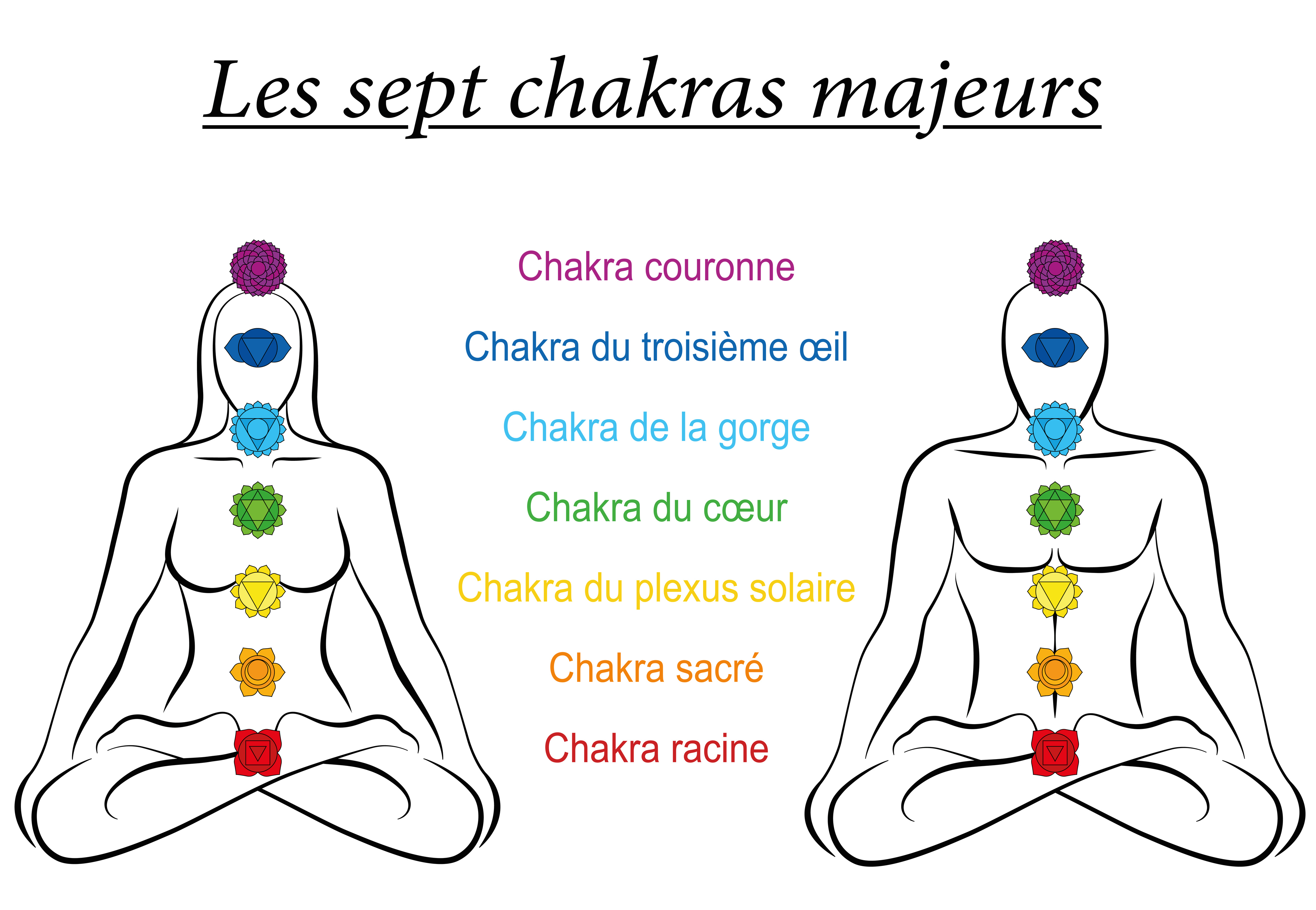
Vesuvianite helps balance the solar plexus chakra. This chakra is located above the navel at the front and at the level of the D11 and D12 dorsal vertebrae at the back. A balanced solar plexus chakra makes a person confident and gives them the will to achieve their goals. The person is cheerful, warm, spontaneous and natural. They like to help their friends and family, with whom they maintain quality relationships. They respect themselves and respect others.
An imbalanced, overactive solar plexus chakra makes the person rigid and vain. They constantly aim for perfection and can easily fly into terrible rages. They may even go as far as hatred, envy and jealousy. The person always wants to control everything and manipulate those around them. They often prove irritable, disrespectful and rude.
An imbalanced, blocked solar plexus chakra makes the person weak and lacking in fighting spirit. They lack ambition, self-confidence and cannot find their place. They show nervousness, excessive shyness and distrust. They struggle to say no and need the approval of others. On the other hand, they do not express themselves and do not release their emotions.
Care, cleansing and recharging vesuvianite
From the moment it is extracted until it arrives in your home, your vesuvianite cannot be cleansed or recharged using the elements of nature such as water, sunlight and earth. Handled many times, it has inevitably come into contact with various energies, both positive and negative.
As soon as you acquire it, it is essential to cleanse and recharge your vesuvianite. The following steps should be carried out as maintenance at least once a month or after intensive use in lithotherapy.
Immerse your vesuvianite in a glass of spring water for about 2 hours. Dry it gently to remove the last impurities and avoid leaving any limescale marks on your stone. For a lighter cleansing, opt for fumigation with white sage or the use of a Tibetan singing bowl.
Recharge it in the afternoon sunlight for 2 hours or place it on an amethyst geode or on a quartz cluster for 24 hours.