 Français
 Deutsch
 English
 Español
 Italiano
Tanzanite

Discover our Tanzanite bracelets and beads
Stories and legend of Tanzanite stone
The name tanzanite was given to this fabulous stone because of the place where it was discovered in Tanzania. It was first mistaken for zoisite, a stone identified in 1805 by A.G. Werner in tribute to Sigmund Zois (1747-1819), a natural sciences specialist.
However, tanzanite's composition is so unique and so clearly defined that it has become a gemstone in its own right. Thus, in 1967, it was given the name blue zoisite. At the time, zoisites were silicates with no value on the jewellery market.
Then the famous New York jeweller Tiffany & Co noticed that this stone, with its high vanadium content, had an exceptional blue. It then named it tanzanite. Thus, tanzanite owes much of its fame to the Tiffany house.
At its core, mineralogically speaking, zoisite is transparent. However, it also occurs in shades of green, yellow, pink, orange and blue. Some hues are due to the presence of chromium and vanadium.
Tanzanite is therefore a variety of zoisite ranging in colour from blue to violet and belongs to the silicate family. It is a calcium and aluminium silicate. Its deep blue comes from heat treatment. It has an orthorhombic crystal system. It has a hardness between 6 and 6.5 on the Mohs scale. Its lustre is vitreous and pearly.
Tanzanite forms in schists, gneiss and amphibolites. It results from the volcanic activity of the Kilimanjaro mountain range. One of its great particularities lies in its trichroism, the ability to change colour depending on its orientation. Depending on the viewing angle, this stone shows blue, red-violet and sometimes bronze.
The discovery
The story of tanzanite is directly linked to a story about the Maasai people. For decades, the Maasai people have considered blue to be a sacred colour. In the past, women, after giving birth, received a blue gift to bring luck to the newborn and prosperity. Today, Maasai chiefs offer a tanzanite to the new mother.
In fact, tanzanite was discovered late, in the 1960s. Following violent storms on the Merelani hills, not far from the famous extinct volcano, Kilimanjaro, lightning struck and started many bushfires on these hills, causing the Maasai herders to flee. When they returned, the Maasai herders discovered with astonishment and amazement many stones of dazzling blue. In fact, these stones were initially nothing more than ordinary brownish-grey pebbles, then they transformed under the effect of heat into superb blue gemstones.
The herders showed their magnificent blue stones to an explorer, who sent them for identification to a gemologist. He sent them to New York to the GIA (Gemological Institute of America). This authority in mineralogy had to admit that it was an as-yet unknown variety of zoisite.
Today, it is said that tanzanite is 1000 times rarer than diamond. This stone is very successful with jewellers and jewellery designers. The most common colour of tanzanite is violet leaning toward blue.
The rarest stones are blue ones and are therefore the most expensive. Some tanzanite sellers use the diamond 4Cs classification to assess the quality of their stones, while others use the A, AA, AAA+ grading scale.
The only deposit is therefore in Tanzania over about 20 km2 on the Merelani hills.

The benefits of tanzanite in lithotherapy
Its benefits on the mental level
An extremely powerful stone, tanzanite radiates gentleness and kindness. Its wearer feels undeniable well-being and calm. They feel serene and at peace.
Moreover, this stone is recommended for students, artists and people in training: it stimulates imagination, artistic creativity, writing, memory and assimilation abilities. It also develops a sense of humour and quick wit.
This stone is the stone of new beginnings: it makes you want to start from scratch, whether professionally or emotionally. It encourages its wearer to train, to broaden their knowledge in order to achieve their goals and to free themselves from an overly routine life.
This stone fosters self-fulfilment. It offers its wearer the opportunity to give the best of themselves. It improves self-confidence for shy and self-conscious people. A stone of blossoming and renewal, it awakens curiosity and the desire to fight for one’s ideas.
Tanzanite gives its wearer eloquence: it allows them to speak fluently and calmly. Their voice is clear and the message gets across well. This mineral stone pushes its wearer to surpass themselves and defend their opinions.
Its benefits on the physical level
Tanzanite, a powerful anti-stress stone, helps the body feel less tense. It therefore reduces nervous tension.
It contributes to the proper functioning of the body in general and promotes healthy circulation of bodily fluids.
Tanzanite is renowned for combating states of intense sadness; it brings dynamism and vitality. Its wearer regains the desire to do things, such as resuming physical activity.
Tanzanite and the associated astrological signs
Tanzanite is a powerful protection stone, with many virtues and benefits that act on all zodiac natives. However, some of its effects are stronger for certain astrological signs, especially the winter signs. This is the case for the following signs: 
- Sagittarius: symbol of intellect, philosophy and religion. This sign represents higher education, long journeys and independence. Wearing tanzanite allows it to achieve self-fulfilment. It encourages giving the best of oneself. This sign is jovial, adventurous and enthusiastic. It loves undertaking long journeys and setting off to discover distant lands. Naturally optimistic, it is very lucky. Enthusiastic, it naturally brings people together and has an innate talent for management. It needs a professional activity that leaves it free to manage its schedule and is not behind a desk. It lives life to the fullest and hates routine. It tends to get involved in many projects, but not to finish them. Warm and cheerful, its company is appreciated. Be careful, however, because it can be hypocritical, often to achieve its professional goals. Provocative and very frank, it tends to lack diplomacy. In love, it idealises its relationships. It has a great deal of charm and seduction. It has a libertine side where it likes to multiply its romantic adventures. Yet it seeks true love. With maturity, it becomes a caring partner;
- Capricorn: symbol of ambition, maturity and perseverance. This sign represents patience, duty and method. Wearing tanzanite reinforces this determination to give the best of oneself. It boosts self-confidence for shy and self-conscious people. This sign is very restrained and often shows frustration. It is associated with knowledge and expertise. Very early on, it knows what it wants to do with its life and puts everything into achieving its goals. It works hard and does not seek entertainment. For it, that is a waste of time. With patience and perseverance, it achieves professional success. It does not shy away from any task. This sign finds it very difficult to trust and open up. It has very few friends and is perfectly content with that. It has a rather cold and rigid image. However, it is tender and sensitive. In love, it is terribly self-conscious and does not let itself go. It is afraid of suffering and would rather miss out on a beautiful story than take risks. Once it finally trusts, it is an excellent partner;
- Aquarius: symbol of the future, modernity and brotherhood. This sign represents friendship, new technologies and space. Wearing tanzanite as a stone of blossoming and renewal awakens its curiosity and gives it the desire to fight for its ideas. This sign dreams of a more equal world, with knowledge widely shared. It tends to have utopian ideas, bordering on revolution and anarchy. It has a very idealistic view of life where all differences would be accepted. It has plenty of ideas for reforming the world, but never puts them into action. Freedom is essential to its happiness. It has very developed intuition and is rarely wrong. It can be blunt, intolerant and proud. Boredom is its worst enemy and it always needs to be fully committed to a project. It is convinced that it is always right and does not know how to question itself. In love, it does not seek passionate stories or tumultuous love, but rather a relationship where each person feels free. It needs an independent and self-sufficient partner. It prefers a civil union to marriage.
Tanzanite and chakras
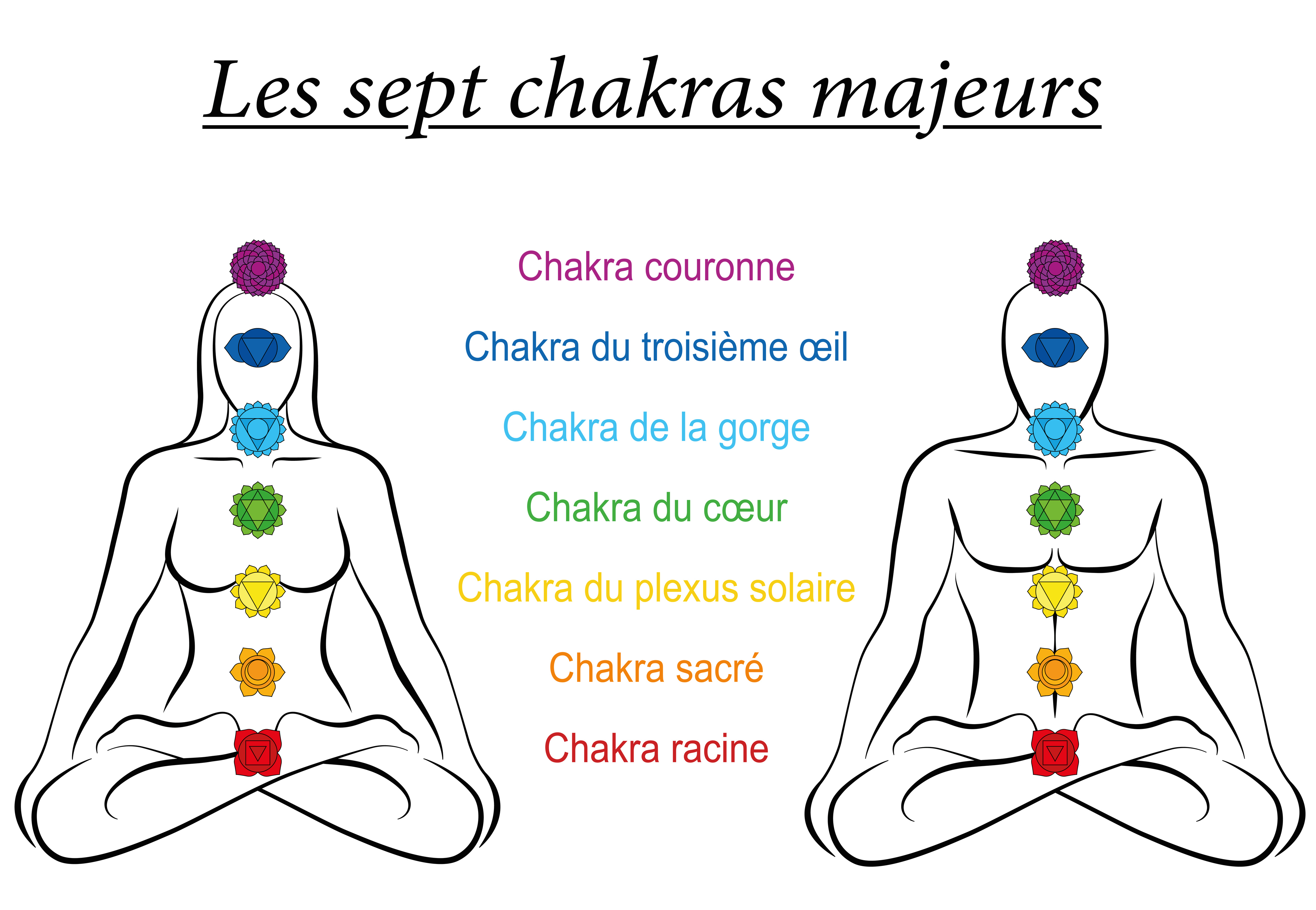
Tanzanite helps balance the throat chakra. It is located at the throat, the vocal cords and the bronchi. When well balanced, it allows one to analyse and understand one’s feelings and emotions.
The person can express themselves freely and is comfortable with their emotions. They have pure relationships with others and show a great deal of diplomacy. They communicate sincerely, which allows them to give and receive. Their voice is fluid and harmonious.
An imbalanced throat chakra, too open, leads to a lack of self-confidence. The person is shy and very fearful. They cannot express their emotions. They may be sarcastic and mean. They are convinced they are always right.
An imbalanced, blocked throat chakra prevents the person from expressing themselves freely. The person is always afraid of what others think. Their speech is incomprehensible, and their words are sometimes vulgar and crude. The person is often stressed and nervous.
Care, cleansing and recharging of tanzanite
From extraction to your home, your tanzanite cannot be cleansed or recharged using the elements around it such as the sun, water or earth. Handled many times, your stone has inevitably come into contact with various influences, both negative and positive. As soon as it arrives in your home, it is essential to cleanse and recharge it.
The following actions should be carried out as maintenance at least once a month or after a lithotherapy session. Immerse your tanzanite in a glass of spring water for 2 hours. Dry it gently with a soft cloth: make sure to remove all remaining impurities. For a gentler cleansing, use white sage smudging, or a Tibetan singing bowl.
Recharge your tanzanite in the rays of the full moon or place it in an amethyst geode or on a quartz cluster for 24 hours.