 Français
 Deutsch
 English
 Español
 Italiano
Rhodonite


Find our Rhodonite products
Rhodonite
Rhodonite is a beautiful mineral belonging to the silicate group and the pyroxenoid family. Its main components are manganese and silicon, with inclusions of iron, magnesium and calcium. Depending on the elements present in its composition, rhodonite can come in various shades such as grey, brown or pink. This stone can sometimes be deep red.
Red-pink in colour, it is translucent and rarely transparent. Its lustre is glassy and pearly, and its cleavage is perfect. Rhodonite forms during the metamorphism of sedimentary manganese ore deposits. This process gives it its beautiful pink colour with the natural oxidation of the black manganese dioxide veins caused by heavy rain.
It has a hardness of 5.5 to 6.5 on the Mohs scale, which gives it a medium hardness. By comparison, diamond has a hardness of 10, the highest hardness on the same scale. This stone is found in prismatic or tabular form, arranged in granular and massive aggregates. It is found in metamorphic rocks or hydrothermal deposits.
This pink stone forms through a contact metasomatism reaction, a geological process in which one mineral is replaced by another within the same rock, atom by atom, molecule by molecule. This process thus creates a new variety of mineral.
In 1820, this stone was first identified by the German chemist and geologist Friedrich August. Its etymology is linked to the colour of the stone and comes from the Greek rhodon, meaning pink. This same root is used for another stone, rhodochrosite, a pale pink stone with white patterns. Furthermore, rhodonite belongs to the garnet group, whereas rhodochrosite is a calcite.
There are no particular legends or myths associated with rhodonite. During archaeological excavations, amulets and other rhodonite jewellery dating from Ancient Greece were found. This stone was said to protect its wearer from attacks by criminals or severe weather.
A symbol of protection and affection, this pink stone was given to loved ones to express feelings of goodwill.
In the 19th century, this stone was greatly admired in Russia. As a small anecdote, Tsar Alexander II, Emperor of Russia from 1855 to 1881, became widowed in 1880. Upon the death of his beloved wife, he decided to have a tomb built entirely from a huge 40-ton block of rhodonite. She adored this magnificent pink stone. It was the largest block of rhodonite ever found in the world. It took more than 15 years to complete this pink tomb.
Today, rhodonite can be found in museums, palaces, and even in a metro station in Saint Petersburg. Vases, basins and columns have been covered with this fabulous stone. Rhodonite was also used to decorate buildings. It is currently used in jewellery making and in lithotherapy.
Deposits
The various deposits are located in Madagascar, Brazil, Australia, etc.
The properties of rhodonite in lithotherapy
Its virtues on the emotional level
Rhodonite combines the soothing properties of pink and the protective virtues of its black veins. Thus, it is a stone of protection against negative emotions such as jealousy, frustration and anger. It keeps away harmful romantic relationships that are too excessive, those that are too controlling.
By repelling these negative energies, rhodonite develops quality communication. It untangles conflicts and unspoken words, especially within siblings. It encourages reconciliation. It thus helps face life's ups and downs with serenity, strength and kindness.
This stone soothes people who are too emotional, nervous, stressed and suffering from unhealthy shyness. It brings open-mindedness, teaching listening to others, compassion and tolerance. Rhodonite helps with forgiveness, first towards oneself and then towards others. It gently leads to understanding and brotherhood.
This fabulous mineral also helps overcome emotional blocks and traumas linked to the past. It gives the strength to face a painful past or a bad experience. It can also be recommended for couples who need to strengthen their relationship and build trust. In addition, rhodonite makes you aware that resentment and revenge are not solutions. It encourages forgiveness.
In conclusion, rhodonite helps resolve conflicts, heal emotional wounds, communicate constructively and love oneself. It also generally makes forgiveness easier and helps you move on.
Its powers on the physical level
Rhodonite promotes good circulation of body fluids and significantly reduces the sensation of heavy legs. It is an anti-stress stone, helping reduce nervous tension, skin reactions and digestive issues.
It is said to strengthen the immune system and help our body fight attacks from various viruses alongside medical treatment.
This stone is recommended for students during exam periods to help them manage stress and improve concentration.
Place rhodonite in a bedroom and it will promote high-quality, restorative sleep without nightmares. It brings vitality upon waking.
Rhodonite and zodiac signs
Rhodonite has powerful virtues that work on all zodiac natives. However, some astrological signs have a special affinity with the stone. This is the case for the following signs:

-
Gemini: symbol of communication, exchange and curiosity. This sign represents movement, study and the mind. Wearing rhodonite softens it and helps it better manage its shyness and anxiety. Yet it is a real entertainer who is always in a good mood. Its company is pleasant and sought after. It is charming, talkative and amusing. It is curious and always seeking to learn. It behaves like a perpetual student. It multiplies talents and skills, but rarely sees things through to the end. It loves new technologies and is forward-looking. It is always on the move and has difficulty staying still. It has a great ability to adapt and can feel at ease in any situation. But beneath its superficial and carefree appearance, it hides an anxious nature and deep worries. A lover of change, it enjoys travelling the world. Highly optimistic, it always manages to see the bright side of things. In love, it is light, attractive and full of humour. It likes to have multiple conquests and they never last long. It values freedom too much. Yet it is very romantic and believes in love at first sight;
-
Libra: symbol of justice, balance and peace. This sign represents harmony, contracts and elegance. Wearing rhodonite encourages its interest in others, its compassion and empathy. This sign hates being alone. It likes to be looked at and admired. It has a flair for dance and loves moving through social circles. It hates conflict and is an excellent mediator. It cannot stand arguments and does everything possible to smooth things over. This sign shows a great deal of elegance and refinement. It detests dirt and vulgarity. It always aims for perfection. It can be vain and superficial. However, it is also very altruistic. Its kindness is legendary and it genuinely seeks to help others. Beneath its smiling exterior, it has plenty of resolve and determination. It likes to please and wants to organise its life around beauty and chic style. In love, it longs for peace and quiet while seeking harmony. A sign of partnership and marriage, it hates being alone and will do everything to make its relationship perfect. Be careful not to lose authenticity;
-
Aquarius: symbol of the future, science and modernity. This sign represents utopia, originality and space. Wearing rhodonite helps it face life's ups and downs and encourages reconciliation. This sign dreams of a fairer and more equal world. Its outlook on life is very idealistic, even utopian. It dreams of abolishing hierarchical systems and can even be anarchist. Freedom is essential to its happiness and it cannot bear to lose it. This sign has very strong intuition that rarely misleads it. Its first impressions are often the right ones. This sign is hyperactive and tends to develop many projects, which unfortunately it does not carry through to completion. It lives in its thoughts and its mind bubbles with revolutionary ideas. Paradoxically, it is often blunt, proud and authoritarian. It hates routine and loves surprises and the unexpected. In love, it does not let go easily. It has difficulty trusting and avoids overly passionate relationships. It likes things to unfold calmly. It prefers a love story based on friendship. It needs to keep its freedom, and its partner must be completely independent.
Rhodonite and chakras
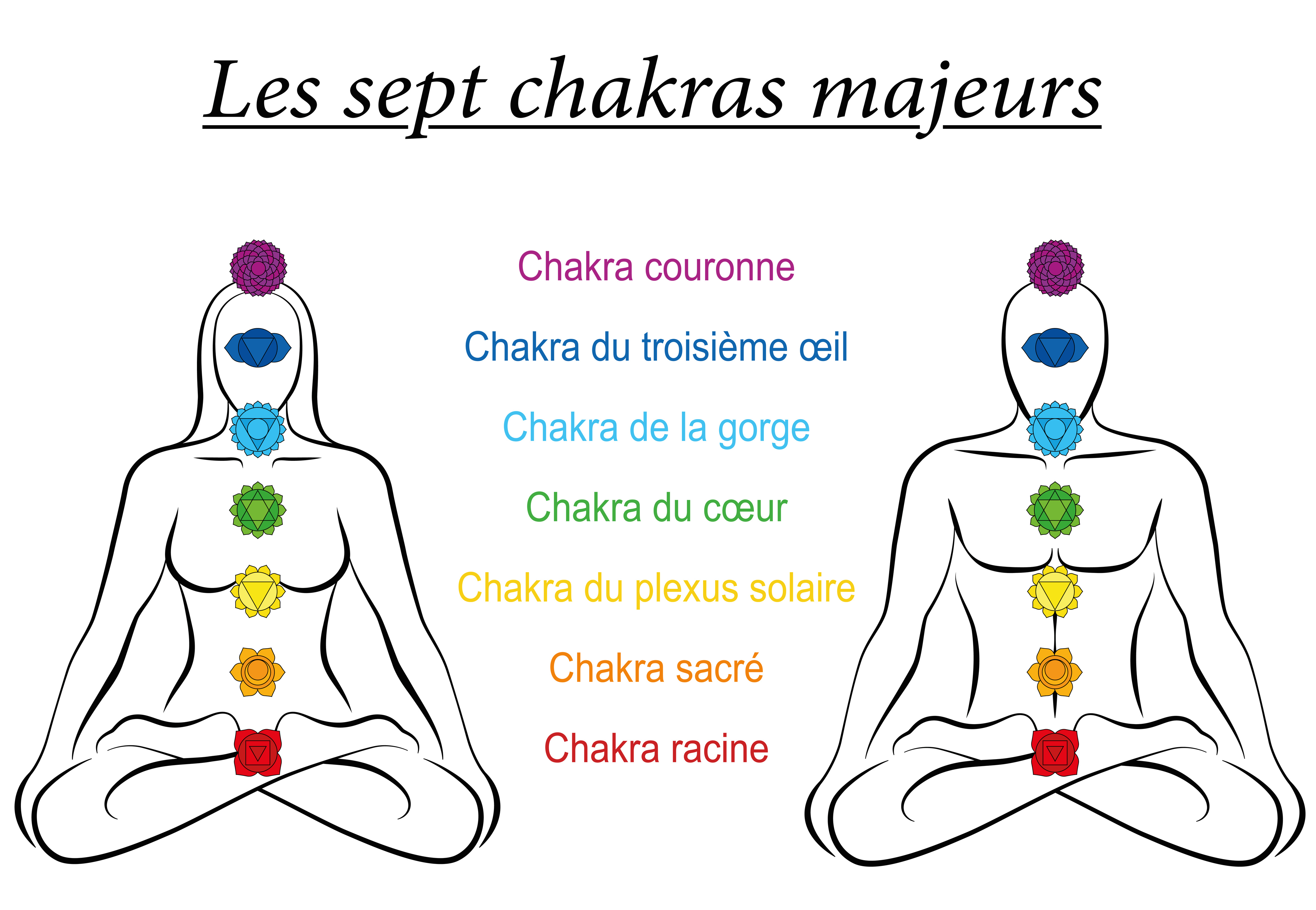
Rhodonite helps balance the root chakra. This is located at the base of the spine. Its main function is to anchor and ground the person. A balanced root chakra creates a state of well-being. The person feels good, safe, and firmly grounded on earth. They are filled with physical vitality. They are centred and have great self-control.
An imbalanced, overactive root chakra makes the person concerned with survival. They are very afraid of lacking anything. They can be hurtful, selfish and authoritarian. They may even become violent and angry. They accumulate all kinds of objects and money. In addition, the person abuses tobacco, alcohol and drugs.
An imbalanced, underactive root chakra makes the person anxious and worried. They are always very afraid for their survival. They constantly think about death and lack of money. They imagine that they will be abandoned, that they will lose their job. They live in constant stress and anxiety. They suffer from a huge lack of self-confidence, are ungrounded and cannot concentrate.
Recharging rhodonite
Since extraction, your rhodonite cannot be purified or recharged using the elements around it such as earth, sun and water. In addition, it has been handled many times and has inevitably come into contact with harmful influences.
As soon as it arrives in your home, it is essential to purify and then recharge your rhodonite. The following operations should be carried out for maintenance at least once a month or after a lithotherapy session.
Place your rhodonite in a glass filled with spring water for about 3 hours. Dry it gently with a soft cloth to remove any remaining impurities. For a lighter purification, use white sage smudging, a flower of life or a Tibetan singing bowl.
Recharge it in the morning sunlight for 2 hours or place it in an amethyst geode or on a quartz cluster for 24 hours.