 Français
 Deutsch
 English
 Español
 Italiano
Jade of China
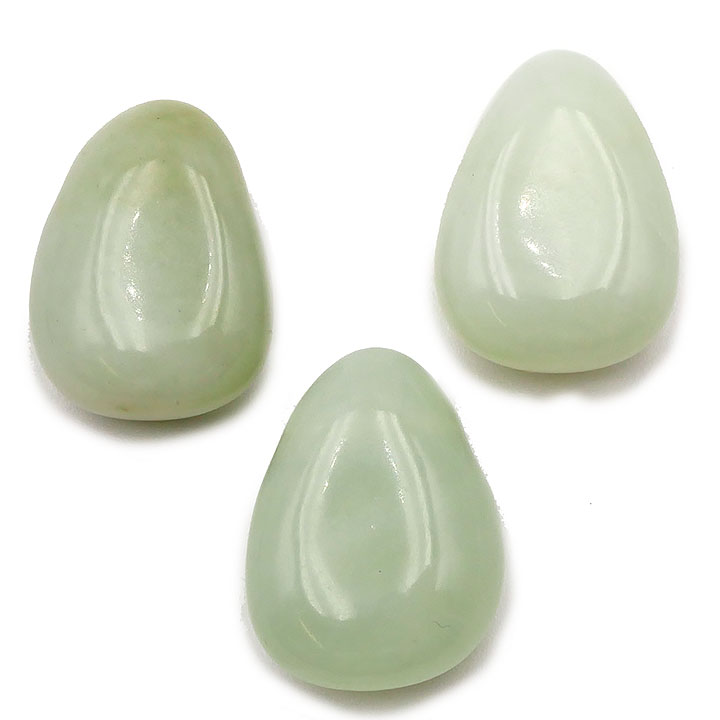
Discover our Chinese Jade stones and products
The Chinese Jade
This magnificent stone, most often known for its green colour, received its name from the conquistadors in the 15th century. They had named it “piedra de ijada”, meaning “stone for the flank”. The flank refers to the iliac fossa, in reference to Native American legends that said jade cured the kidneys and kidney colic. It was also believed to have the power to ward off evil spirits.
This stone, with a hardness between 6 and 7 on the Mohs scale, is commonly used depending on its variety for carving decorative objects or in jewellery. Under the name jade, there are actually three kinds of minerals. Their differences lie in their composition, however, they look very similar. These are jadeite, nephrite and kosmochlor.
In 1863, Alexis Damour, a French mineralogist, distinguished two mineral specimens under the name jade. He called the first “jadeite” and the second “nephrite”, from the Latin “lapis Nephriticus” or “stone of the flank”, again in reference to the Native American legend. In 1897, the German mineralogist Hugo Laspeyre observed a third variety: kosmochlor, from the German “kosmischle” meaning “cosmic” and “Khlôr” designating the green colour. In fact, this mineral comes from a meteorite that fell in Toluca, Mexico.
The main minerals that make up jade are therefore nephrite (composed of calcium and magnesium silicate) and jadeite jade (composed of sodium and aluminium silicate). Although jadeite is often associated with green, there are many other colours, including white, black, pink, blue-green, dark green, black-green, blue, emerald green, lavender, red and orange. Completely pure jade is white; it is the presence of impurities or inclusions (titanium, manganese, chromium, iron) that gives it these colours.
Nephrite jade ranges from creamy white to dark olive green, brown or black. It has a surface that appears to be coated with a smooth, light polish. In China, jade has always been considered a precious stone, or “the imperial stone”. The two minerals making up jade, jadeite and nephrite, have been mined in different ways. Nephrite has been known and used in ancient China for millennia. On the other hand, a jadeite deposit was mined in Burma in 1800. From that moment on, Burmese jadeite became the preferred form of imperial jade.
While in the West, diamonds, rubies and emeralds were the precious stones worn by the nobility, in China high-ranking figures wore nephrite jade stones as a symbol of wealth.
Around 4,000 years ago, jade was used to make weapons, everyday objects such as cups, plates and even buttons, as well as decorative or ritual objects. The Egyptians offered jade to their goddess of justice, Maât. The Celtic people of Ireland depicted their goddess of femininity, Brigit, in jade stone.
The Greeks associated jade with the Moirai, the three goddesses of fate, who accompanied humans from birth to death. They used jade's healing properties to treat eye conditions, snake bites, insect bites and stomach aches.
For the Romans, jade was associated with the goddess of the earth and fertility, Bona Dea.
But it is in China that jade has the most legends, symbols and medicinal uses. It represented the emperor's absolute power. He owned a jade sceptre and each of his five princes had a jade tablet. Every year, a ceremony took place and the emperor took back the tablets. If he wished to keep his princes, he returned the tablet to them. But he could also take them back and give them to other princes. In Chinese mythology, jade symbolised the dried sperm of a dragon. A jade cicada was placed in the mouths of wealthy deceased people, thus preventing decomposition and promoting reincarnation.
Deposits
The main jade deposits are located in China.

The virtues of Chinese Jade in lithotherapy
Benefits on a psychological level
Chinese jade is a stone of abundance that brings prosperity to its wearer. It makes it easier to open up to others by encouraging compassion, constructive exchanges and empathy. It therefore fosters understanding and acceptance of oneself and of others.
Chinese jade fights nervousness, stress and negative energies such as anxiety, worry and lack of self-confidence. It promotes optimism and well-being. This stone fosters honesty and instils a sense of justice.
It is a stone that makes introspection easier and helps understand certain buried feelings of guilt. In this way, it brings reassurance and makes it possible to approach life with far fewer inhibitions. It helps you refocus and listen to your inner voice. It is a stone that develops intuition.
Chinese jade soothes negative tension and anger. When there are difficulties or misunderstandings with one's child, it can encourage dialogue and communication in order to find a solution.
A stone of justice and morality, Chinese jade is often worn during negotiations, whether commercial or personal. It guides one towards wisdom and legitimacy. It helps to detach from the judgement of others and to temper one's words. This stone gives the courage to face life's difficulties with serenity and conviction.
Its physical properties
Jade has an unusual property: it calms people who tend to make compulsive purchases. It frees them from the guilt that appears after spending too much.
Jade supports the proper functioning of the root chakra.
This green mineral makes it easier to drink water regularly throughout the day.
Chinese jade and associated astrological signs
Chinese jade has benefits for all zodiac natives. However, it is particularly effective for the following signs:

-
Aries: symbol of action, drive and enthusiasm. This sign represents leadership, command and boldness. It does not hesitate to take on every challenge with the goal of finishing first. It loves competition and verbal sparring. Wearing Chinese jade strengthens its honesty and loyalty. This sign is straightforward; it tends to say what it thinks without considering the consequences. It shows dynamism and ardour and therefore has very little patience. It sometimes acts on impulse. This sign likes to earn money because it loves to spend it. In love, it ignites quickly and experiences many love-at-first-sight moments. It finds it hard to say no and enjoys discovering other people. However, with maturity, it will seek stability and form a solid couple;
-
Gemini: symbol of communication, exchange and writing. This sign represents the mind, higher education and commerce. Wearing Chinese jade strengthens honest relationships and is very useful in negotiations. Its company is often sought because it is funny, witty and charming. This sign is always up to date with technological advances. It looks to the future. It also tends to behave like an eternal student who often needs stimulation. Always on the move, it has trouble finding stability. It loves travelling and discovering new places. By nature optimistic, it tends to put everything into perspective. In love, it likes to seduce and flit from one flower to another. In its youth, it enjoys collecting conquests. As the years go by, it will become more serious and may start a family;
-
Pisces: symbol of infinity, mystery and religion. This sign represents many artistic gifts, the unconscious and sacrifice. It enjoys social events and likes being admired. It often has a special gift for music. Wearing Chinese jade encourages openness to others and brings high-quality relationships. This sign is idealistic and does not fail to stand out. It often wears eccentric outfits, but with excellent taste. It often retreats into a gentle world where it feels safe. This sign is very generous. In love, it can either surrender completely or, on the contrary, be the one in control. It tends to undervalue itself and suffers from an inferiority complex. As soon as it finds the partner who reassures it, it can finally gain confidence.
Chinese jade and chakras
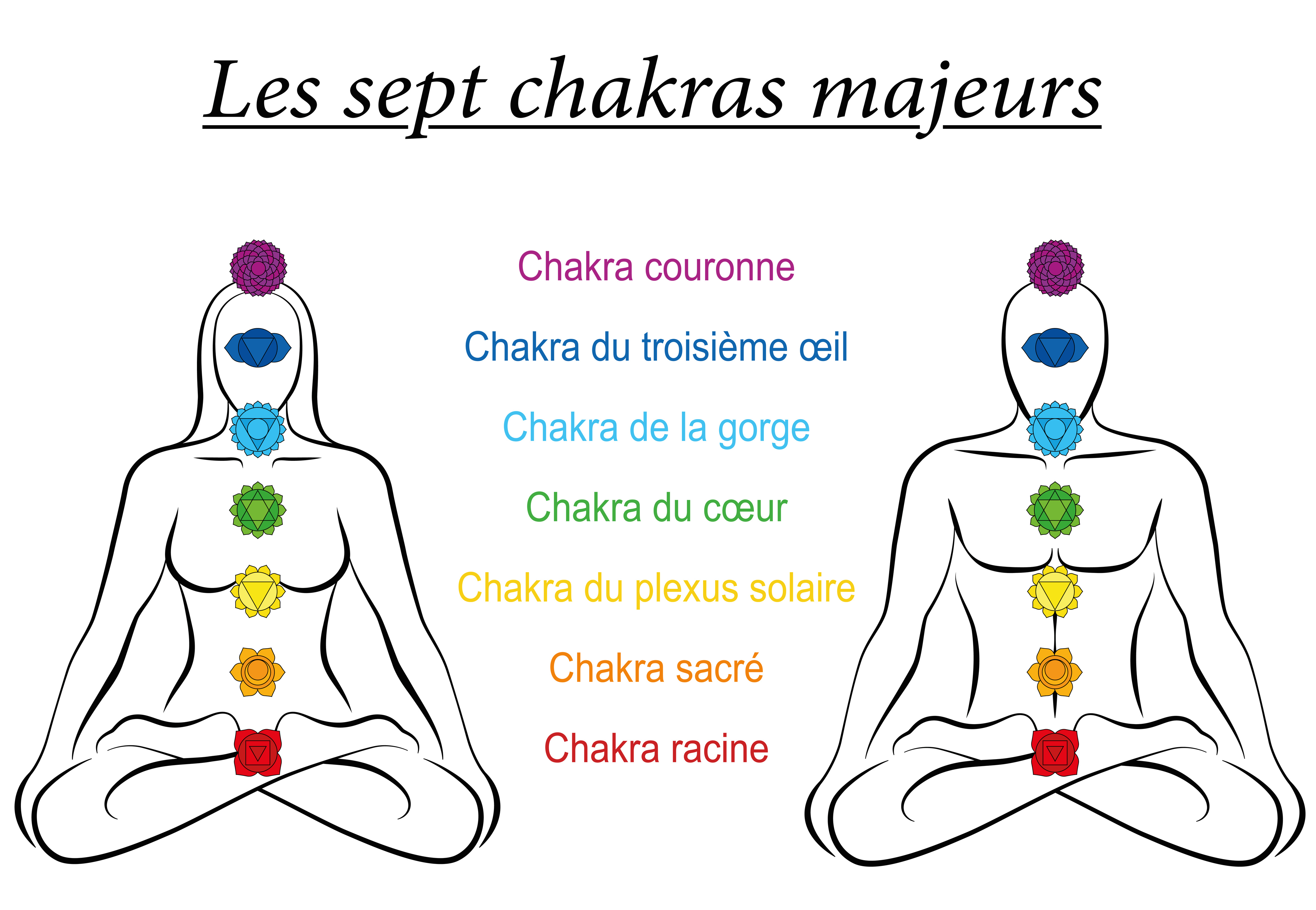
Chinese jade particularly harmonises the third eye chakra, located between the eyebrows. When this chakra is balanced, it enables a person to see reality and discover deceit and illusions. The qualities strengthened by working on this chakra are wisdom, discernment, imagination and intuition. This chakra opens the way to knowledge, concentration and positivity. In fact, dreams and visualisations take place in this chakra. The mind suddenly appears with a clarity free of doubt. Everything that happens in life is a cause and effect. Everything is linked in the flow of life.
Caring for, cleansing and recharging Chinese Jade
In its natural environment, Chinese jade cleanses and recharges itself with spring water and the natural elements around it. But when you bring your Chinese jade into your home, it must be cleansed and recharged. In fact, from the time it is harvested until it reaches your home, your stone has been in contact with various energies. It may have lost some of its effectiveness.
Place your Chinese jade in a transparent glass filled with spring water. Put this glass on a plate filled with sea salt for 2 or 3 hours. This cleansing is the most powerful, but you can also use other smoke-cleansing techniques for maintenance. There is the method of cleansing using white sage smoke, burying it in the earth or placing it in a Tibetan singing bowl.
Chinese jade is recharged by exposure to moonlight or by placing it on a quartz cluster or in an amethyst geode for 24 hours.