 Français
 Deutsch
 English
 Español
 Italiano
Epidote

Discover all our Epidote stones
Epidote
Epidote is a mineral that has no particular legends attached to it. This mineral was discovered and identified by the mineralogist René Just Haüy (1743 - 1822) in 1801. He described it scientifically in his book Traité de minéralogie. He found the first specimens in Isère, in Bourg d’Oisans.
The name “epidote” comes from the Greek “epidosis”, meaning “that which has been increased”. This is because the base of the rhombohedral prism has one side longer than the other.
Epidote belongs to the large silicate group. This stone contains calcium, aluminium, iron and silicon. This mineral is characteristic of regional and contact metamorphism. For the record, metamorphism is the set of mineralogical and structural transformations undergone by rocks. In fact, it involves changes in temperature, pressure, the nature of fluids and chemical composition. Epidote is found in metamorphic and hydrothermal rocks, notably in sedimentary rocks such as limestone.
This mineral occurs in the form of elongated prismatic crystals, with faces showing deep longitudinal striations. These crystals end in needle-like or rod-like tips. They can also appear as tablets or flakes. Some of these crystals can reach a length of 35 cm. Epidote is also found in massive, fibrous, radiating aggregates, etc. It was long mistaken for tourmaline.
Different kinds of epidote are listed, some of which are very rare. For example, tawmawite is a chromium-rich epidote species from the Tawmaw mines in Burma. By contrast, withamite is a variety of rock rich in manganese, and there is also pistacite, a microcrystalline rock with a pistachio-green colour.
Epidote can come in different colours such as green, from light to dark, yellow-green, brown, grey, light red, black, and more rarely colourless. Green is the most common colour of epidote. It is transparent to opaque, usually translucent. It has a hardness of 6 to 7 on the Mohs scale.
Epidote is one of the gems used as a fine stone in jewellery and lithotherapy. It is used to make jewellery or is sold in the form of tumbled stones or crystals. In addition, its hardness makes it resistant to impact. Gem-quality crystals are highly prized by collectors.
The green epidote deposits
The main deposits are located in South Africa, Brazil, France, Portugal, etc.

The virtues of epidote in lithotherapy
Its psychological properties
Epidote helps you visualise events more clearly, analyse them better and manage them more effectively. It helps you properly assess the difficulties encountered so you can overcome them. It is a stone of emotional stability. It soothes the mind and frees it from fears, anxiety and worries. It teaches you to make the right choices and to turn towards the things that do you good.
This stone gives a great deal of courage, sometimes to take the plunge and move on. It brings serenity, strength and self-confidence. It encourages self-worth by providing better self-esteem.
Epidote creates an understanding of certain blockages linked to the past that prevent you from moving forward. This mineral is excellent for people who have the unfortunate habit of feeling sorry for themselves. It gives them the strength to react and pull themselves out of their lethargy so they can move forward. In this way, it drives away states of intense sadness in order to reach happiness. This stone also comforts heartbreak and helps put things into perspective.
This mineral encourages high-quality relationships with others. It helps control negative words that can lead to conflict. The urge to criticise others is kept in check and leads to good communication. As a result, relationships with others will be much smoother, more pleasant and more respectful.
Its physical benefits
Epidote promotes the proper functioning of the solar plexus chakra.
This stone helps strengthen the body in general. It is known to combat stress and the disturbances it causes.
The meaning of epidote in astrology
Epidote is a mineral with many benefits that act on zodiac natives. However, it is particularly effective for the following signs: 
-
Gemini: a symbol of communication, movement and intelligence. This sign represents studies, writing and the mind. Often associated with adolescence, it is charming, pleasant and witty. Its company is often sought after. Wearing epidote is particularly suitable for this sign. Indeed, it hides an anxious and worried nature. Epidote helps it regain self-confidence and fight its fears. This sign always needs spiritual and intellectual stimulation. It often has many skills in all kinds of disciplines. It enjoys verbal sparring and loves being the storyteller of many anecdotes. Be careful, because sometimes it can turn out to be a fantasist. In love, it is very charming and loves to seduce. Its conquests can be numerous, because it is very afraid of commitment. It dreams of mad love and it is with age that it will find emotional stability;
-
Virgo: a symbol of method, organisation and perfection. This sign represents logic, work and criticism. Wearing epidote helps it free itself from shyness and anxiety. It helps it gain confidence. This sign is often linked to medicine, cleanliness and safety. It is obsessed with household tasks, tidying up and order. Often very ingenious, it likes to help and its logic works wonders. It gives off an air of coldness in order to hide its shyness and anxiety. It is always seeking perfection and systematically criticises itself. It is often very hard on itself. In love, it is extremely modest and very demanding with its partners. It is quick to criticise and sorely lacks romance. If it marries, it is more out of interest than love. But as a general rule, it prefers solitude ;
-
Libra: symbol of justice, balance and peace. This sign represents harmony, elegance and great sociability. Wearing epidote encourages this sociability and creates high-quality relationships with others. It hates solitude and needs to be appreciated for its different talents. It also has many artistic gifts, whether in music or dance. This sign is often vain and likes to be fashionable. It hates vulgarity and neglect. This sign is known for often being indecisive. It hates having to choose one over the other. So it will do everything possible to resolve problems gently and always with great kindness. In love, this sign is romantic and seeks perfect harmony. It hates being alone and chooses marriage early. It aims for perfection and will do everything to achieve it.
Epidote and chakras
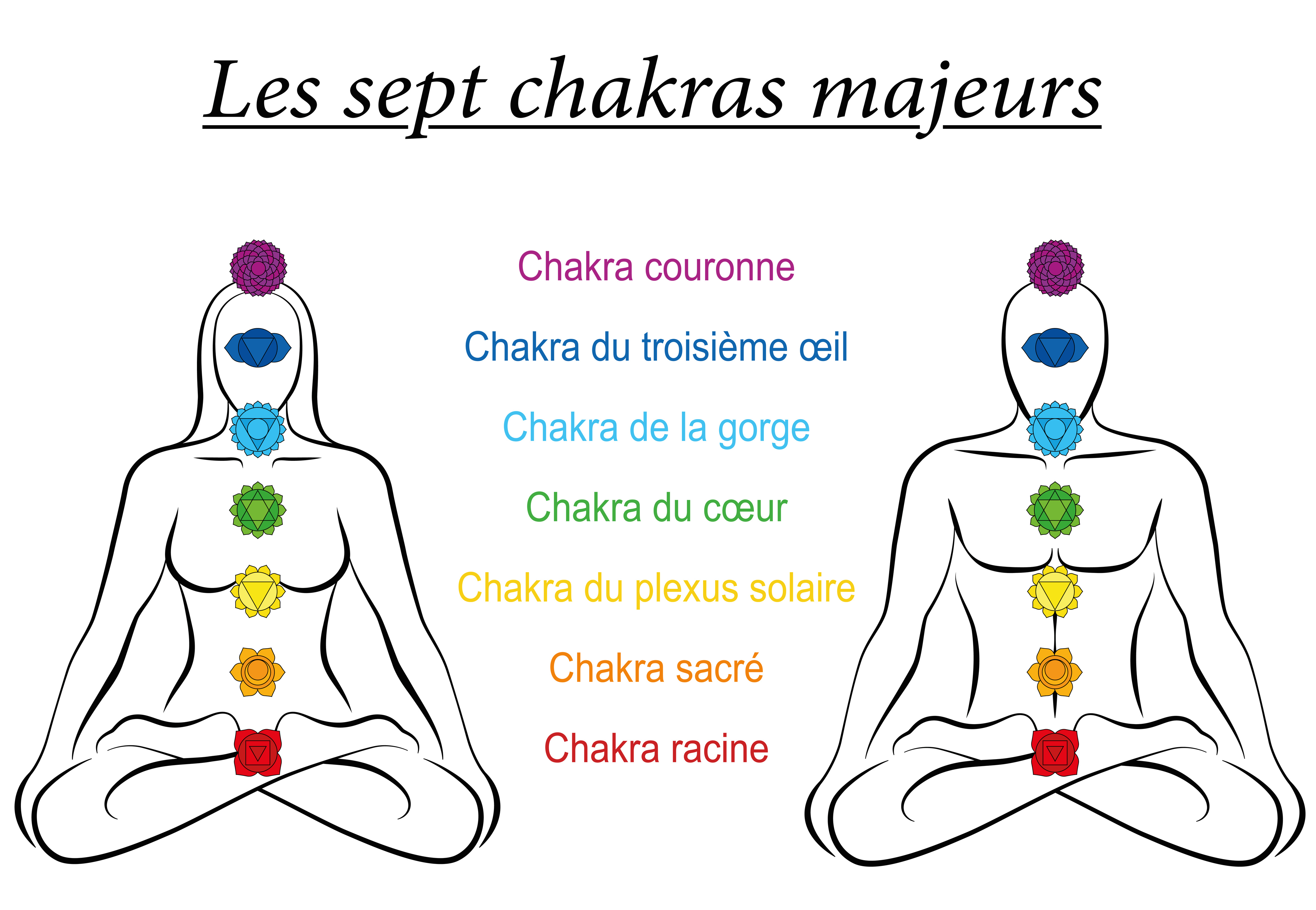
Epidote is an ideal stone for balancing and harmonising the heart chakra. It helps you recover from heartbreak and promotes detachment. It dispels feelings of sadness, disappointment and grief.
It encourages new beginnings. It promotes good self-esteem and restores courage in order to develop new projects. A balanced heart chakra allows self-acceptance, compassion and forgiveness.
Maintenance, cleansing and recharging of epidote
As soon as you buy your epidote, you should cleanse and recharge it. The following steps should be carried out as soon as your stone arrives in your home. Indeed, since its extraction, this stone has been in contact with many energies, both positive and negative.
Immerse your stone in a glass container filled with spring water. Avoid contact with salt. Dry it gently with a soft cloth. You can also cleanse it with smoke or in a Tibetan singing bowl.
Expose your stone for 2 or 3 hours to the rays of the morning sun or to moonlight. You can also place it on a quartz cluster or on an amethyst geode for 24 hours.