 Français
 Deutsch
 English
 Español
 Italiano
Emerald


Discover our natural emerald products
Emerald
The four precious stones, diamond, ruby, sapphire and emerald, are stones of exceptional beauty. The origin of the name emerald comes from the Persian “zamarat”, then from the Latin "smaragdus", meaning “green precious stone”. This magnificent stone belongs to the beryl family (from the ancient Greek “beryllos”, meaning “crystal the color of seawater”). Its wonderful green color has made it a highly sought-after and coveted stone for millennia.
Extremely specific conditions were needed to allow emerald to form, which explains its rarity. Emerald belongs to the mineral group of silicates. It is mainly composed of beryllium, chromium, iron and vanadium. Yet these components are not found in the same layers of the Earth. Beryllium comes from the Earth's magma and the other components come from the Earth's mantle. The meeting happens through bubbles of magma that rise up to the mantle. The concentration of these components is the source of the many shades of green.
The finest emeralds are those that are fully transparent, with a deep, intense green. Emerald remains sensitive to impacts, so a specific cutting style was developed for it, known as the “emerald cut.” It helps limit accidents during setting. Emeralds have inclusions called: fissures, frost or crystals, which help certify their authenticity. They have a hardness of 7.5 to 8 on the Mohs scale. In conclusion, the beauty and rarity of an emerald depend above all on its color and transparency. The incredible green of emerald symbolizes the renewal of the seasons, fertility and life.
History of emerald
In Ancient Egypt, around 5,000 years before AD, the Egyptians were already mining emerald from mines not far from the Red Sea.
In 2,000 BC, the Babylonians apparently used emeralds as currency.
Later, these mines were once again worked by Greek miners during the time of Alexander the Great (356 to 323 BC). They were discovered in 1816 by explorer Frédéric Cailliaud (1787 - 1869).
Cleopatra, queen of Ancient Egypt (69 - 30 BC), was especially fond of emeralds. They were the embodiment of national pride. Cleopatra owned sumptuous jewelry set with emeralds and often gave gifts engraved with her portrait. In 47 BC, Cleopatra acquired these mines and today, even though these mines had been discovered 2,000 years before her birth, the Egyptian deposits are known as Cleopatra's emerald mines.
The Celts and Romans also adored this fabulous stone, which they mined from deposits located in what is now Austria.
In his encyclopedia “Natural History,” Pliny the Elder (23 - 79 AD), writer and naturalist, states that Emperor Nero (37 - 68 AD) used emerald to improve his eyesight. He describes emerald as such a powerful green that, after gazing at it, all the other greens in nature seemed duller.
Emerald also appears in writings dating from the Middle Ages, such as the legend of the Knights of the Round Table. The Holy Grail, the chalice sought by the knights, was said to be made of emeralds.
In the 16th century, emerald arrived in Europe through the Spanish conquistadors. They brought back exceptional specimens from Colombia, both for their size and their color.
Since the 16th century, jewelry has continued to use emerald as a precious stone. Today, Colombia remains the main importer, supplying the finest pieces and producing 60% of world output.
The deposits of rough emerald
The main deposits are located in Brazil, Russia, etc.

Emerald and its virtues in lithotherapy
The benefits of emerald stone on the emotional level
A stone of balance, emerald is also a stone of love and harmony. It relieves emotional distress and soothes emotions. It helps release romantic feelings. It encourages unconditional love between two people. It can even reveal great romanticism.
It is also a stone of friendship, developing qualities such as compassion, empathy and understanding. It encourages tolerance and wisdom. As such, it can be the source of quality relationships. It promotes loyalty and sincerity.
Emerald also makes parent-child relationships easier, restoring understanding and discernment. Dialogue becomes possible again in times of tension and helps the family reconcile.
This stone fosters forgiveness, kindness and goodness. It prevents people from judging too quickly and develops the ability to listen. This helps you avoid losing your temper too quickly in a conflict. It encourages resilience and makes it possible to free yourself from the chains of the past.
Emerald stimulates memory, knowledge and learning. It creates the desire to learn and understand. Professionally, it improves group relationships by developing attention and a great open-mindedness.
The properties of emerald stone on the physical level
Through its soothing power, emerald helps combat stress and its consequences.
It has an energizing effect that restores motivation to people in a state of deep sadness. It gives off energy.
Emerald promotes the proper functioning of the solar plexus chakra.
The meaning of emerald in astrology
Emerald, a precious stone, has beneficial virtues and properties for the entire body in all zodiac natives.
But these powers are even stronger for the signs of the month of May.
The month of May represents renewal and the abundance of green colors in nature. These astrological signs are: 
-
Taurus: symbol of Earth, fertility and loyalty. This sign also represents stubbornness, perseverance and possessiveness. It is highly reliable and stable. Wearing emerald helps soften its character by making it more attentive to others. This sign likes to own and acquire material goods. In fact, it fears lacking anything. Very generous, it likes to share with its circle of friends and/or family. Step by step, it knows how to build a future and overcome the difficulties it encounters. It is very honest and also very stubborn. It is almost impossible to make it change its mind. It lacks flexibility and hates change. In love, it develops great sensuality and shows tenderness. It gives off incredible charm, allowing it to attract many admirers. But above all, it wants to start a family and live peacefully;
-
Gemini: symbol of communication, exchange and movement. This sign represents curiosity, adolescence and study. It is often described as sociable, pleasant and witty. Its company is often sought after. It always needs intellectual stimulation and wearing emerald stimulates its memory. It is constantly in search of new knowledge, because it has the behavior of an eternal student. It does not like a routine life; it likes to be in constant motion. Often very talkative, it always has something to say. Be careful, because beneath its carefree and superficial appearance, it hides a great deal of anxiety and anguish. However, it is naturally optimistic and always ends up seeing the bright side of things. In love, it is a great seducer. It loves to flit from flower to flower and fears commitment. Yet it shows romance and dreams of living a great love.
The emerald stone and the heart chakra
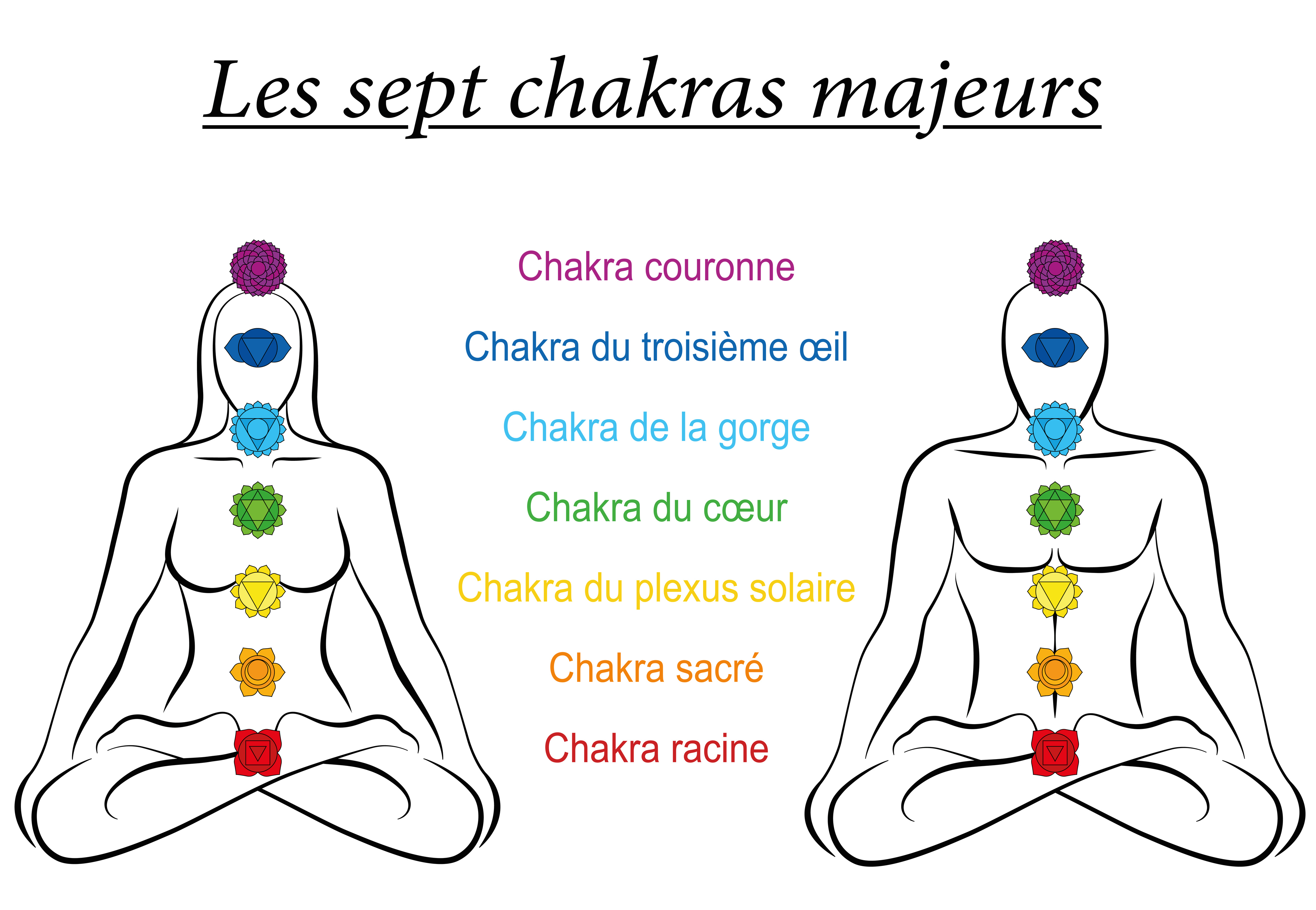
Emerald encourages the opening of the heart chakra and helps harmonize it. This has a calming effect on emotions. It is a stone of unconditional love and, placed on the heart, it develops romantic or friendly feelings. It encourages openness to others, sharing and loyalty. It strengthens courage and the strength to face negative emotions.
Care, cleansing and recharging of emerald
Emerald is a precious stone that needs regular care. As soon as it arrives in your home, you should cleanse and then recharge your emerald. From the moment it is mined until it reaches your home, the stone has been in contact with many energies, positive or negative. The following steps should be carried out at least once a month or after intensive use.
Run your emerald under tap water with a little soap. Gently scrub it with a toothbrush to remove all impurities. Dry it with a soft cloth. You can also cleanse it with incense, but avoid using a Tibetan singing bowl.
Recharge it in the morning sun for about 2 hours or place it on an amethyst geode or on a quartz cluster for 24 hours.